Garden Tools
How to Increase Garden Hose Water Pressure Fast and Effectively
Learn how to increase garden hose water pressure with easy fixes and upgrades for stronger flow using high-quality hoses and booster pumps.
Read More
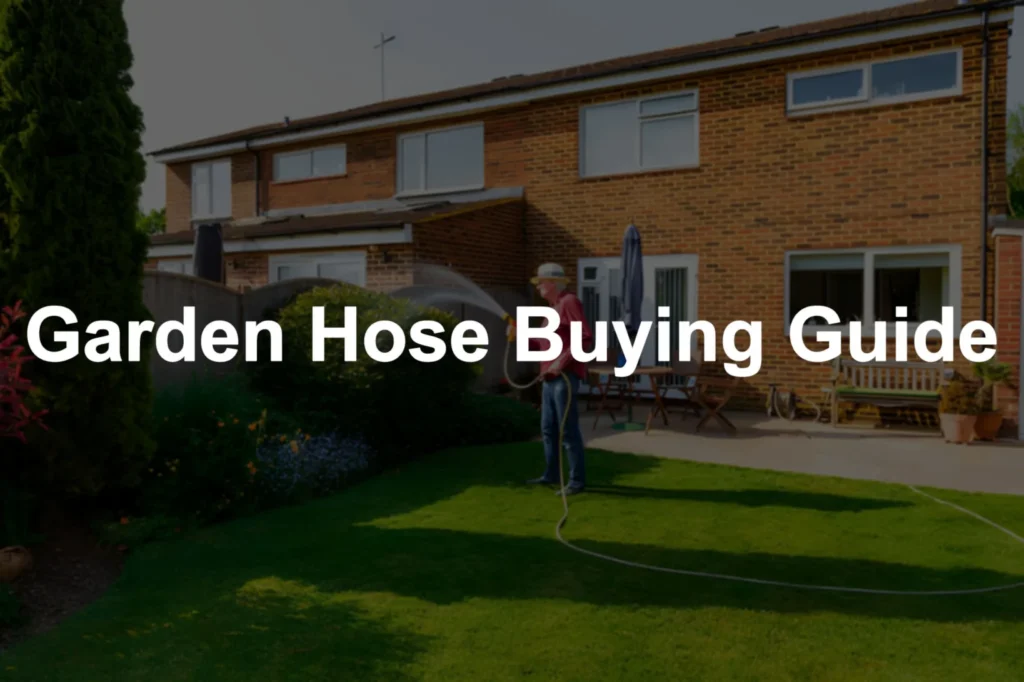
A high-quality garden hose facilitates precise water delivery to vegetation and arboreal elements, supporting sustained landscape hydration.
This guide outlines optimal garden hose thread dimensions and configurations for turf and horticultural applications.
Garden hoses are available in diverse configurations, pigmentation options, and dimensional profiles. Certain models incorporate kink-resistant properties or microbial protection mechanisms.
QiyiTool ‘s provides garden hoses engineered for enhanced durability and adaptability across applications. Select variants include integrated water-flow control valves, enabling flow cessation and seamless nozzle interchange.
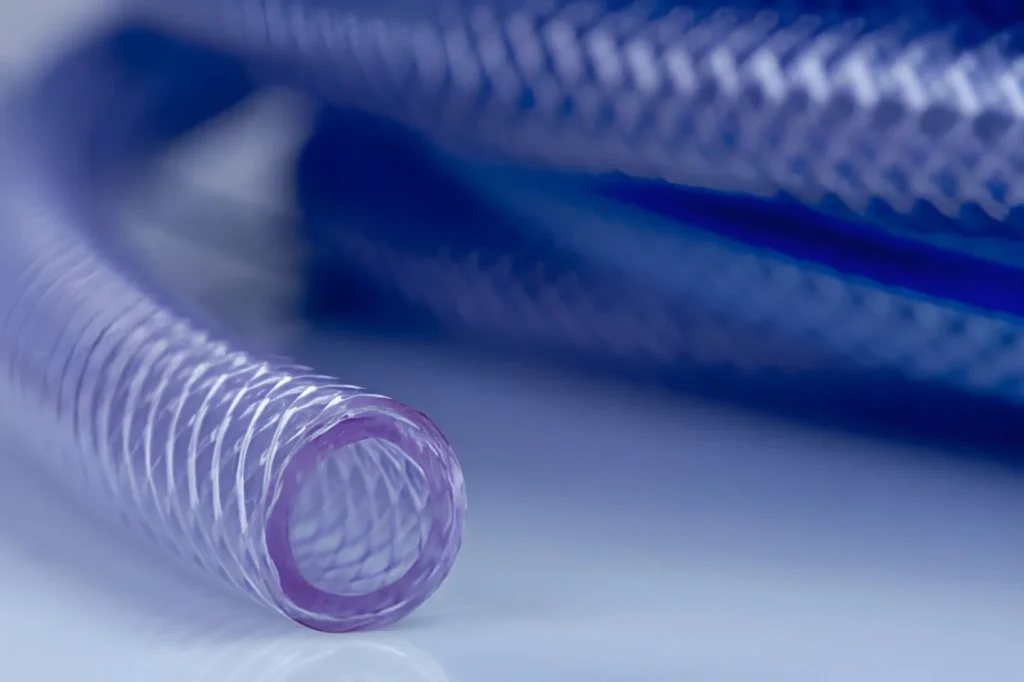
Garden hoses are fabricated from multiple material compositions. Evaluation of these variants enables selection of the best garden hose aligned with operational requirements.
A vinyl garden hose represents a cost-effective solution with reduced mass, facilitating straightforward manipulation. Inferior-grade vinyl variants exhibit limited longevity, necessitating procurement of superior formulations.
Premium vinyl hoses feature kink-resistant construction and substantially greater endurance relative to economy models. Compared to rubber hoses, they demonstrate reduced susceptibility to kinking yet exhibit lower flexibility.
Rubber hoses, often termed rubber garden hoses, are recognized for their robust durability and elastic properties.
These attributes enable efficient navigation around landscaped and infrastructural zones. Although exceeding vinyl hoses in mass, rubber garden hoses maintain maneuverability through inherent flexibility.
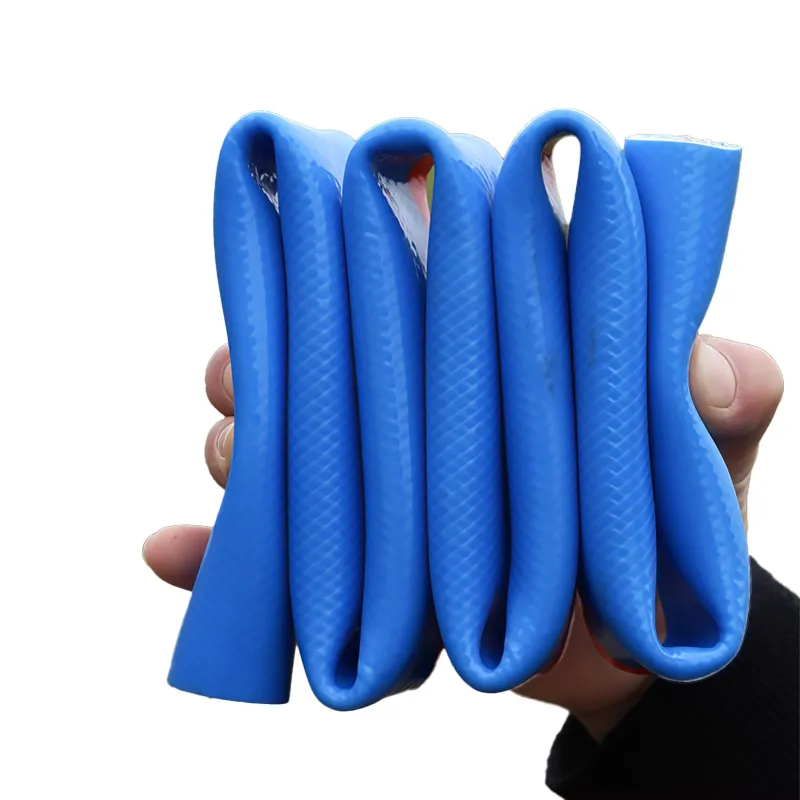
Plastic hoses, akin to PVC water hoses, receive less recognition than vinyl or rubber equivalents, yet provide distinct advantages. They are typically economical, pliable, and potable-water compatible.
Reinforced iterations deliver heavy-duty performance with kink-resistant characteristics. Applications frequently include recreational vehicles (RVs) and marine vessels.
Vinyl and vinyl-reinforced hoses offer affordability, minimal weight, and simplified handling. Rubber hoses, including those reinforced with rubber, possess greater mass and superior durability.
Reinforced constructions exhibit enhanced thermal stability, reducing propensity for kinking or rupture.
Beyond standard rubber or vinyl garden hoses, specialized variants are engineered for targeted functions. The following delineates prevalent hose categories for selection.
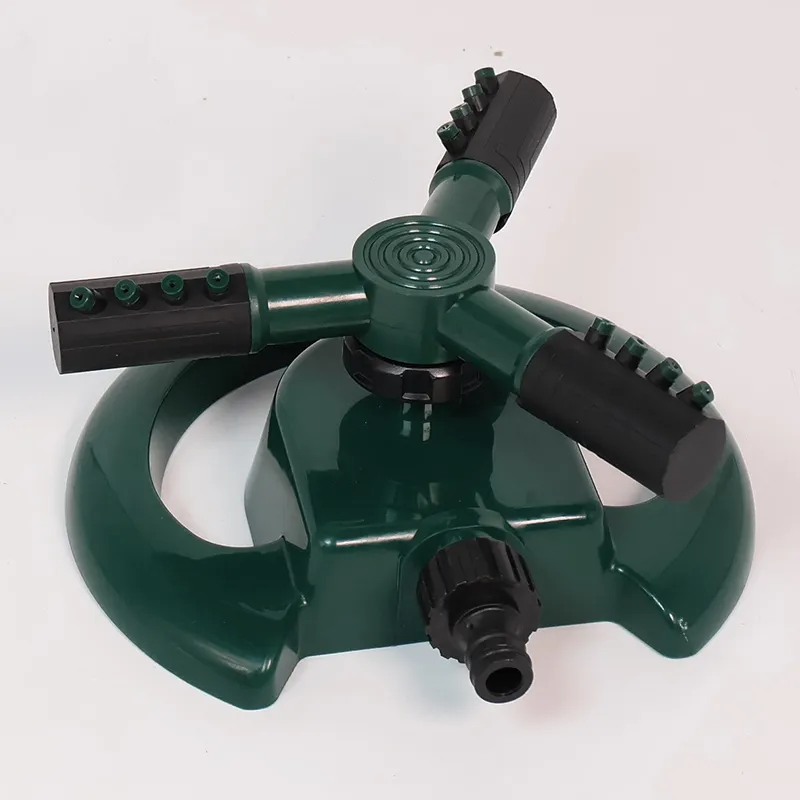
Sprinkler hoses are configured for terrestrial deployment, featuring unilateral perforations for upward aerosol dispersion. Sprinkler hoses streamline operations by potentially obviating discrete sprinkler fixtures.
A soaker hose employs porous construction, suitable for submersion beneath mulch layers. It dispenses minimal water volumes directly to root zones in gardens or floral beds, minimizing dissipation.
A soaker hose enables profound hydration penetration. (Note: Original appears truncated; rewrite assumes completion based on context.)
Commercial hoses are engineered for elevated-temperature fluids and sustained heavy-duty operation.
Standard garden hoses must interface solely with ambient-temperature water; thermal applications require hoses explicitly rated for such conditions.
Conventional perception associates garden hoses with green pigmentation.
However, formulations extend to multiple hues, with prevalent options encompassing white, black, blue, red, and yellow. Non-standard variants, such as purple, pink, and silver, are also available.
Ply
A ply denotes a singular material stratum. Increased ply count correlates with elevated structural integrity in the garden hose. Domestic models range from one to six plies, frequently incorporating interstitial mesh reinforcement.
Popular Hose Sizes
Selection of the best garden hose mandates consideration of dimensional specifications. Configurations vary in length and internal diameter. Key sizing parameters are outlined below for procurement decisions.
Prevalent garden hose lengths span 25 to 100 feet, with additional dimensions accessible.
Hydraulic pressure declines proportionally with extended lengths; thus, procure a dimension sufficient for target reach without excess.
For intermittent extended requirements, interconnect multiple shorter segments.
Internal threaded fitting diameter defines thread size. Garden hose diameters typically include 3/8 inch, 1/2 inch, and 3/4 inch.
Greater diameters yield increased volumetric flow rates. The standard garden hose thread size measures 3/4 inch.
The coupling interfaces the garden hose with the water source. Primary material options comprise metallic (predominantly brass) and polymeric variants.
Brass couplings offer superior durability over plastic but demand greater torque for spigot attachment, posing challenges for reduced grip strength.
Ergonomic plastic couplings facilitate manual tightening. Reinforcement proximate to the coupling mitigates kinking at the inlet.
Nozzles are produced in assorted designs. Spray-pattern variants accommodate diverse operational tasks. Rotational adjustment of the control enables pattern reconfiguration for specific decontamination protocols.
Pistol-grip and twist mechanisms deliver variable dispersion for precise irrigation of sensitive flora. Jet-spray nozzles suit abrasive cleaning applications. Industrial or firefighter-configured nozzles are recommended for rigorous, high-intensity duties.
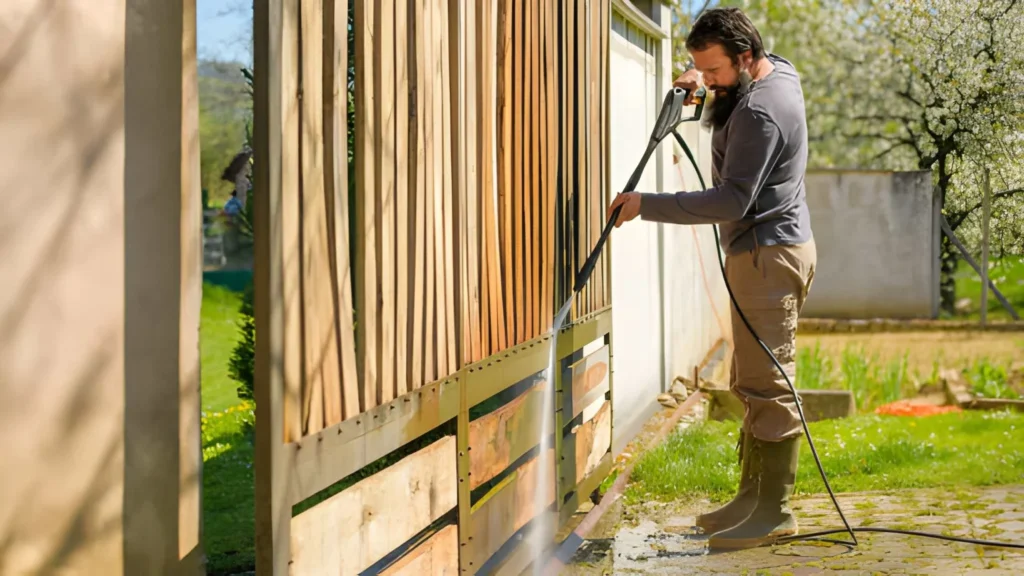
Tip:For integration with pressure washers, consult manufacturer specifications regarding permissible hose lengths. Subject to inlet pressure, a 50-foot maximum is typically advised.
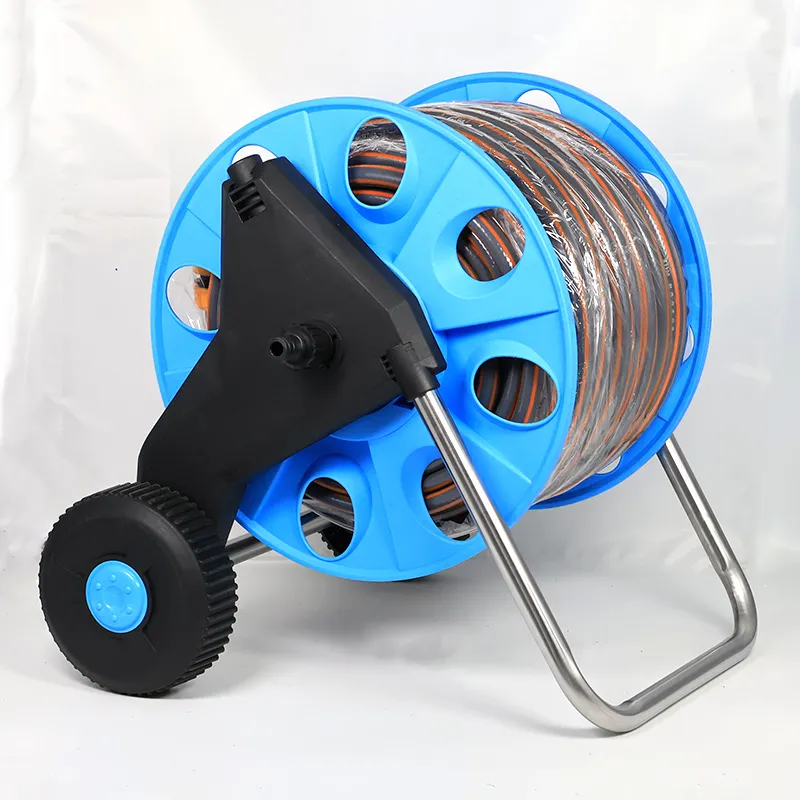
A hose reel extends garden hose service life by shielding against ultraviolet exposure and environmental stressors. Such devices mitigate hazards including entanglement or mechanical damage from mowing equipment.
Configurations range from portable units to wall-mounted assemblies, balancing utility with aesthetic integration. (Note: Original repeats this section; rewrite consolidates for clarity while preserving content.)
Garden hoses encompass an array of typologies and form factors. Optimal selection of the best garden hose hinges on critical parameters: required configuration (e.g., standard, coiled, expandable), coverage extent, usage frequency, and fiscal constraints.
Procurement options include qiyitools.com or in-person consultation at a QiyiTool’s, where associates provide expert guidance.
Learn how to increase garden hose water pressure with easy fixes and upgrades for stronger flow using high-quality hoses and booster pumps.
Read More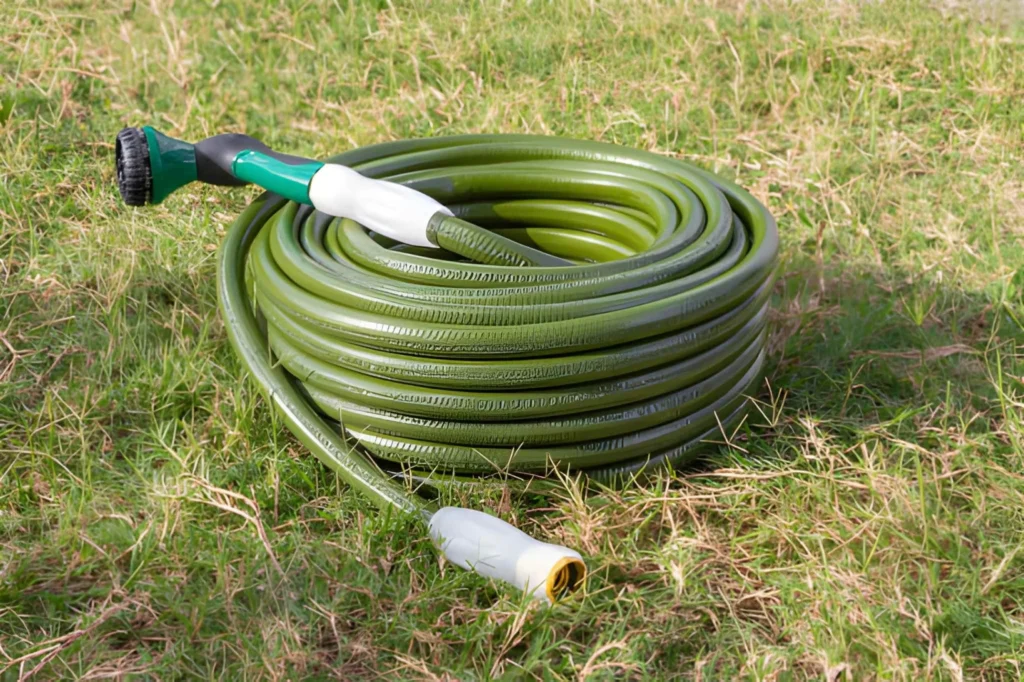
Discover durable heavy duty PVC garden hoses with reinforced braided design high burst pressure and kink-resistant flexibility for all your watering needs
Read More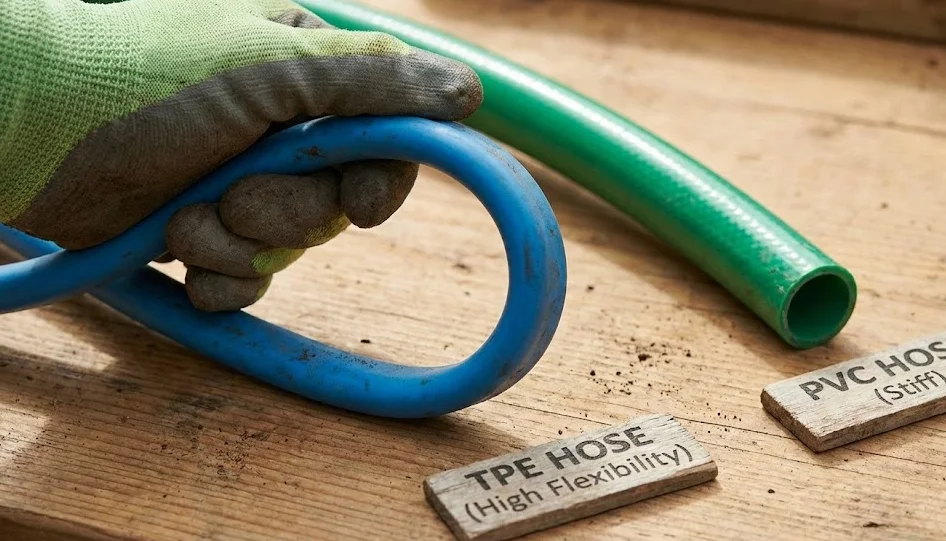
Table of Contents Choosing the right garden hose material is one of those decisions that seems small at first but has a huge impact on how easy your watering tasks feel over the next few years. PVC, rubber, and TPE each behave differently in terms of flexibility, weight, durability, and safety, which means the “best” […]
Read More