Achieving a perfectly green, healthy lawn requires consistent and even watering across every inch of your yard. A rotary sprinkler offers the ideal solution for homeowners seeking efficient, circular coverage without manual intervention. These automatic irrigation devices rotate continuously, distributing water in a 360-degree pattern that eliminates dry spots and reduces water waste. Whether you’re maintaining a small residential lawn or managing a larger garden space, understanding how rotary sprinklers work can transform your watering routine and improve plant health significantly.
What Makes Rotary Sprinklers Different
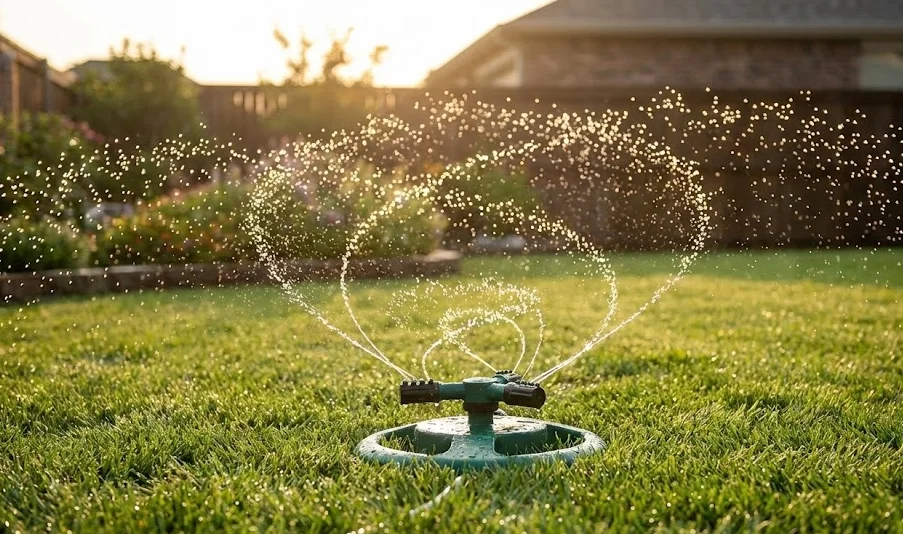
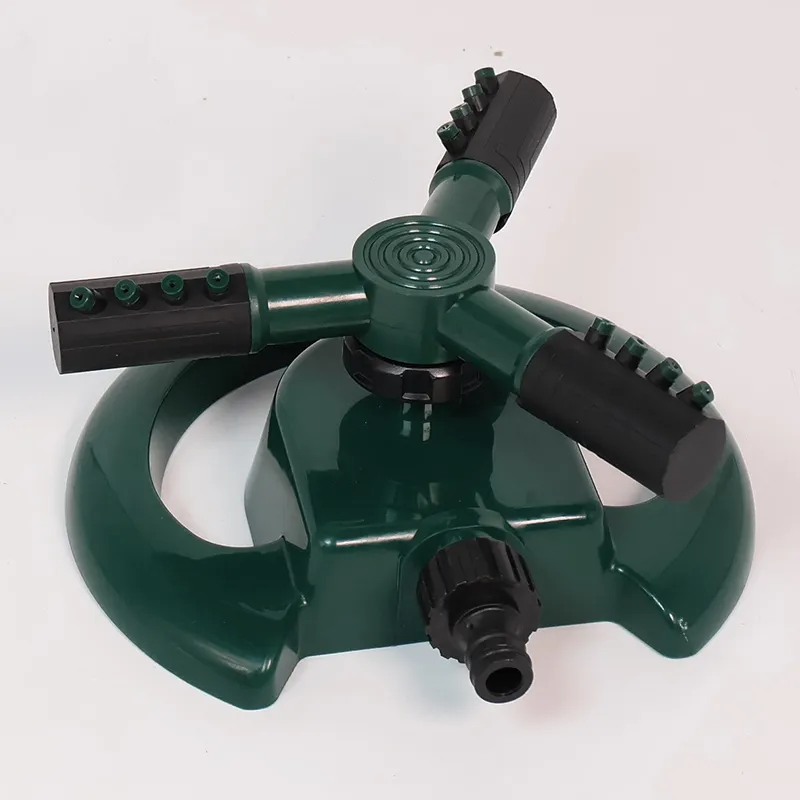
Rotary sprinklers stand apart from traditional stationary models through their mechanical rotation mechanism. Unlike fixed spray patterns, a 360 degree sprinkler uses water pressure to drive internal gears that slowly turn the sprinkler head, creating comprehensive circular coverage. The Green Disc Base Sprinkler 360 Rotary Garden Irrigation exemplifies this design, featuring a stable disc base that prevents tipping while delivering consistent water distribution.
This rotating action ensures that water reaches all areas within the sprinkler’s radius, typically covering 15-40 feet depending on water pressure and nozzle configuration. The multi-stream technology creates rotating streams of water that penetrate the air effectively, even in moderately windy conditions. This design provides superior coverage compared to misting spray heads, which often lose water to evaporation before it reaches the ground.
The slow, steady rotation of these sprinklers also contributes to better soil absorption. Rather than dumping large amounts of water in one spot, a rotary sprinkler applies water gradually as it rotates, giving the soil time to absorb moisture without runoff. This is particularly beneficial for clay soils or sloped landscapes where water tends to run off rather than soak in.
Installation Options: Spike vs. Disc Base
When selecting a rotary sprinkler for lawn irrigation, you’ll encounter two primary mounting styles, each with distinct advantages. Spike sprinklers feature a pointed stake that pushes directly into soil, making them ideal for soft ground and temporary setups. The Yellow Spike Sprinkler For Garden Irrigation provides excellent portability for spot watering specific lawn sections or garden beds.
Spike models excel in areas where you need to position the sprinkler at ground level within the lawn itself. The stake design keeps the sprinkler stable even when water pressure creates rotational force. However, spike sprinklers can be challenging to install in hard, compacted soil or areas with rocky ground conditions.
Conversely, disc base sprinklers sit flat on any surface—lawn, patio, driveway, or deck—offering greater stability and versatility. This design prevents the sprinkler from falling over on hard surfaces or during high water pressure operation. The Blue Disc Base Sprinkler Garden Lawn Watering Tool demonstrates how a weighted base provides balance while allowing easy repositioning around your property.
Disc base models are particularly useful for renters or homeowners who prefer non-permanent irrigation solutions. You can move them easily across different lawn zones throughout the season, adapting your watering pattern as plants grow or weather conditions change. The flat base also prevents damage to sprinkler heads during storage since there’s no protruding spike to bend or break.
Water Efficiency and Conservation Benefits
One of the most compelling reasons to choose a rotary sprinkler over traditional spray heads is water conservation. Studies by irrigation professionals show that rotary nozzles and sprinklers can reduce water usage by 20-30% compared to conventional spray nozzles. This efficiency comes from multiple design features working together.
First, the lower precipitation rate means water is applied slowly enough for soil absorption. While a standard spray head might deliver 1.5 to 2 inches of water per hour, rotary sprinklers typically apply between 0.5 and 1 inch per hour. This slower rate prevents runoff on slopes and gives water time to penetrate deeper into the root zone, encouraging plants to develop deeper, more drought-resistant root systems.
Second, the rotating stream design minimizes water loss to wind and evaporation. Rather than creating a fine mist that drifts away or evaporates, rotary sprinklers produce defined water streams that stay on target. This becomes especially important during hot summer months when every drop of water counts toward maintaining lawn health.
Third, the even coverage pattern eliminates the common problem of overwatering some areas while underwatering others. This uniform distribution means you don’t need to run your sprinkler longer to compensate for dry spots, further reducing total water consumption. Over time, these savings add up significantly on water bills while supporting environmental conservation efforts.
Optimizing Water Coverage and Pressure
Effective lawn coverage depends on matching your rotary sprinkler to your water supply characteristics. Most residential systems operate between 40-60 PSI, which drives the rotation speed and spray distance. Higher pressure creates larger coverage circles but may also cause faster rotation that could lead to uneven watering if the sprinkler moves too quickly.
For larger properties requiring multiple sprinklers, consider pairing your system with a Four Way Valve Diverter to create multiple irrigation zones. This accessory allows simultaneous watering of different lawn sections while maintaining adequate pressure at each sprinkler head. Zone irrigation proves particularly useful for properties with varying sun exposure or soil types that require different watering schedules.
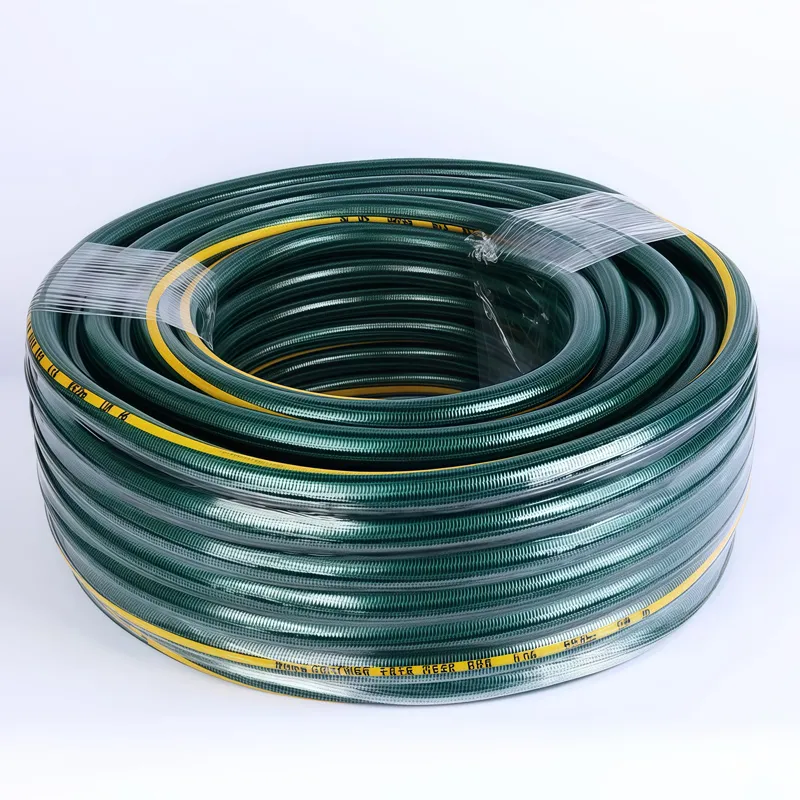
Connect your rotary sprinkler using quality garden hoses like the Blue Tpe Garden Hose Lightweight Anti Kink For Household Use to prevent flow restrictions. Kinked or damaged hoses reduce water pressure, which diminishes the sprinkler’s effective coverage radius and rotation speed. Anti-kink hose materials maintain consistent water flow even when the hose bends around corners or yard obstacles.
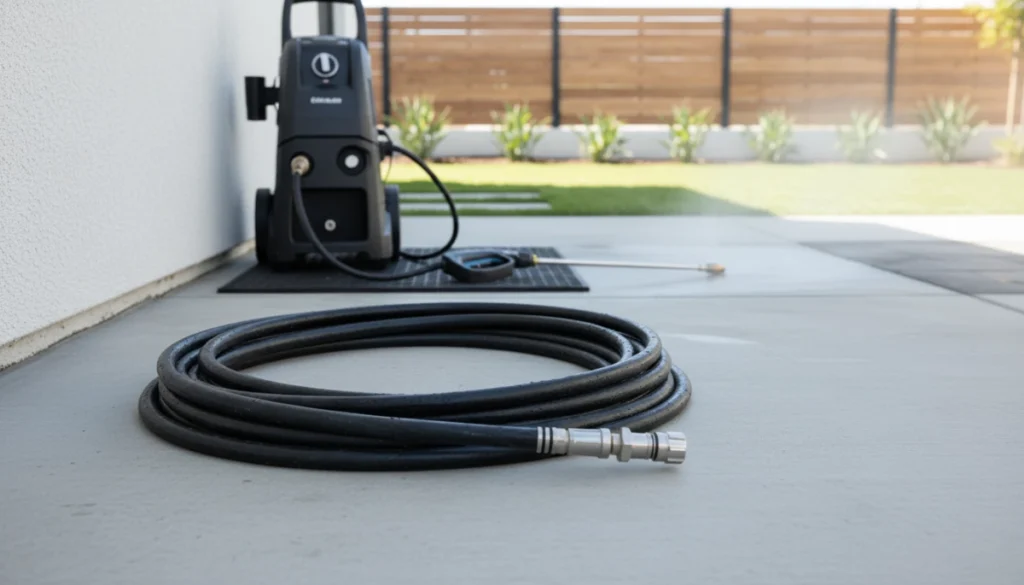
For winter climates, pair your irrigation setup with cold-resistant equipment like the Household High Pressure Antifreeze Garden Hose to extend your watering season safely into cooler months without risk of freeze damage.
Maintenance Tips for Long-Term Performance
Regular maintenance extends the lifespan of your rotary sprinkler and ensures consistent performance season after season. After each watering session, inspect the sprinkler for any debris caught in the nozzle openings. Grass clippings, dirt, and mineral deposits can accumulate and block water passages, reducing coverage effectiveness.
At least once per month during active use, flush the sprinkler by running clean water through it to remove sediment buildup. If you notice reduced rotation speed or uneven spray patterns, this often indicates partial clogging that requires attention. Disassemble the sprinkler head according to manufacturer instructions and soak components in white vinegar to dissolve mineral deposits from hard water.
Inspect the rotating mechanism for debris that might impede smooth rotation. Small pebbles, mulch fragments, or insects can occasionally enter the gear chamber and cause grinding or stopping. Lubricate moving parts with silicone-based lubricant if recommended by the manufacturer, but avoid petroleum-based products that can degrade plastic components.
During winter months in cold climates, proper storage prevents costly damage. Drain all water from the sprinkler by turning it upside down and shaking gently. Store sprinklers indoors in a garage or shed where temperatures stay above freezing. This simple step prevents ice expansion from cracking plastic housings or damaging internal gears.
Clean filter screens regularly if your sprinkler includes built-in filtration. These screens trap debris before it enters the rotation mechanism, but they need periodic cleaning to maintain optimal water flow and pressure. Remove the screen, rinse under running water, and use an old toothbrush to scrub away stubborn particles.
Choosing Between Adjustable and Fixed Models
Modern rotary sprinklers offer varying degrees of adjustability to suit different landscape shapes and watering needs. Fixed 360-degree models provide uniform circular coverage perfect for open lawn areas without obstacles. These work exceptionally well for central lawn positions where full circular coverage waters grass evenly in all directions.
For irregularly shaped yards or spaces with garden beds, driveways, or buildings along the perimeter, consider adjustable rotary sprinklers that allow you to limit the rotation arc. Many models offer settings for 90, 180, or 270-degree coverage, preventing water waste on non-landscaped areas like sidewalks or streets.
Adjustable radius controls let you fine-tune the throw distance, making a single sprinkler model adaptable to different positions around your property. This feature proves valuable as plants mature and their watering needs change. Young lawns might need closer, gentler coverage, while established turf benefits from wider, more powerful streams.
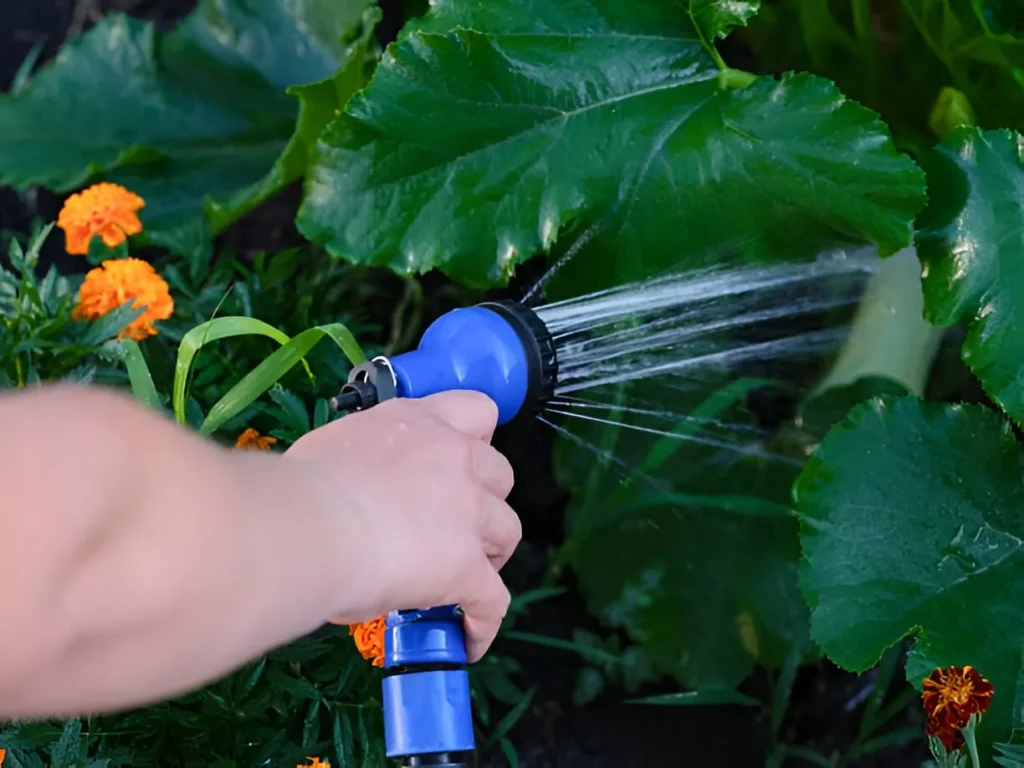
Pair adjustable rotary models with precision watering tools like the Multifunctional Water Gun for spot treatment of flower beds and container plants. This combination ensures efficient water use across both large lawn expanses and delicate planting areas that need gentle, controlled watering.
Rotary Sprinklers vs. Other Irrigation Methods
Understanding how rotary sprinklers compare to other common irrigation types helps you make informed decisions for your landscape. Oscillating sprinklers move back and forth, creating rectangular coverage patterns ideal for narrow lawn strips or rectangular yards. However, they typically use more water and create less uniform coverage than rotary models.
Impact sprinklers deliver powerful jets suitable for very large properties but can be noisy and may damage delicate plants with their forceful streams. Stationary spray sprinklers work well for small areas but lack the efficiency and coverage range of rotating designs.
For professional landscaping or commercial applications, consider heavy-duty options like those found in commercial-grade product lines. The Grass Green Pvc Garden Hose Ideal For Landscaping Lawn Care connects seamlessly with professional irrigation setups while maintaining residential-friendly aesthetics.
Planning Your Lawn Irrigation Strategy
Successful lawn watering depends on more than just choosing the right sprinkler. Consider your lawn’s size, shape, and specific water requirements when planning irrigation coverage. Measure your yard’s dimensions to calculate how many sprinklers you need for complete coverage without gaps or excessive overlap.
Water in the early morning hours when temperatures are cooler and winds are calmer. This timing reduces evaporation loss and gives grass blades time to dry before evening, minimizing disease risk. Aim for 1-1.5 inches of total water per week, including rainfall, adjusting based on temperature and grass type.
Use a simple rain gauge or straight-sided container placed within the sprinkler’s coverage area to measure actual water application. This helps you determine how long to run the sprinkler for optimal results. Most lawns benefit from deep, infrequent watering rather than shallow daily sessions, as this encourages deeper root growth.
Conclusion
A quality rotary sprinkler transforms lawn maintenance from a time-consuming chore into an efficient, automated process. With 360-degree coverage, water-saving design, and options for every yard size and shape, these irrigation tools deliver professional results for homeowners at every skill level. By selecting the right mounting style, maintaining your equipment properly, and optimizing water pressure, you’ll enjoy a lush, healthy lawn while conserving water and reducing maintenance time throughout the growing season.
Dissecting the Hose: What is Inside Matters A pressure washing hose is a composite tool engineered to withstand extreme hydraulic stress, not just a simple rubber tube. At our factory, we approach hose construction as a precise science, ensuring every layer contributes to the overall structural integrity and ISO9001 compliance. We understand that for industrial applications, the […]
High-Pressure vs. Low-Pressure: Picking Your Power When sourcing or manufacturing a Car wash spray gun, the first variable we analyze is the power source. There is a massive engineering difference between a tool designed for a municipal water tap and one built for an industrial pressure pump. As a factory-direct supplier, we see buyers frequently confuse […]
We use cookies to enhance your browsing experience, serve personalised ads or content, and analyse our traffic. By clicking "Accept All", you consent to our use of cookies.