Have you ever found yourself struggling to connect your garden hose to PVC pipes?
You’re not alone. Many homeowners and DIY enthusiasts face this common challenge when setting up irrigation systems, water pumps, or outdoor projects. The good news?
APVC to water hose adapter is your game-changer, and it’s far simpler than you might think. Whether you’re installing a drip irrigation system in your backyard or running water lines for an outdoor shower, understanding how to properly connect PVC to water hose fittings can save you time, money, and frustration.
In this guide, we’ll walk you through everything you need to know about these versatile adapters, from choosing the right one for your needs to installation tips that ensure a leak-free connection.
Let’s dive in and discover how this small but mighty solution can transform your water management projects.
Understanding PVC to Water Hose Adapters
What exactly is a PVC to water hose adapter? Think of it as a translator between two different connection systems. On one end, you have PVC pipe with its specific threading, and on the other, you have standard garden hose threads. An adapter bridges this gap, allowing water to flow seamlessly from one to the other
These adapters come in various sizes and configurations, but the most common options include slip fittings for ½-inch PVC pipe and connections for standard ¾-inch garden hose threads. The beauty of these adapters is their versatility. They work with both male hose thread (MHT) and female hose thread (FHT) configurations, meaning you have flexibility in how you set up your system. Most adapters feature durable PVC construction designed to withstand regular wear and tear, making them perfect for long-term outdoor applications.youtube
The typical PVC hose adapter uses a slip-by design that allows you to slide it over unthreaded PVC pipe ends, then secure it with PVC cement. This creates a permanent, leak-resistant joint that performs reliably year after year. Some adapters also come equipped with swivel connections that make installation easier and reduce stress on your pipes during setup. For most residential applications, these adapters cost around five dollars, making them an economical solution for connecting different water systems without requiring expensive professional plumbing services.
Adapter Type
PVC Size
Hose Size
Best For
Thread Type
Standard Slip Adapter
½” SLIP
¾” Hose
Garden irrigation
MHT or FHT
Threaded Adapter
½” MIPS
¾” Hose
Various applications
Female hose threads
Swivel Adapter
½” SLIP
¾” Hose
Easy installation
Rotating MHT
Why You Need a PVC to Water Hose Adapter
Let’s be honest: connecting different plumbing systems sounds complicated. But here’s where things get practical. When you’re working on irrigation systems, water pumps, or DIY plumbing projects, you often need to work with what you have on hand. Your PVC pipe might be part of an existing system, while your garden hose is the convenient watering solution. Without a proper PVC to garden hose adapter, you’re stuck either buying entirely new materials or attempting risky, leak-prone workarounds.
A quality water hose to PVC connector ensures several critical benefits. First, you get a secure, leak-free seal that actually holds. Many adapters come with hose washers that create a watertight connection, preventing the frustrating drips and leaks that waste water and damage your yard. Second, you save money. Instead of replacing entire sections of pipe or hose, you invest in an inexpensive adapter that does the job perfectly. Third, installation becomes straightforward enough for any homeowner to handle without calling a plumber. These adapters are designed for quick installation, allowing you to connect different garden hose types to various pipe systems without professional help. The result? You get back to your project instead of spending hours troubleshooting connection problems.
Types of PVC to Water Hose Connections
Not all adapters are created equal, and understanding your options helps you choose the right one for your specific needs. The main distinction comes down to threading styles and connection methods, each suited for different applications.
Male Hose Thread (MHT) Adapters feature male threading on the hose end, meaning the adapter threads directly into female fittings or hose connectors. These work beautifully when you’re connecting to fixtures like faucets or other female threaded connections. They’re straightforward to install and provide excellent swivel action, making them ideal for preventing hose kinks and reducing stress on pipe joints during tightening.youtube
Female Hose Thread (FHT) Adapters have female threading that accepts standard male garden hose connectors. These adapters let you attach a regular garden hose directly to the PVC section of your system. They’re perfect when you want the flexibility to connect and disconnect your hose frequently without disturbing the permanent PVC installation.youtube
Slip Fittings represent another crucial option. With a slip-by design, these adapters slide directly over the end of unthreaded PVC pipe and secure using PVC cement. This creates a permanent bond between the adapter and pipe, making it ideal for fixed installations where you won’t need to disconnect components regularly.
The variety means you can find the perfect match for your exact setup, whether you’re building from scratch or adapting an existing system. Consider your specific application, the size of your pipes and hoses, and whether you’ll need to disconnect components frequently when selecting your adapter type.
Installation Guide: How to Connect PVC to Water Hose
Ready to make the connection? Let’s walk through the process step-by-step so you can complete this project with confidence.
For Slip Fittings with PVC Cement:
First, gather your materials: your PVC to water hose adapter, PVC cement, a brush for applying cement, your PVC pipe, and optionally, primer (check your cement’s instructions). Start by ensuring both surfaces are clean and dry—this is crucial for a strong bond. Cut your PVC pipe straight using a saw, creating a clean, squared-off end.youtube
Apply PVC primer to both the inside of the adapter and the outside of the pipe end, following the cement manufacturer’s instructions carefully. The primer prepares the surfaces for bonding. Next, apply a generous layer of PVC cement using the brush provided. Work quickly but carefully, inserting the adapter over the pipe end with a slight twisting motion. Hold everything in place for the time specified on your cement (usually 30 seconds to a minute). After this initial set, allow the full cure time—typically several hours—before running any water through the system. This patience ensures a leak-proof connection that lasts for years.youtube
For Threaded Adapters:
Installation becomes even simpler with threaded adapters. Hand-tighten the adapter to your female threaded fitting, then use a wrench to snug it down. Don’t over-tighten; you’ll crush the sealing washer and potentially crack plastic components. The connection should be snug but not strained. Some adapters feature swivel nuts that rotate freely, allowing you to angle the hose connection without twisting the PVC itself. This prevents kinks and stress on your carefully laid pipes.
Best Uses for PVC to Water Hose Adapters
Where do these adapters shine in real-world applications? The possibilities are more extensive than you might initially think.
Garden Irrigation Systems: This is perhaps the most popular application. Imagine a setup where your main water lines are PVC running underground or along your fence, then branching off to different garden zones. PVC to water hose adapters let you connect standard garden hoses to these permanent lines, giving you flexibility in where and how you water your plants. You can move hoses seasonally, add new zones without rerouting pipes, or quickly disconnect everything when winter arrives.
Outdoor Water Pumps: Many people install dedicated pumps for wells, ponds, or water storage tanks. These pumps typically have threaded hose connections, but your intake or discharge lines might be PVC for durability. An adapter bridges this gap perfectly, creating a hybrid system that combines the strength of PVC piping with the flexibility of hose connections.
DIY Outdoor Showers and Water Features: Building a backyard oasis? PVC to hose adapters are essential. Run PVC lines from your main water source to the shower location, then use adapters to connect to the showerhead or water distribution system. The permanent PVC handles the long-distance water delivery, while the adapter and hose manage the final connections to your fixture.youtube
Temporary Construction Projects: Need temporary water access on a job site? Build your main distribution using PVC for durability, then use adapters and hoses for the flexible final connections. When the project ends, remove the hoses and adapters, leaving a clean PVC system behind.
Choosing the Right Size and Specifications
Getting the right PVC hose adapter size matters more than you might realize. Choosing poorly leads to poor flow, leaks, or incompatible connections that won’t work at all.
The most common residential size is ½-inch PVC pipe connecting to ¾-inch garden hose threads. This combination handles typical household water flow for gardens and outdoor projects without oversizing your system. However, some larger applications use ¾-inch PVC, and you’ll find adapters to match these dimensions too.youtube
Before purchasing, identify the size of your existing PVC pipe (measure the outside diameter) and your garden hose connection type. Standard garden hoses use ¾-inch female hose threads (FHT). Check whether you need male or female hose threads based on your existing fittings. Don’t guess—measure twice, order once. Most suppliers, both online and at big-box home improvement stores, clearly label adapter sizes and thread types, making selection straightforward once you know what you’re looking for.
Installation Tips for Success
Beyond basic installation steps, a few pro tips can make your experience even smoother and ensure maximum longevity from your PVC to water hose connection.
Use the Right Wrench Size: When tightening threaded adapters, use an appropriately sized wrench. This prevents stripping threads or cracking the plastic fitting. If you don’t have the exact size, a small adjustable wrench works fine—just be gentle.
Let PVC Cement Fully Cure: This bears repeating because impatience causes most PVC connection failures. Even if the initial set feels solid, internal bonding continues for hours or even days. Some manufacturers recommend waiting 24 hours before pressurizing the system. Follow these guidelines for maximum durability.
Inspect Before Installation: Check your adapter for cracks, threads damage, or manufacturing defects before use. A five-dollar problem solved before installation beats discovering a leak after your system runs for the first time.
Use Hose Washers: These rubber rings prevent leaks at threaded connections. They come with most quality adapters, but if yours don’t include one, pick up extras at any hardware store. They’re so inexpensive that using them is a no-brainer.
Protect from Extreme UV Exposure: While PVC handles sunlight reasonably well, extended direct UV exposure degrades plastic over time. If your adapter and connections sit in full sun year-round, consider painting them with UV-protective coating or running them through protective conduit. This extends adapter lifespan significantly.
Troubleshooting Common Issues
Even with proper installation, occasional issues arise. Here’s how to handle the most common problems you might encounter.
Leaking Connections: If water drips where the adapter meets your PVC pipe, the PVC cement bond might be incomplete. First, try tightening (gently) if it’s a threaded connection. If it’s a cemented joint, you may need to cut out the adapter and reinstall it properly, ensuring you use enough cement and allow proper cure time. For persistent leaks at threaded connections, the hose washer might be torn or compressed. Replace it with a new one.
Poor Water Flow: Restricted flow often indicates a clogged adapter. This happens more in systems drawing water from questionable sources. Disassemble the adapter (if it’s removable) and rinse it out. For cemented adapters, check if sediment has accumulated inside the hose connection. A simple flush sometimes solves this.
Tight or Stuck Connections: Garden hose connections can seize over time, especially if calcium deposits build up. Before forcing anything, try soaking the connection area with water or a diluted vinegar solution. Apply gentle twisting pressure while working the hose back and forth. If truly stuck, professional plumbing tools can help, but patience often works just as well.
Recommended Products and Where to Find Them
Finding quality PVC to water hose adapters is easier than ever. Major home improvement stores stock them in both plumbing and irrigation sections (so check both if you’re browsing in person). Online retailers offer even wider selection, often with customer reviews helping you identify the most reliable options. Look for adapters from established manufacturers known for quality plumbing products.youtube
When shopping, compare not just price but also what’s included—some adapters come with hose washers and gaskets, while others require separate purchases. The few extra dollars for a complete package often save frustration during installation. Check customer reviews specifically mentioning water-tightness and durability, as these indicate real-world performance beyond specifications.
Conclusion
Connecting your garden hose to PVC pipes doesn’t have to be a frustrating DIY nightmare. With the right PVC to water hose adapter, proper installation techniques, and a little patience, you’ll have a professional-quality connection that handles your outdoor water needs reliably for years.
Whether you’re building your first irrigation system, upgrading an existing setup, or tackling a creative outdoor project, these versatile adapters provide the bridge between different plumbing systems that makes everything possible. The investment is minimal, the installation is straightforward, and the benefits are substantial. Stop struggling with incompatible connections and start enjoying the seamless water flow you deserve.
Your next outdoor project is waiting—and now you know exactly how to make it work. Ready to upgrade your water system? Explore quality PVC to water hose adapters today and transform how you manage water flow around your property.
FAQ: Your PVC to Water Hose Questions Answered
What’s the difference between male and female hose thread adapters?
Male hose threads (MHT) screw into female connections, while female hose threads (FHT) accept standard male garden hose connectors. Choose based on what you’re connecting to—identify whether your existing fitting is male or female, then select the opposite on your adapter.
Can I use an adapter with my existing PVC system without replacing pipe?
Absolutely. Adapters are specifically designed for exactly this purpose. Slip-fitting adapters cement directly to your existing PVC, creating a permanent but non-invasive modification. You don’t need to replace anything—just add the adapter where needed.
How tight should I tighten a threaded adapter?
Tighten just enough to stop water leaks—firm but not strained. Over-tightening crushes hose washers and can crack plastic components. If water still leaks after gentle tightening, try replacing the washer rather than tightening further.
How long does PVC cement take to cure?
Initial set takes 30 seconds to one minute, but most manufacturers recommend waiting at least several hours before running water through the system. For permanent installations handling water pressure, waiting overnight ensures maximum bond strength.
What happens if my adapter size doesn’t match my pipes?
Water will leak, refuse to flow, or create unsafe pressure situations. Always measure your PVC pipe diameter (typically ½” or ¾”) and confirm your garden hose threads (usually ¾” FHT) before purchasing.
Can I use these adapters for hot water?
Most standard PVC adapters are rated for cold water only. Check your adapter’s specifications, as some premium models handle warm water (up to 140°F) but not hot. For hot applications, you’ll need specialized adapters designed for temperature resistance.
Are these adapters durable for permanent outdoor installations?
Yes, quality PVC adapters withstand years of outdoor exposure. Choose adapters from reputable manufacturers and use proper installation techniques. With these factors in place, your adapter will outlast many other components in your system.
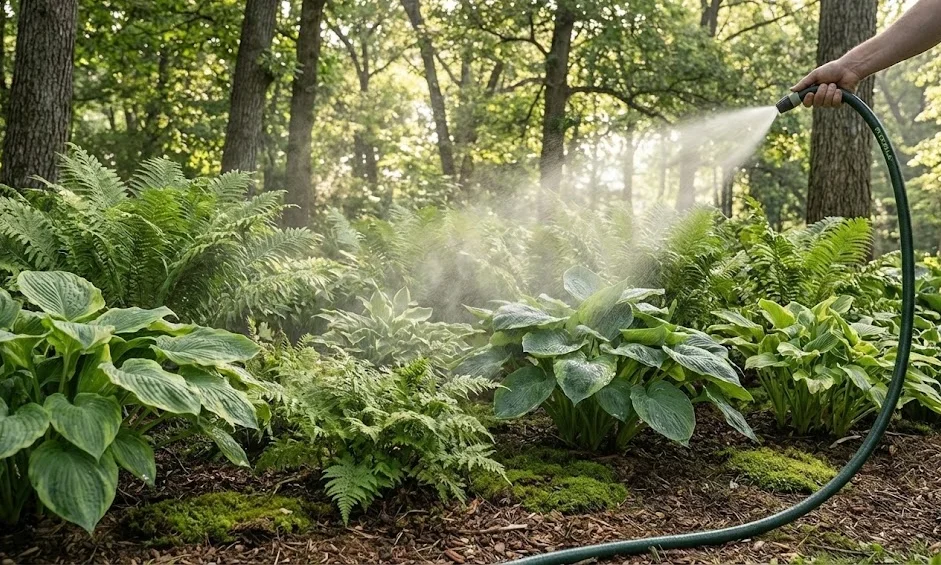
Table of Contents If you grow seedlings, ferns, shade-loving perennials, or tender foliage plants, the best garden hoses for sensitive plants are the ones that deliver soft, low-pressure water instead of harsh, damaging jets. The right hose and nozzle combination can prevent soil from splashing, protect delicate leaves, and keep root zones evenly moist without […]
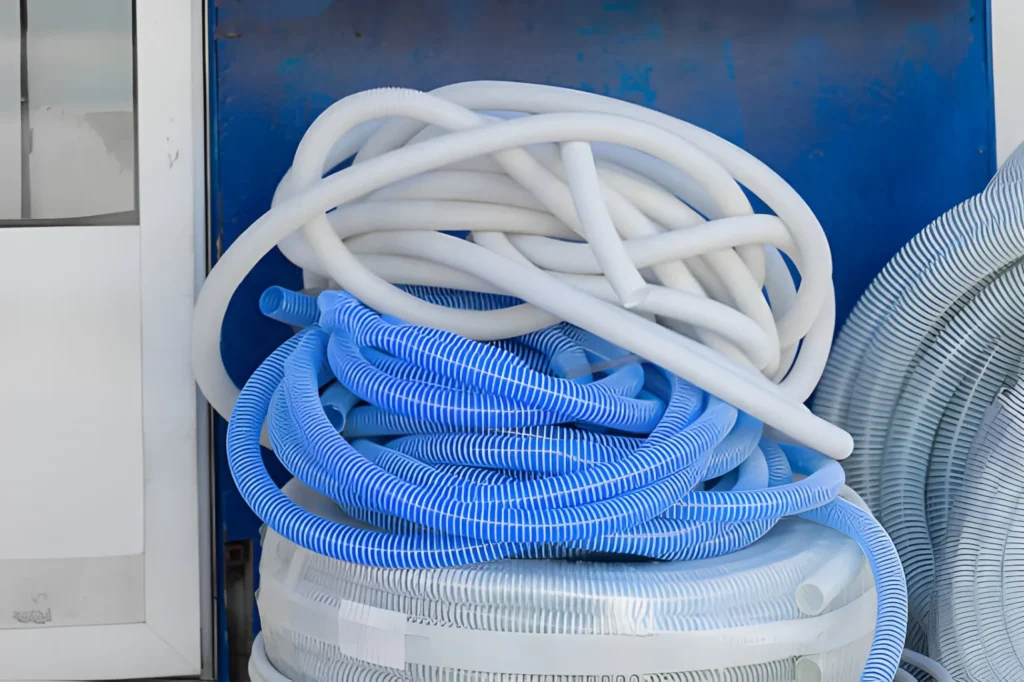
Are you searching for the right hose to handle your water transfer, agricultural, or industrial needs? A pvc suction hose might just be the perfect solution you’ve been looking for. Whether you’re managing a construction site, maintaining agricultural equipment, or handling marine operations, understanding what makes a pvc suction hose essential can save you time, […]
Choosing the right tubing material is an important decision. Among the most common options are silicone tubing and PVC (polyvinyl chloride) tubing. Each material offers different strengths, which makes them suitable for specific uses and industries. To select the best option, it is necessary to understand how these two materials differ. This article explains the […]
We use cookies to enhance your browsing experience, serve personalised ads or content, and analyse our traffic. By clicking "Accept All", you consent to our use of cookies.