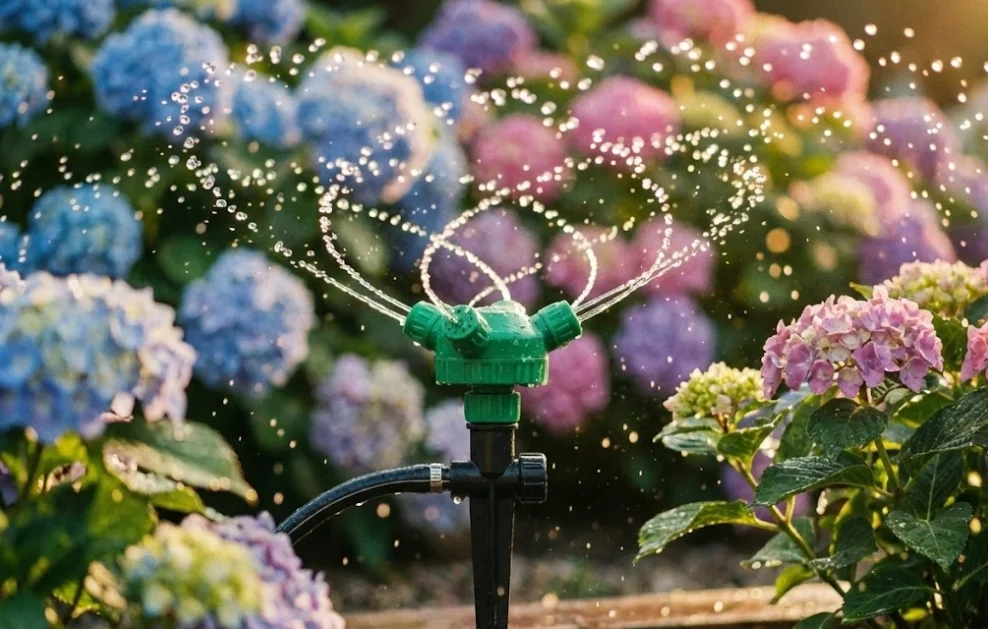
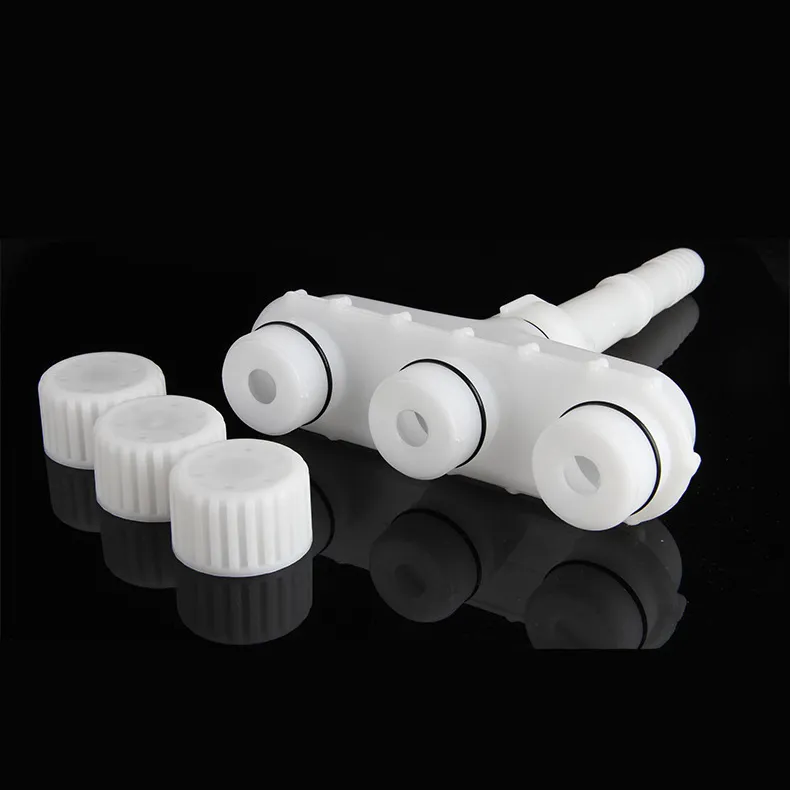
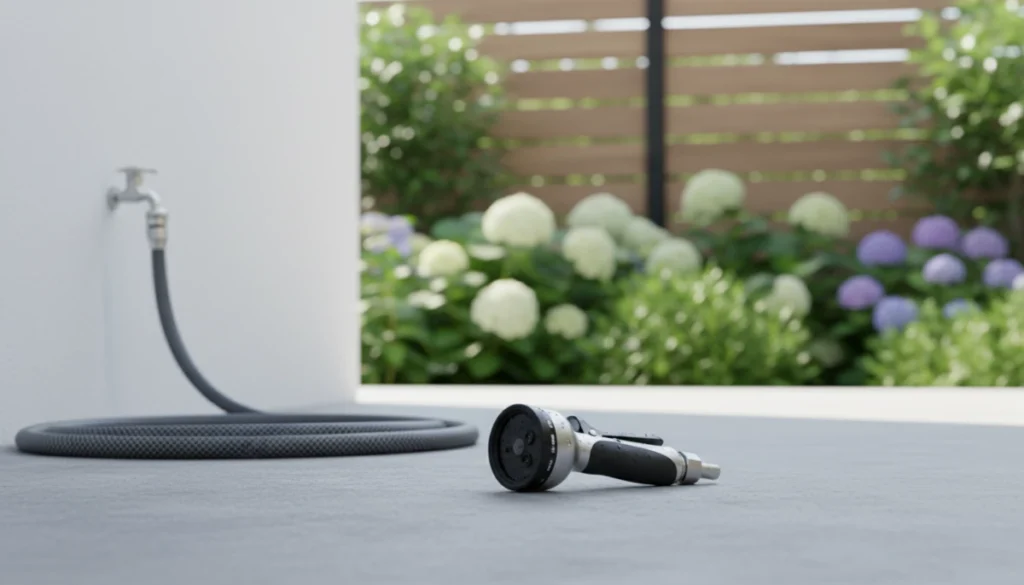
Achieving a lush, green garden without wasting water or spending hours with a hose is a goal for every gardener, and the secret often lies in the hardware you choose. A multi hole water rotating nozzle is a transformative tool designed to bridge the gap between simple hand-watering and expensive underground systems. By utilizing a series of precision-engineered outlets on a spinning head, this device converts a standard stream of water into a gentle, rhythmic rain-like pattern. This mechanism ensures that water is delivered slowly enough for the soil to absorb it effectively, preventing the runoff common with high-pressure jets. For homeowners looking to upgrade their current setup, integrating a high-quality Multi Hole Water Rotating Nozzle is often the most cost-effective step toward a healthier landscape.
In this comprehensive guide, this article explores the mechanics behind this technology, detailing how a rotating sprinkler nozzle for even water distribution can solve common gardening headaches like dry patches and fungal diseases. It also provides a step-by-step installation walkthrough, ensuring you get the most out of your purchase. Whether managing a sprawling lawn or a compact flower bed, understanding the unique benefits of a multi hole water rotating nozzle will change the way irrigation is planned and executed.
Why Choose a Multi Hole Water Rotating Nozzle?
The market is flooded with watering gadgets, from oscillating bars to impact sprinklers, but the multi hole water rotating nozzle stands out for its versatility and gentle application. Unlike impact sprinklers that cut through the air with a noisy, heavy stream, rotating multi-hole designs prioritize uniformity. The core advantage lies in how they manipulate water flow: instead of one large opening, the water is forced through multiple smaller channels. This design creates a balance of pressure and coverage that is difficult to achieve with other types of equipment.
The Science of Even Water Distribution
At the heart of the multi hole water rotating nozzle is the principle of multi-trajectory coverage. When water exits the nozzle, it does not just shoot in a straight line; the internal gearing or reaction drive causes the head to spin. This rotation means that the streams of water are constantly moving across the landscape. In a static sprinkler, the area closest to the head often gets too much water while the outer edges get too little. However, a well-designed rotating sprinkler nozzle for even water distribution ensures that the droplets overlap in a consistent pattern.
This overlapping is crucial because it mimics natural rainfall, allowing water to penetrate the soil profile vertically rather than washing away topsoil horizontally. For sloped gardens, this is especially important. Instead of water flowing downhill quickly and leaving the top of the slope dry, the rotating motion slows everything down, giving gravity and capillary action time to draw moisture deeper into the root zone.
Gentle Watering for Delicate Plants
One of the most significant challenges in gardening is watering new seedlings or delicate blooms without damaging them. High-impact sprinklers can crush fragile stems or flatten petals with the sheer force of the water droplets. A multi hole water rotating nozzle solves this by atomizing the water slightly more than standard nozzles, creating smaller, lighter droplets. These droplets land softly on the foliage and soil surface.
This feature makes it an adjustable multi-hole sprinkler nozzle for lawns that also doubles as a safe solution for vegetable gardens and flower beds. Seedlings, leafy greens, and shallow-rooted flowers can all benefit from this gentle approach. Instead of being pounded by water, they receive a soft, enveloping shower that hydrates both leaves and soil without causing compaction or erosion.
Water Conservation Benefits
In an era where water conservation is paramount, efficiency is not just a bonus—it’s a requirement. Because the multi hole water rotating nozzle delivers water at a slower application rate (often referred to as a lower precipitation rate), the soil has more time to absorb the moisture. This is especially vital for clay soils, which have slow infiltration rates.
By preventing surface pooling and runoff, it ensures that every gallon of water used actually reaches plant roots. This efficiency makes the nozzle a true water-saving rotary nozzle for flower beds and turf alike, potentially reducing the water bill while improving plant health. When combined with timers and smart scheduling, it becomes a powerful tool in building a sustainable garden.
Product Recommendation: To experience these benefits firsthand, consider the Multi Hole Water Rotating Nozzle. Its precision design ensures that the garden receives the gentle, even hydration it needs to thrive.
How to Install and Adjust Your Multi Hole Water Rotating Nozzle
Installing a multi hole water rotating nozzle is generally a straightforward process, but attention to detail during setup can make the difference between a good system and a great one. These nozzles are designed to be compatible with most standard irrigation bases, risers, and hose-end spikes, giving flexibility to build a custom solution for different garden layouts.
Step 1: Assessing Your Water Pressure
Before screwing on a new nozzle, it is important to understand the water pressure available. While a multi hole water rotating nozzle is efficient, it does require a minimum threshold of pressure (usually around 25–30 PSI) to initiate the rotation mechanism effectively. If the pressure is too low, the head may stall or dribble. Conversely, extremely high pressure can cause the water to mist excessively, leading to evaporation loss before the water even hits the ground.
A simple way to check is to attach the nozzle and turn the tap half-open. If the rotation is sluggish, look for kinks in the hose, partially closed valves, or length issues. Long, narrow hoses can create significant friction loss. A shorter, wider-diameter hose can help deliver enough pressure for the multi hole water rotating nozzle to spin as designed.
Step 2: Connection and Placement Strategies
Once pressure is confirmed, attach the nozzle to the chosen base. A spike base is excellent for temporary placement in lawns, while a sled or disc base offers stability on hard surfaces like patios or compacted soil. When tightening the multi hole water rotating nozzle, hand-tightening is usually enough—over-tightening can damage plastic threads or seals.
Placement is key. For multiple sprinklers, the ideal guideline is “head-to-head coverage”—the spray from one nozzle should reach the base of the next. This ensures that overlapping patterns eliminate dry gaps. For a single-nozzle setup, place it as centrally as possible in the area being watered, taking care that shrubs, furniture, or walls do not block the spray. Adjust the angle so that paths and windows receive minimal overspray.
Step 3: Fine-Tuning the Spray Pattern
Many advanced models function as an adjustable multi-hole sprinkler nozzle for lawns, allowing tweaks to spray radius and sometimes flow rate. Typically, there is a small screw on the top of the nozzle that adjusts distance: turning it in partially blocks the outlet, reducing throw; turning it out restores full range.
Spend time observing the rotation speed and coverage. The ideal pattern for a multi hole water rotating nozzle is a calm, rhythmic spin that completes a full circle regularly without racing. If it spins too fast, outer edges may get more water than inner areas. If it turns too slowly or stops intermittently, check for clogs or pressure issues.
Product Recommendation: For a stable setup that complements the nozzle, the Green Disc Base Sprinkler 360 Rotary Garden Irrigation provides a robust platform, keeping the nozzle upright and effective throughout the watering cycle.
Comparison: Multi Hole Rotating Nozzles vs. Traditional Sprinklers
When shopping for garden tools, it is helpful to understand how a multi hole water rotating nozzle compares to fixed spray heads and oscillating sprinklers. This comparison clarifies where each tool excels and why rotating nozzles are increasingly favored in modern irrigation design.
Efficiency and Coverage Analysis
Fixed spray nozzles, which often produce a fan-shaped mist, have very high application rates. They release a large volume of water in a short time, which can quickly exceed the absorption capacity of many soils. The result is runoff, puddles, and sometimes erosion. On slopes, this fast application practically guarantees water will move downhill before it has a chance to soak in.
A rotating sprinkler nozzle for even water distribution works differently. Because water exits through multiple small orifices as the head turns, the overall precipitation rate is lower. The same amount of water may be applied, but over a longer period. This slower, more controlled delivery gives the soil time to absorb moisture deeply. Over time, this encourages deeper root growth, which in turn improves drought tolerance and lawn resilience.
Oscillating sprinklers, with their moving rectangular bars, offer good coverage for rectangular sections of lawn but are more susceptible to wind. Their taller spray arcs can drift off target easily. A low-profile multi hole water rotating nozzle tends to stay closer to the ground, with heavier streams that are less likely to be blown away.
Durability and Long-Term Value
Traditional metal impact sprinklers are rugged but noisy and can jam if grit or debris gets into the moving parts. Plastic gear-driven rotors are quieter but often have more complex internals that can fail under wear or poor water quality.
The multi hole water rotating nozzle offers a middle ground. Its internals are relatively simple: a small spinning mechanism and multiple outlet holes. Maintenance is typically limited to periodic cleaning and occasional descaling. With UV-resistant plastic construction and straightforward design, these nozzles often outlast low-cost spray heads that are prone to cracking or clogging.
Because a water-saving rotary nozzle for flower beds can reduce wasted water while improving plant health, it delivers value in both lower utility bills and fewer plant replacements due to over- or under-watering.
Product Recommendation: For irregularly shaped areas where mobility is important, pairing the nozzle with a Blue Hollow Base Sprinkler Lawn Garden Irrigation base allows easy repositioning while retaining even coverage.
Advanced Tips for Maximizing Your Irrigation System
To truly master garden irrigation with a multi hole water rotating nozzle, it is important to plan beyond the nozzle itself and think of the entire watering strategy.
Zoning Your Garden for Optimal Growth
Zoning means grouping areas with similar watering needs and controlling them together. High-demand turf, vegetable beds, and moisture-loving perennials might form one zone; drought-tolerant shrubs and native plants might form another.
A multi hole water rotating nozzle is ideal for high-demand zones where wide, even coverage is required. For instance:
Zone A: Lawn and flower borders – watered with a series of rotating nozzles.
Zone B: Shrub beds – shorter runtimes or supplemental drip lines.
Zone C: Containers – hand-watering or dedicated drip emitters.
Using a hose manifold with shutoff valves or a 4-way diverter, it is possible to feed several hoses with different schedules. This allows using an adjustable multi-hole sprinkler nozzle for lawns in one area while running low-flow solutions elsewhere, all from a single water source.
Seasonal Adjustments for Year-Round Care
Watering requirements change through the year. In spring, plants are actively growing but temperatures are moderate, so shorter, more frequent runs may be ideal. In the heat of summer, deeper, less frequent watering encourages roots to search for moisture deeper in the soil, improving resilience.
The multi hole water rotating nozzle adapts well to these strategies:
Spring: Moderate runtime, 2–3 times per week, focusing on even coverage.
Summer: Longer runtime, 1–2 times per week, early in the morning to reduce evaporation.
Autumn: Gradually reduce frequency as plant growth slows.
Winter (where applicable): Systems are often shut off, and nozzles stored indoors in freezing climates.
A water-saving rotary nozzle for flower beds can also be paired with mulch to lock in moisture, further reducing the need for frequent watering while stabilizing soil temperature.
Maintenance and Troubleshooting Guide
Even robust tools require care. Proper maintenance of a multi hole water rotating nozzle ensures a long service life and consistently reliable performance.
Clogged Nozzles If part of the spray pattern looks weak or a section of the circle is dry, a hole may be clogged. Unscrew the nozzle carefully and inspect the inlet screen and outlet holes. Rinse under clean water and gently remove debris with a soft brush or non-metallic pick. Avoid enlarging the openings, as that can permanently alter the spray characteristics.
Stalled Rotation If the nozzle stops spinning or rotates only intermittently, first verify adequate water pressure. If pressure is acceptable, mineral buildup or grit may be interfering with the internal mechanism. Soaking the nozzle head in a solution of water and white vinegar for 30–60 minutes can loosen scale. After soaking, rinse thoroughly and test again.
Uneven Coverage Over Time As landscapes mature, trees and shrubs grow taller and may begin to block the spray from a multi hole water rotating nozzle. Periodically reassess placement and height. It may be necessary to raise the nozzle on a taller riser or reposition the base so the spray path remains unobstructed.
Winter Storage In climates with freezing temperatures, remove hose-end nozzles before winter. Shake out as much water as possible and store them indoors. This protects internal parts from freeze damage and extends the life of the nozzle.
FAQ
Q1: Can I use a multi hole water rotating nozzle on a low-pressure rain barrel system? A: It depends on the gravity pressure available. Most multi hole water rotating nozzles require at least 20–25 PSI to spin effectively. Typical rain barrels without a pump often provide less than this, so static nozzles or drip irrigation are generally more reliable for such systems.
Q2: How often should I run my rotating nozzle for my lawn? A: Requirements vary by climate and soil, but many lawns thrive on approximately 1 inch of water per week. Because a rotating sprinkler nozzle for even water distribution applies water slowly, this might mean running the system 1–2 times per week for 30–60 minutes per session, rather than frequent short bursts.
Q3: Will this nozzle fit my existing sprinkler base? A: Most multi hole water rotating nozzles use standard garden hose or sprinkler thread sizes, making them compatible with common spike, sled, or disc bases. Always double-check thread specifications to ensure a proper fit and avoid leaks.
Q4: Is the spray pattern adjustable? A: Many models are an adjustable multi-hole sprinkler nozzle for lawns, allowing adjustments to radius and flow. Some versions also provide variable arcs (for example, part-circle vs. full-circle), while simpler designs offer a fixed 360-degree rotation. Check the product details to select the right pattern for each area.
Q5: Are multi hole water rotating nozzles suitable for flower beds as well as lawns? A: Yes. A water-saving rotary nozzle for flower beds is often ideal because it delivers gentle overhead watering that mimics rainfall. For very sensitive plants or those prone to foliar diseases, combine the rotating nozzle with drip irrigation so that most moisture is delivered at soil level.
In modern agriculture and horticultural irrigation systems, the “water pipe material” is a critical factor that directly influences “irrigation efficiency” and “water-saving performance.” Selecting the right water pipe material not only ensures stable water flow, reduces leak risks and maintenance costs but also significantly extends the lifespan of the irrigation system. This article provides a […]
A garden hose needs enough water pressure to handle everyday outdoor jobs like watering plants and washing surfaces. When the pressure is low, everything takes longer and the work becomes annoying. A steady, strong flow also helps plants grow well and keeps the garden healthy. If you want to know how to Increase garden hose […]
The Anatomy of a Durable Garden Hose Nozzle: Materials Matter We have all seen nozzles crack, leak, or shatter after a single season of use. As a manufacturer, I can tell you that longevity isn’t luck; it is engineering. The difference between a throwaway tool and a professional garden hose nozzle lies entirely in the raw materials […]
We use cookies to enhance your browsing experience, serve personalised ads or content, and analyse our traffic. By clicking "Accept All", you consent to our use of cookies.