Garden Tools
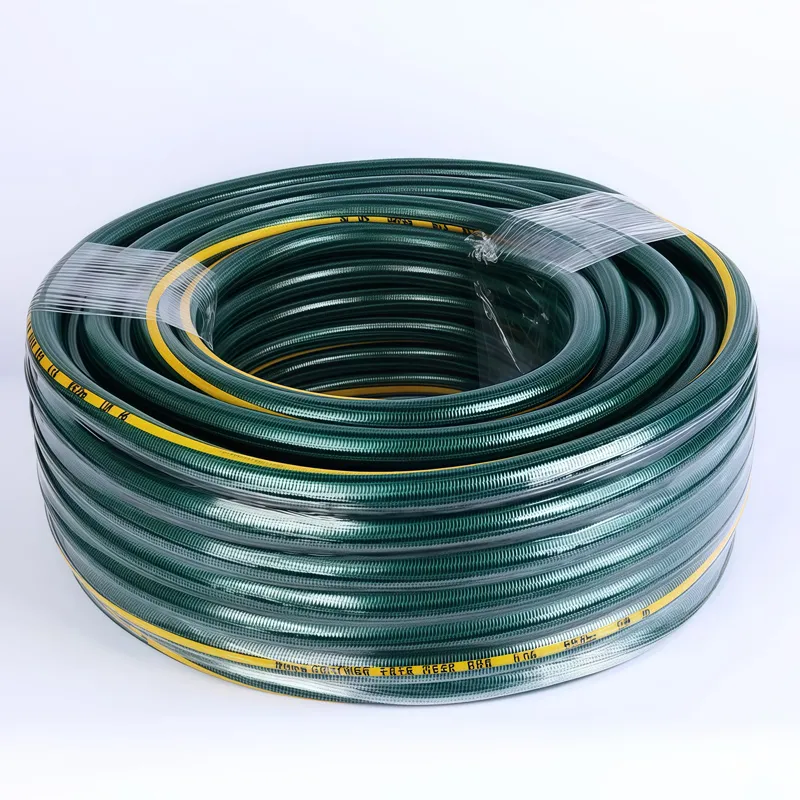
Plastic Hose Pipe Guide Durable Kink Resistant Flexible PVC Hoses
Discover durable plastic hose pipes with kink-resistant PVC, flexible designs, various lengths, and safe fittings ideal for efficient garden watering.
Read More
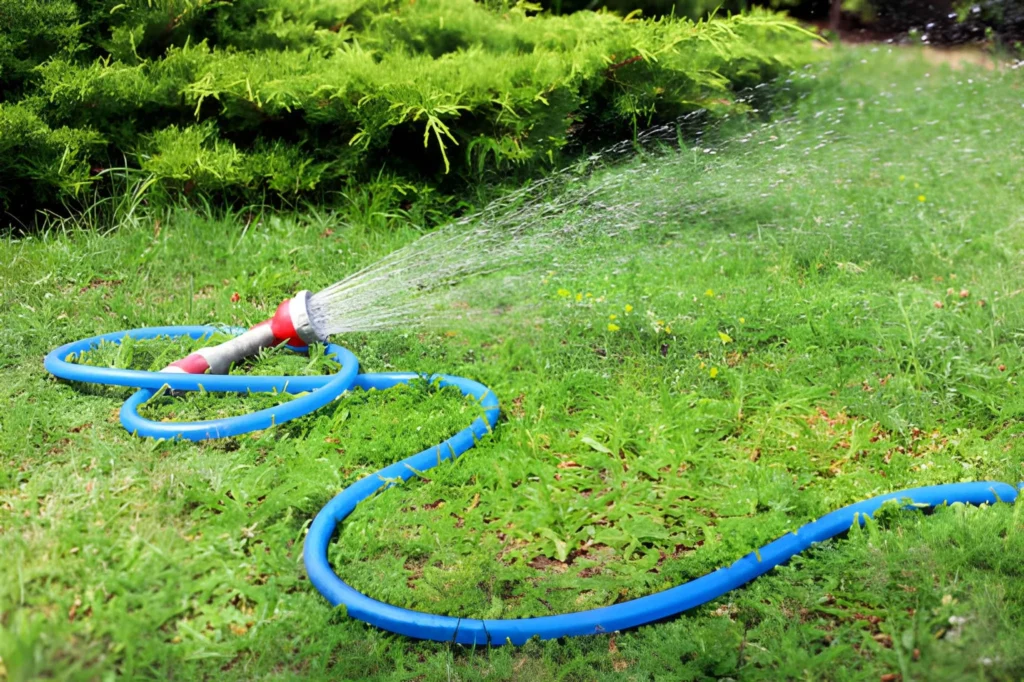
If gardening is a regular part of your routine, steady water pressure matters. A strong, consistent supply makes it easier to water well and helps plants grow the way they should.
When a garden hose runs with low pressure, watering becomes slow and uneven. That can leave some areas too dry and make results disappointing.
The good news is that pressure problems often have practical fixes. With the right steps, you can raise hose pressure and give your plants the consistent care they need.
This article walks through proven ways to improve water pressure, starting with basic maintenance and moving up to more advanced options when necessary.
Water pressure plays a crucial role in gardening, though it often goes unnoticed until issues appear. Think of your garden hose as a lifeline for your plants—it delivers the moisture that keeps them growing strong. The pressure inside that hose determines how forcefully water is released, directly influencing how well your garden is irrigated.
Even Water Distribution
Proper water pressure helps spread water evenly across your garden. When the flow is strong enough, it reaches every corner, ensuring all plants get the moisture they need. If the pressure is too weak, some areas may dry out, causing uneven growth or wilting.
Faster Watering
Good water pressure lets you finish watering faster and more effectively. This is especially helpful on hot days when plants need quick relief from heat stress. With enough force, you can cover larger spaces in less time, keeping your garden hydrated without delay.
Optimal Sprinkler and Nozzle Use
Attachments like sprinklers and nozzles depend on stable water pressure to operate properly. A sprinkler, for instance, needs adequate pressure to spray water evenly over its set area. When pressure drops, the pattern becomes inconsistent, leaving parts of the garden overwatered or dry.
Better Soil Absorption
Pressure also affects how deeply water penetrates the soil. Low pressure can lead to poor absorption, encouraging shallow root growth that struggles during dry spells. Proper pressure helps water reach deeper layers, strengthening the root system and improving plant health.
Fewer Clogs and Blockages
Weak pressure can allow debris, sediment, and mineral buildup inside the hose, causing clogs that restrict flow. Over time, this buildup can damage the hose and reduce performance. Strong, consistent pressure helps prevent such blockages.
Efficient Water Use
Surprisingly, adequate water pressure often leads to less waste. With weak flow, you might leave the hose running longer just to cover the same area. Sufficient pressure lets you water thoroughly and efficiently, saving both time and water.
In short, water pressure is the hidden power behind healthy gardens. By managing it well, you ensure water reaches where it’s needed most, helping your plants grow lush and vibrant. Whether your garden is a small patch or a wide landscape, balanced water pressure can make all the difference in achieving lasting growth and beauty.
| Aspect | Why Water Pressure Matters |
|---|---|
| Even water distribution | Ensures all plants receive consistent moisture |
| Faster watering | Covers larger areas in less time |
| Sprinkler & nozzle performance | Allows attachments to spray evenly and correctly |
| Soil absorption | Helps water penetrate deeper into the soil |
| Fewer clogs | Reduces sediment buildup inside the hose |
| Efficient water use | Prevents overwatering and wasted time |
Regularly inspecting your garden hose for blockages and leaks is key to keeping water pressure consistent. A clogged or leaky hose limits water flow, which can lead to uneven watering and harm your plants.
Finding Blockages
Blockages often form from dirt, debris, or mineral buildup that narrow the hose’s interior. When this happens, water pressure drops. To locate a blockage:
Identifying Leaks
Leaks can form from splits, cracks, or worn fittings. Even minor ones reduce pressure noticeably. To find leaks:
Repairing or Replacing Sections
Small leaks can often be fixed with a hose repair kit. Most contain clamps or patches that easily seal damaged areas. If large sections are broken or several leaks appear, replacement may be the better option.
By routinely checking and fixing blockages or leaks, you’ll preserve strong water flow and deliver consistent moisture to your garden. Keeping your hose in good condition ensures both healthy plants and efficient watering.
| Issue | Likely Cause | Solution |
|---|---|---|
| Weak or uneven flow | Internal blockage | Flush hose or clear debris |
| Water spraying from hose | Split or crack | Repair or replace section |
| Dripping at connectors | Loose or worn fitting | Tighten or replace fittings |
| Sudden pressure loss | Hidden leak | Inspect entire hose length |
Cleaning and caring for your garden hose helps it keep steady water flow and reliable pressure. As time passes, dirt, grit, and mineral deposits can collect and slow the water down, even if the hose looks fine from the outside.
Regular cleaning
Begin by disconnecting the hose from the tap and removing any attachments, then lay it out straight so it is easier to handle. Running a strong stream of water through the hose first helps push out loose debris before deeper cleaning.
Remove surface dirt
Wipe the outside with a cloth or scrub gently with a soft brush using mild soapy water. This clears away mud and grime that can wear the hose over time and makes it easier to spot damage.
Flush the inside
After cleaning the exterior, rinse the hose thoroughly and continue flushing the interior with clean water. A steady, strong rinse helps dislodge particles trapped inside that can reduce flow.
Deal with mineral buildup
If mineral deposits are suspected, a vinegar-and-water soak can help loosen buildup, then the hose should be rinsed well afterward. Kingdaflex specifically recommends using a mixture of equal parts white vinegar and warm water for dissolving deposits during cleaning.
Check for leaks during cleaning
While the hose is laid out, inspect it for cracks, soft spots, or worn areas, and address problems early. Fixing small damage quickly can prevent pressure loss and avoid bigger failures later.
Store it the right way
Let the hose dry, then coil it neatly and keep it in a cool, dry place when not in use. Storing it indoors or in a shed/garage helps protect it from harsh weather, and draining it well reduces the risk of freezing damage in colder seasons.
| Maintenance Task | Purpose |
|---|---|
| Exterior cleaning | Prevents wear and reveals damage |
| Interior flushing | Removes grit and sediment |
| Vinegar soak | Dissolves mineral buildup |
| Leak inspection | Prevents pressure loss |
| Proper storage | Avoids kinks and freezing damage |
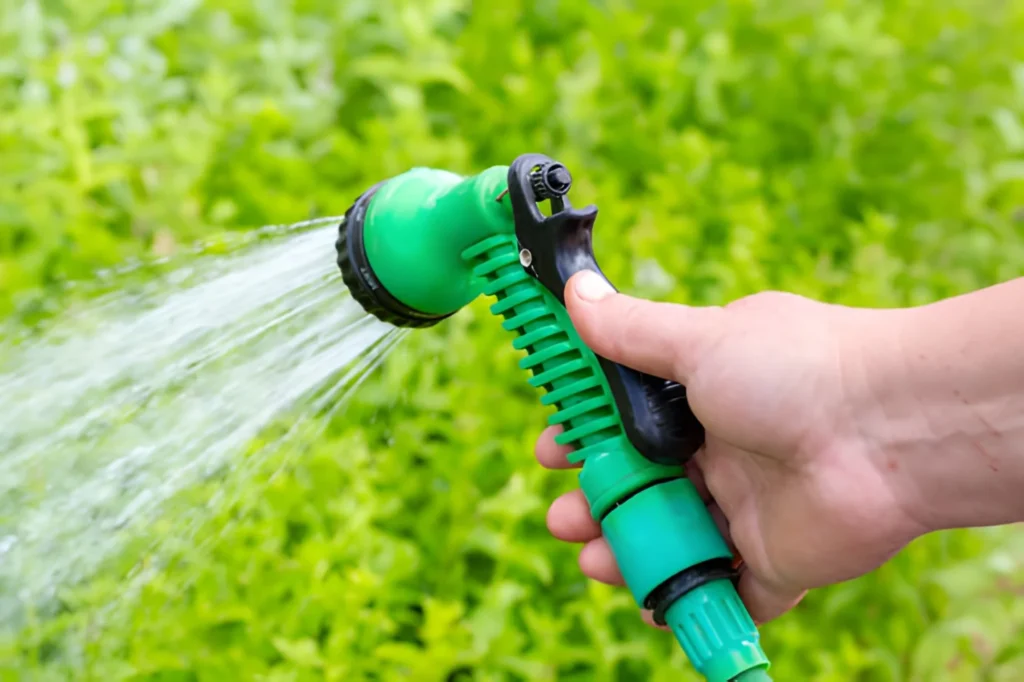
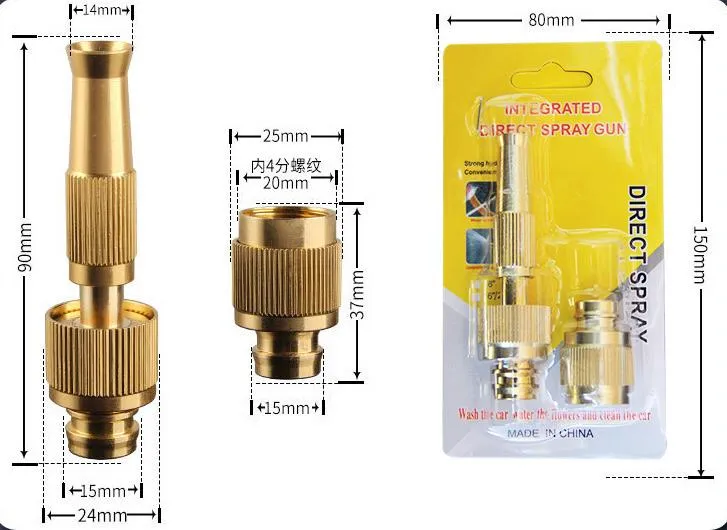
A high-pressure nozzle reshapes the hose’s flow into a tighter, stronger stream. Used correctly, it can improve reach, speed up watering, and help with light outdoor cleaning.
Benefits of a high-pressure nozzle
Use it carefully
High pressure can harm fragile plants and disturb soil, especially when using strong settings like “jet” or “cone.” For flower beds and tender plants, switch to a gentler pattern and reduce force so petals, leaves, and topsoil are not knocked loose.
A high-pressure nozzle can make garden care easier, but the best results come from matching the spray setting to the job. Adjust the pattern, aim precisely, and avoid blasting sensitive plants.
| Feature | Benefit |
|---|---|
| Concentrated spray | Reaches distant plants easily |
| Stronger stream | Improves soil penetration |
| Adjustable patterns | Suitable for both watering and cleaning |
| Controlled flow | Reduces overspray and water waste |
| High-force option | Helps clean patios and furniture |
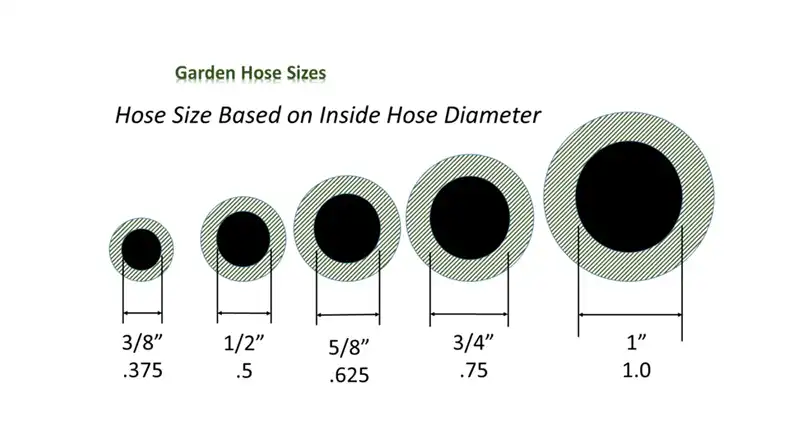
Switching to a larger-diameter hose is a simple way to improve watering performance, mainly by increasing how much water can move through the line at once. In most garden setups, a wider hose reduces friction losses, which helps maintain stronger flow to the nozzle or sprinkler.
Why diameter matters
Water rubbing against the inside walls of a hose creates resistance, and that resistance grows when the passage is narrower. A larger inner diameter gives water more room to travel, so there is less friction and less flow loss along the run.
| Hose Diameter | Typical Use | Flow Capacity |
|---|---|---|
| 1/2 inch | Light garden tasks | Low |
| 5/8 inch | Most home gardens | Medium |
| 3/4 inch | Large gardens & sprinklers | High |
An easy way to picture it
A narrow hose is like forcing traffic through a tight lane: movement slows and bottlenecks form. A wider hose acts more like a wider lane, letting a larger volume pass through more smoothly.
What you gain in the garden
With higher flow available at the end of the hose, irrigation is usually more consistent and coverage is easier, especially for sprinklers or longer hose runs. Many guides note common hose sizes (such as 1/2 inch, 5/8 inch, and 3/4 inch) and show that larger diameters generally deliver higher flow rates at the same pressure.
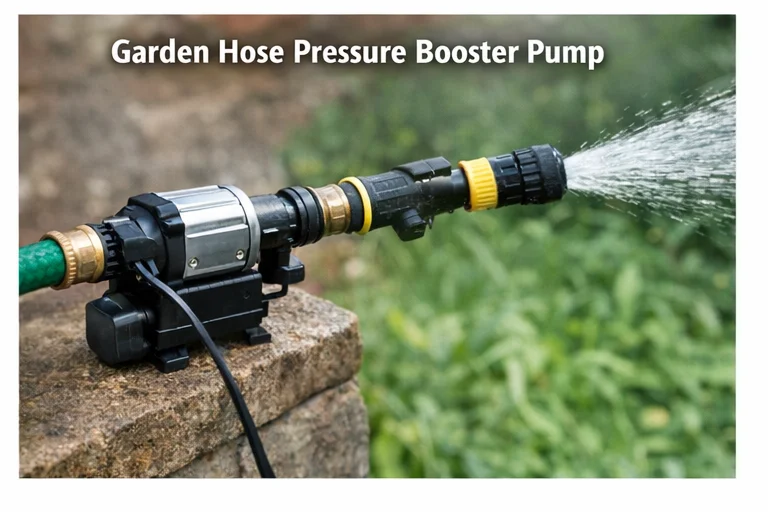
A water pressure booster pump pulls water from your current supply line and raises the pressure before the water flows to your garden hose. An electric motor powers the pump. Inside, impellers or similar parts push the water forward and squeeze it through tighter spaces, which increases pressure.
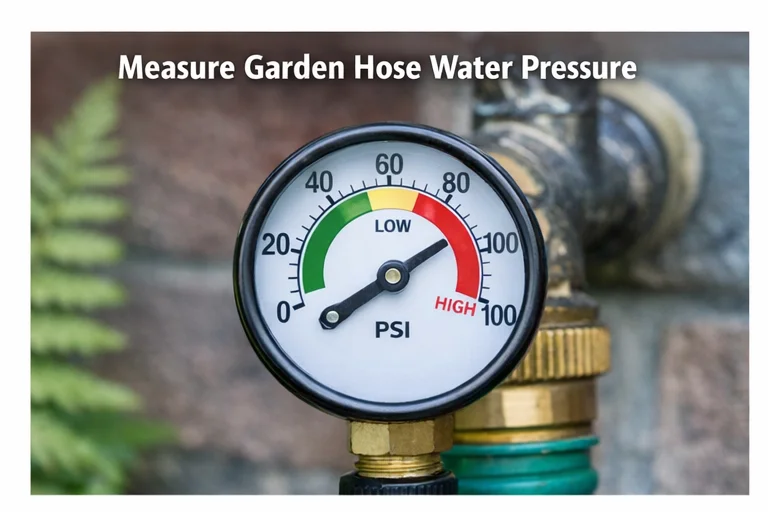
Looking into water pressure regulators is a smart step if you want better control of garden hose pressure. These devices help keep water flow steady and safe. That way, your plants get the right amount of water, and your hose and fittings are less likely to get damaged.
A water pressure regulator, sometimes called a pressure-reducing valve, is a mechanical part that lowers and controls the pressure coming from your water source. It is especially helpful when your main supply pressure is high and could harm the hose, connectors, irrigation parts, or even delicate plants.
| Function | What It Does |
|---|---|
| Pressure control | Limits water pressure to a set level |
| Flow consistency | Prevents sudden pressure spikes |
| Equipment protection | Reduces strain on hoses and fittings |
| Leak reduction | Keeps connectors sealed |
| Plant safety | Avoids damage from excessive pressure |
Here is how a water pressure regulator works:
When choosing and using a pressure regulator, keep these points in mind:
Adding a water pressure regulator to your hose setup can make watering more reliable and less stressful. It helps protect your equipment while giving your garden a steady, suitable water supply.
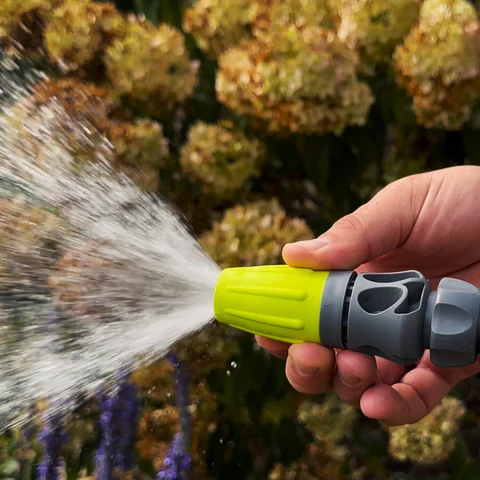
Improving water flow is a practical way to get better garden hose pressure. The goal is simple: help water move through the hose with as little resistance as possible. When the path is clear and smooth, the water reaches farther and feels stronger, which supports steady watering and healthier plant growth.
| Action | Effect on Water Flow |
|---|---|
| Remove kinks | Restores full water passage |
| Clear blockages | Improves pressure |
| Shorten hose | Reduces friction loss |
| Maintain source | Ensures steady supply |
| Clean fittings | Prevents flow restriction |
By keeping the hose straight, clean, and properly sized, you reduce resistance and help water move more efficiently. That usually leads to stronger pressure and more consistent watering across your garden.
A clever way to improve garden hose pressure is to let gravity do the work. Water naturally moves from a higher point to a lower one, and that drop creates force. If you place the water source above your garden, the downhill flow can add extra pressure by the time the water reaches the hose end.
Here’s the basic idea:
| Factor | Effect |
|---|---|
| Height difference | Increases pressure naturally |
| Downhill flow | Boosts water velocity |
| No extra equipment | Low-cost solution |
| Setup simplicity | Easy to apply |
| Water conservation | More even watering |
Keep in mind that results depend on how much height you can create. Too little drop may not change much, while an overly steep drop can create more force than you want and may stress the hose or harm delicate plants. Aim for a height difference that improves flow without making the spray too strong.
Hose length affects pressure more than many people expect. If the hose is much longer than the job requires, water can arrive weaker at the far end because it loses energy as it travels. If the hose is too short, you may be forced to water in sections, which often leads to uneven coverage.
Optimal length for water pressure
Choose a hose that reaches your farthest watering spot without a lot of extra slack. Longer runs generally mean less flow and less pressure at the outlet because friction increases over distance. A hose that fits the space helps keep watering consistent and efficient.
Pressure loss due to hose length
As water moves through a hose, it rubs along the inner walls. That friction causes a pressure drop, and the drop grows as the hose gets longer. This is why extending hose length can noticeably reduce performance, especially when watering far from the spigot.
Choosing the right length
Start by measuring from the faucet to the most distant area you need to reach. Then pick a hose that is only a little longer than that measurement so you still have room to move around corners. This prevents unnecessary distance while still giving you flexibility.
| Hose Length | Pressure at Outlet |
|---|---|
| Short (10–15 m) | High |
| Medium (20–30 m) | Moderate |
| Long (40 m +) | Noticeably reduced |
Avoiding excess length
Buying the longest hose “just in case” often backfires, because extra length adds more friction loss. If you sometimes need more reach, it can be better to use two shorter hoses and connect the second one only when needed. This approach helps keep pressure stronger for everyday watering.
Preventing kinks and tangles
Longer hoses are also easier to kink, coil, and snag. Those bends act like pinch points and can reduce flow even more. Lay the hose out in gentle curves and use guides or holders where the hose turns.
Regular inspection
No matter what length you choose, check the hose often for leaks, worn fittings, and hidden kinks. Small problems can cut pressure and waste water. Proper storage also helps prevent permanent bends that can restrict flow later.
With the right steps, your garden can get steady water and stay healthy. Keep your hose and water source in good shape, and make small upgrades when needed. When flow is smooth and pressure is reliable, plants are more likely to stay green and strong through the seasons.
If you have questions about products or want to share your requirements, contact sales@qiyitools.com
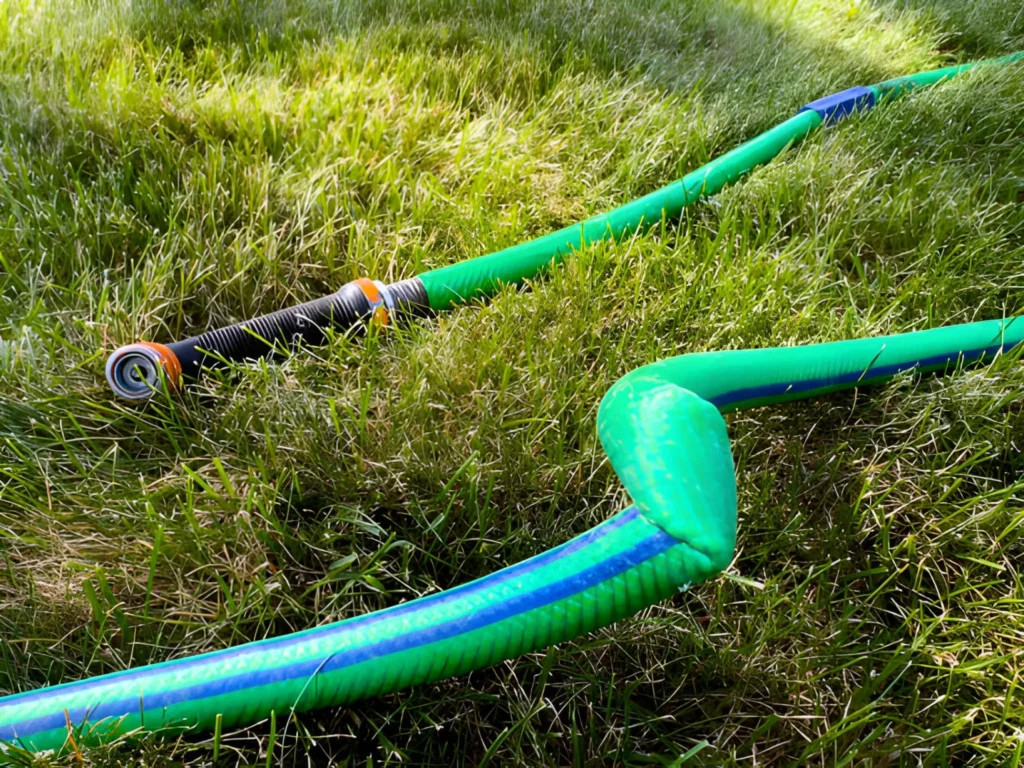
Discover durable plastic hose pipes with kink-resistant PVC, flexible designs, various lengths, and safe fittings ideal for efficient garden watering.
Read More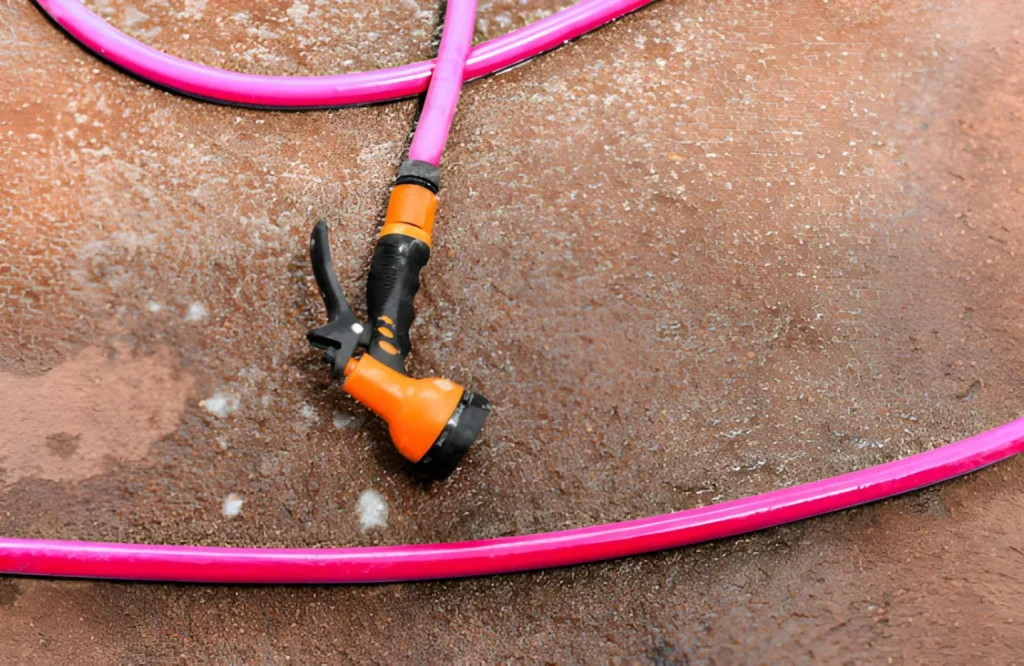
Discover durable flexible PVC hoses ideal for gardening and irrigation with kink resistance lightweight design and clear options for versatile use
Read More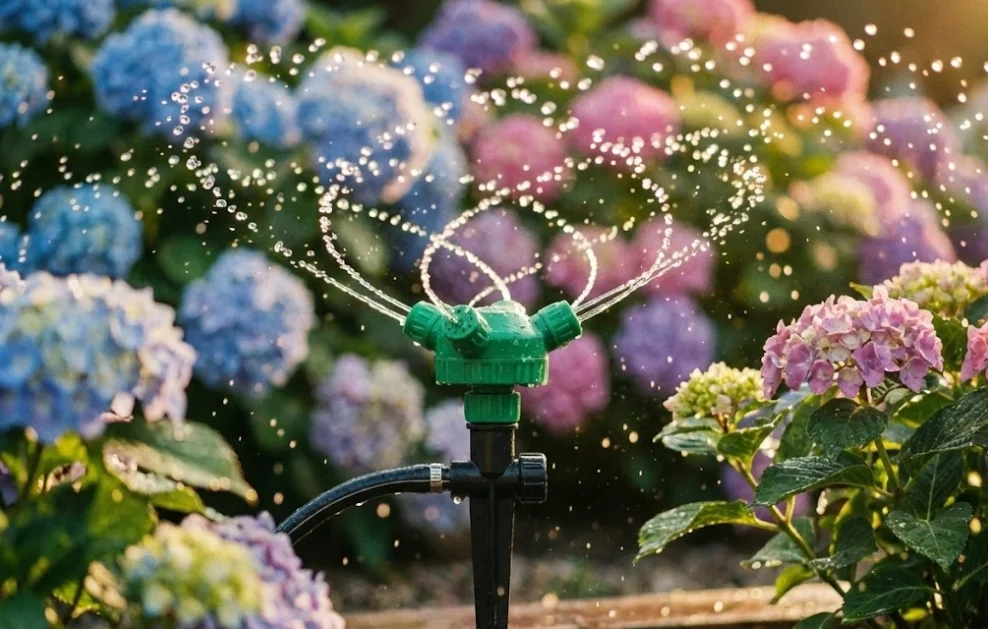
Table of Contents Achieving a lush, green garden without wasting water or spending hours with a hose is a goal for every gardener, and the secret often lies in the hardware you choose. A multi hole water rotating nozzle is a transformative tool designed to bridge the gap between simple hand-watering and expensive underground systems. […]
Read More