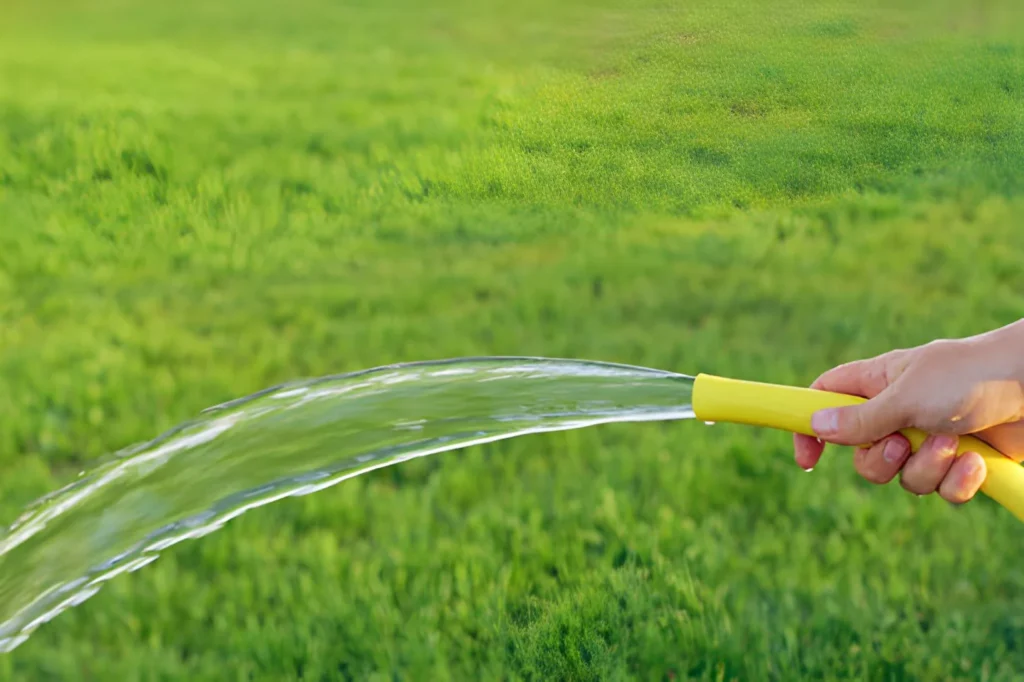
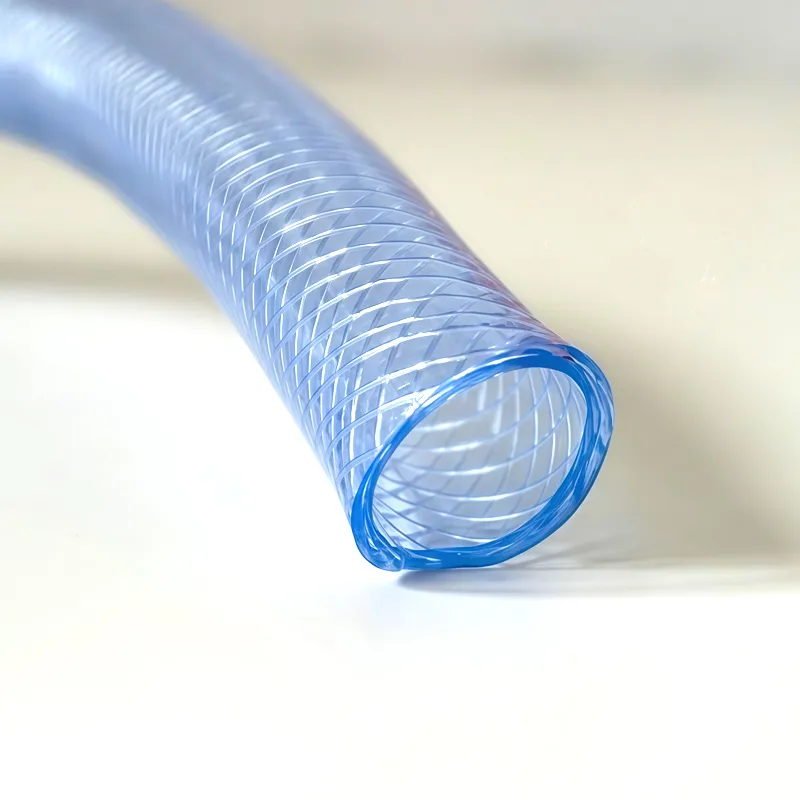
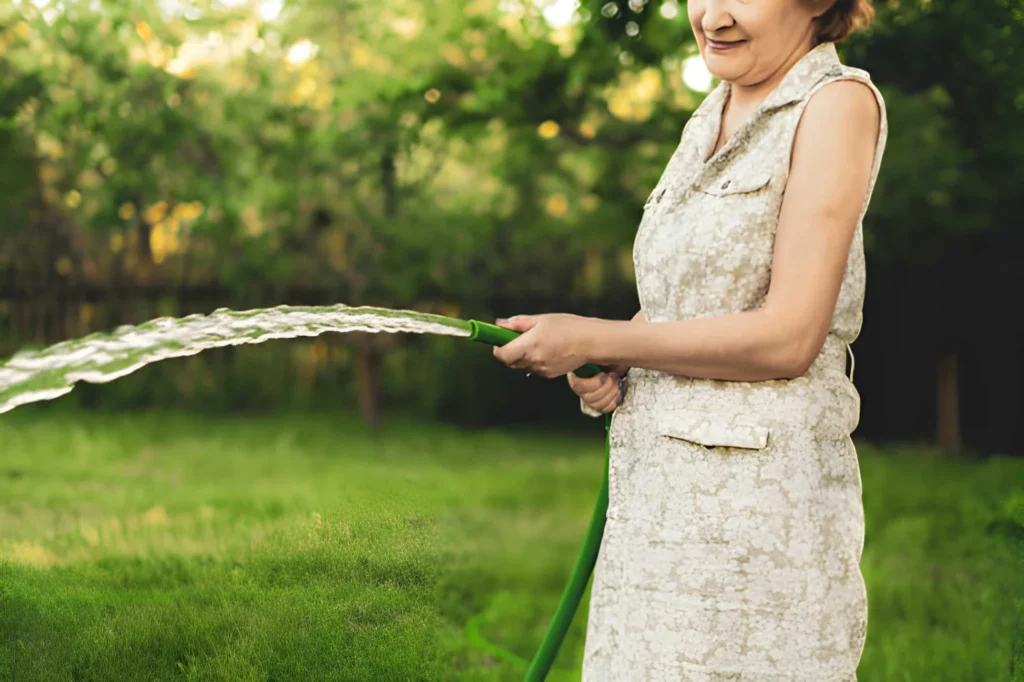
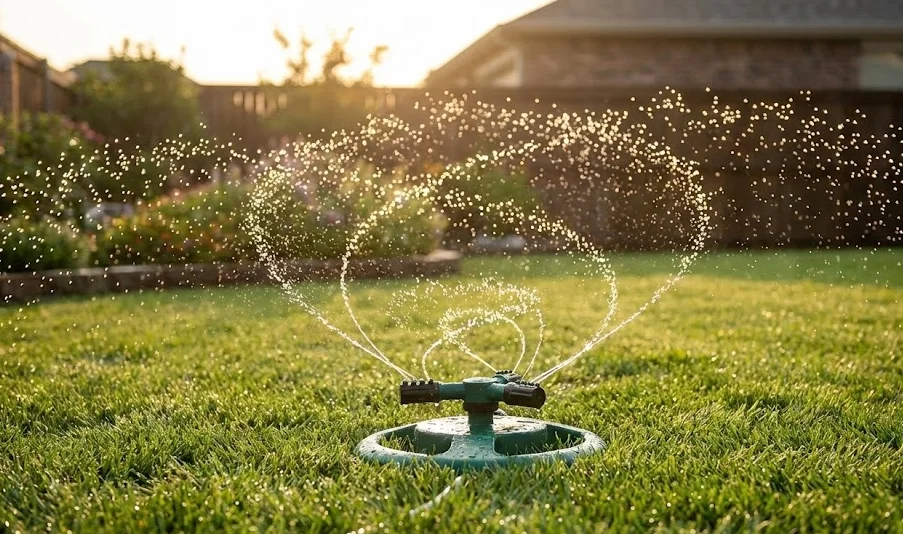
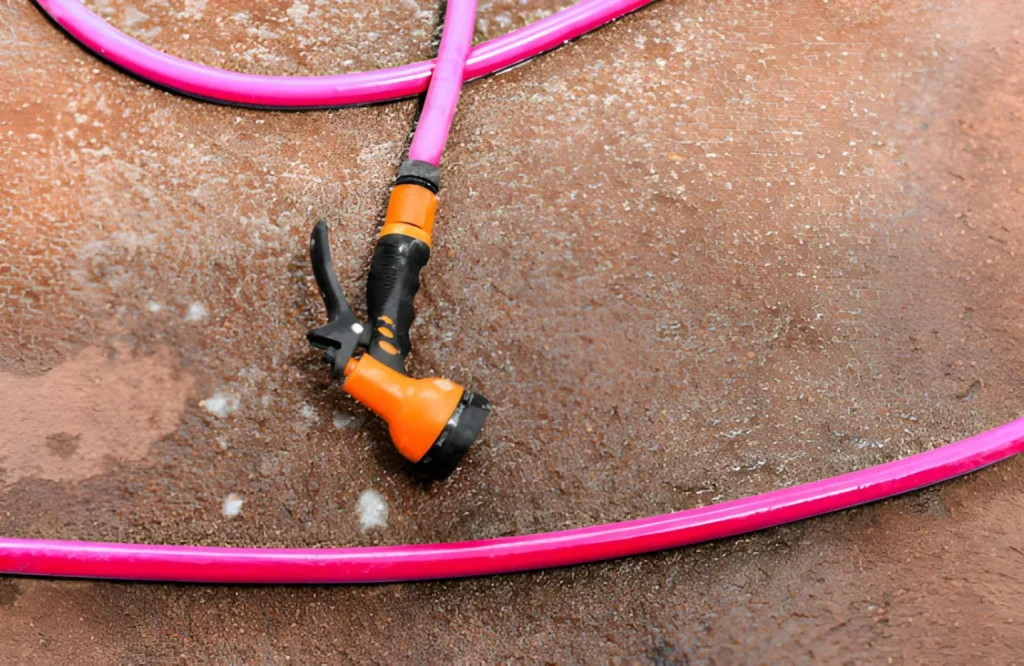
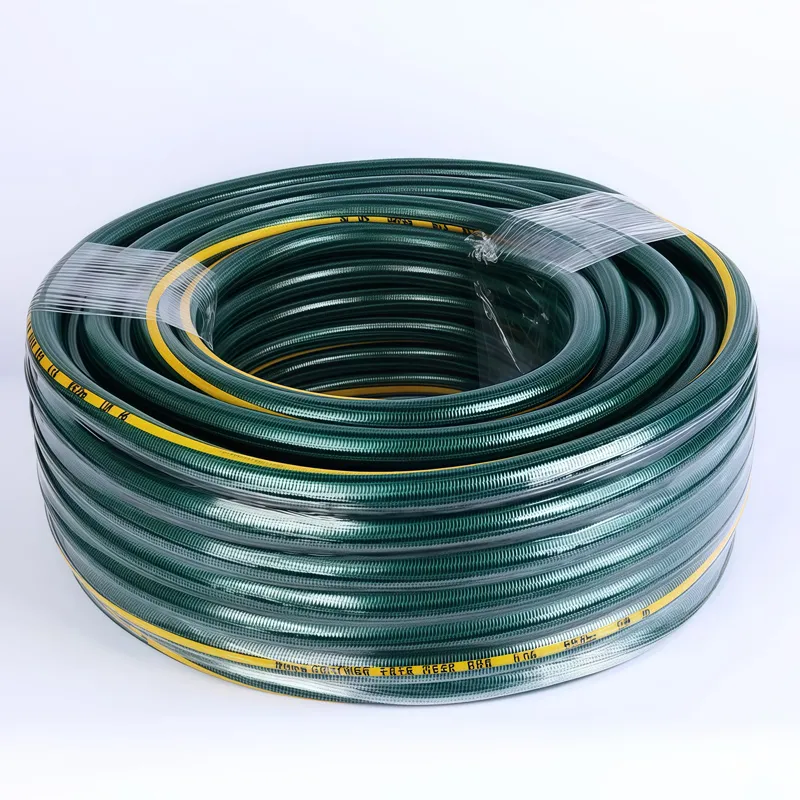
A garden hose needs enough water pressure to handle everyday outdoor jobs like watering plants and washing surfaces. When the pressure is low, everything takes longer and the work becomes annoying. A steady, strong flow also helps plants grow well and keeps the garden healthy.
If you want to know how to Increase garden hose water pressure, you are in the right place. This blog shares 15 practical methods to boost flow and make gardening easier.
Understanding the Importance of Water Pressure
Water pressure in your garden hose has a big impact on how well you water plants and handle outdoor cleaning. When the pressure is strong enough, jobs finish faster and the results are better. Here are the main reasons water pressure matters.
Effective watering
Good pressure helps water reach all areas of the garden. It also pushes water into the soil so roots get hydrated well. With steady moisture, plants absorb what they need and grow stronger with better blooms.
Better soil moisture balance
Proper pressure supports even watering. If the pressure drops or changes often, some areas stay dry while others get too much water. Keeping soil moisture consistent helps seeds sprout, roots expand, and plants stay healthy.
More control over irrigation
Plants do not all need the same amount of water. With adequate pressure, you can use tools like adjustable nozzles and soaker hoses to match the flow to each plant. This improves accuracy and reduces wasted water.
Faster, more effective cleaning
Water pressure also matters for cleaning tasks at home. Washing a car, rinsing a fence, or removing dirt from hard surfaces is easier when the flow is strong. Higher pressure lifts grime quicker and saves effort.
Better performance from equipment
Many tools work best within a certain pressure range, including sprinklers, drip systems, and pressure washers. Using the correct pressure helps them run properly and deliver the results they are designed for.
Benefit
How Water Pressure Helps
Effective watering
Pushes water deeper into soil so roots absorb moisture properly
Better soil moisture balance
Prevents dry spots and overwatering in different areas
More control over irrigation
Supports adjustable nozzles, soaker hoses, and drip systems
Faster outdoor cleaning
Removes dirt and grime more quickly from hard surfaces
Better equipment performance
Allows sprinklers and irrigation tools to work as designed
15 Ways to Increase Garden Hose Water Pressure
Now that the value of good water pressure is clear, here are 15 practical ways to increase the flow from your garden hose.
Category
Methods Included
Hose maintenance
Cleaning, fixing leaks, removing blockages
Hose setup
Shorter length, larger diameter, removing kinks
Accessories
Nozzles, regulators, fittings
Water source
Improving supply, installing booster pump
Storage & protection
Hose reels, insulation, proper storage
1.Clean and clear the hose
Dirt, sand, and sediment can build up inside a hose over time. Check it often and flush it out so water can move freely.
2.Look for leaks and fix them
Even a small leak can drop pressure fast. Inspect the hose and repair weak spots with a repair kit, or replace the damaged section. Store the hose the right way to avoid cracks and future leaks.
3.Switch to a high-pressure nozzle
A quality nozzle can improve how strong the spray feels at the end of the hose. Many models include adjustable settings, so you can change the pattern for different tasks.
4.Choose a larger-diameter hose
A wider hose can carry more water at once. Moving from a standard size to a larger diameter often improves flow and overall performance.
5.Adjust pressure at the spigot
A pressure regulator at the hose bib can help keep flow steady. It also reduces sudden swings that can make pressure feel inconsistent.
6.Remove twists and kinks
Kinks act like pinch points and restrict the stream. Straighten the hose fully before use, and keep it from bending sharply around corners.
7.Use gravity when it helps
If you are watering something above ground level, try positioning the hose to take advantage of gravity. Even a small change in height can help water reach hanging baskets or raised areas more easily.
8.Keep hose length as short as possible
Long hoses create more friction and can lower pressure by the time water reaches the end. Use only the length you need, and remove extra sections when possible.
9.Improve your water source
Sometimes the issue starts before the hose. If your home’s main supply is weak, your hose will always struggle to perform well.
10.Install a booster pump
In places with consistently low pressure, a booster pump can make a major difference. It raises pressure and helps deliver a more reliable flow for outdoor work.
11.Compare different pressure regulators
Not all regulators work the same way. Try one that matches your setup so you can maintain a stable pressure level without constant adjustments.
12.Store the hose on a reel or hanger
A reel or hanger keeps the hose neat and reduces tangles. Fewer tangles mean fewer kinks, and that helps protect pressure over time.
13.Insulate the hose in cold weather
Cold conditions can cause freezing, which blocks water and lowers pressure. Insulation helps prevent ice buildup and keeps water moving in winter.
14.Clean or replace fittings
Dirty or corroded fittings can restrict flow at the connection points. Clean them regularly, and replace worn fittings to keep the connection strong and open.
15.Remove anything blocking the hose
Make sure the hose is not buried under soil, pressed by heavy objects, or tangled in plants. A clear path helps water travel without resistance.
Use these tips together to keep your hose pressure high and your water flow steady whenever you need it.
Regularly Monitoring Water Pressure
Checking your water pressure on a regular basis can save you time, water, and hassle. When you pay attention to the flow, you can spot changes early instead of finding out only when a task becomes difficult.
A sudden pressure drop often points to a problem such as a leak, a clog, or an issue somewhere in the plumbing. Fixing the cause quickly helps keep water pressure steady for gardening and home use. It also protects your hose, nozzle, and other watering tools from extra strain and avoidable damage.
Sign
Possible Cause
Action
Sudden pressure drop
Leak or burst hose
Inspect and repair immediately
Gradual pressure loss
Dirt buildup or clog
Flush hose and clean fittings
Uneven flow
Kinks or blocked connectors
Straighten hose and check joints
Weak pressure everywhere
Low main supply
Test with gauge or consider pump
Conclusion
A strong, steady garden hose flow helps your plants thrive and keeps outdoor jobs easier. By using the 15 methods covered earlier, you can improve pressure, water more efficiently, and waste less.
Achieving a perfectly green, healthy lawn requires consistent and even watering across every inch of your yard. A rotary sprinkler offers the ideal solution for homeowners seeking efficient, circular coverage without manual intervention. These automatic irrigation devices rotate continuously, distributing water in a 360-degree pattern that eliminates dry spots and reduces water waste. Whether you’re […]
Paint Guns vs. Car Wash Guns: Know the Difference When sourcing equipment, clarity is everything. A spray gun for car applications generally falls into two distinct categories: tools for applying paint and tools for deep cleaning. Mixing these up leads to poor results and wasted budget. As a manufacturer focused on industrial-grade cleaning solutions, I want to […]
We use cookies to enhance your browsing experience, serve personalised ads or content, and analyse our traffic. By clicking "Accept All", you consent to our use of cookies.