Choosing between a reinforced PVC hose vs. rubber hose can feel tricky—especially when durability, flexibility, and cost all matter. Whether you’re watering your garden, setting up irrigation, or handling heavy-duty tasks, the right hose makes a world of difference. In this post, you’ll discover what sets these two popular hose types apart, helping you pick the perfect match for your needs without any guesswork. Let’s cut through the noise and get straight to the facts!
Understanding the Basics: Reinforced PVC Hose vs. Rubber Hose
What is a Reinforced PVC Hose?
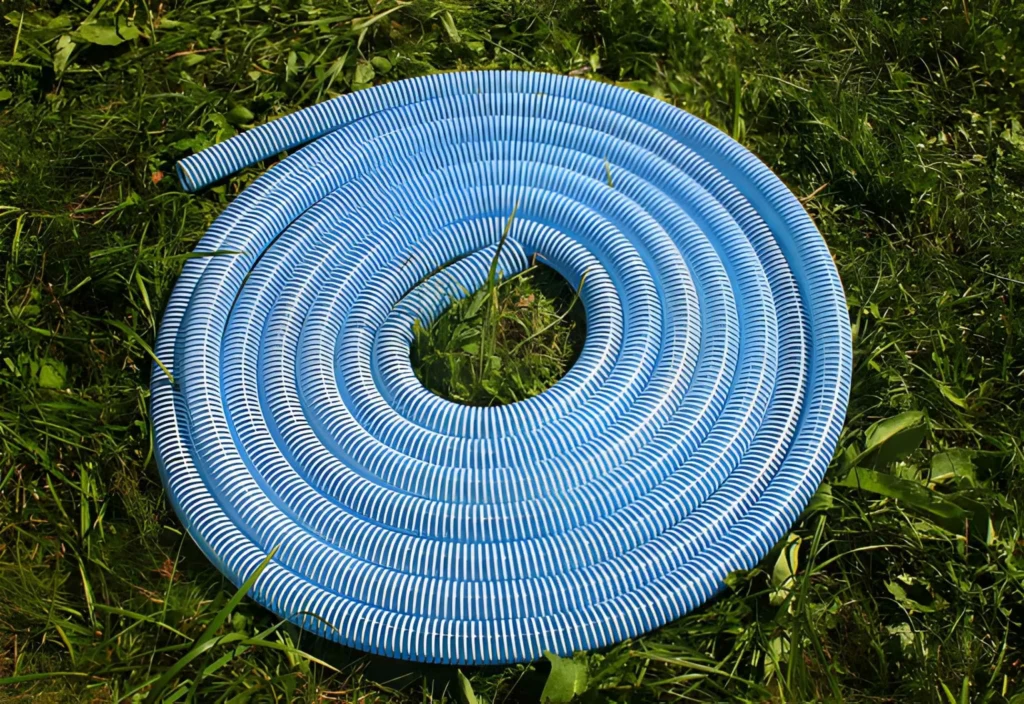
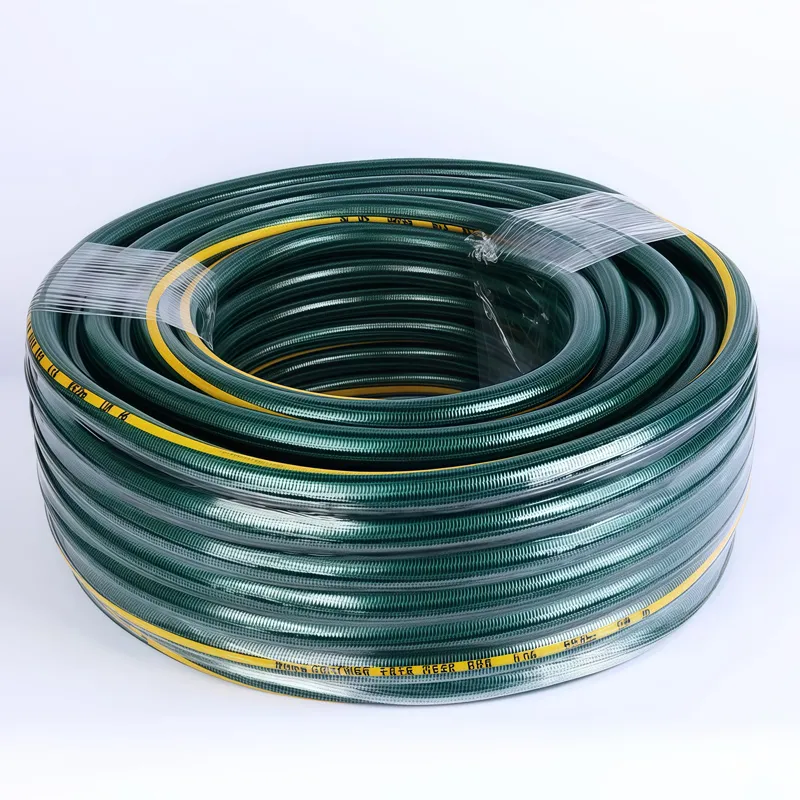
A reinforced PVC hose is made primarily from polyvinyl chloride (PVC) combined with strong polyester or nylon braid reinforcement. This reinforcement helps the hose maintain shape and adds durability without adding much weight. These hoses are known for being:
Lightweight and easy to maneuver
Affordable compared to rubber hoses
Kink-resistant in moderate conditions, making them ideal for everyday garden tasks
Resistant to some chemicals and corrosion, suitable for general use
Their material composition makes them a popular choice for casual gardeners or anyone looking for a budget-friendly and versatile garden hose.
What is a Rubber Hose?
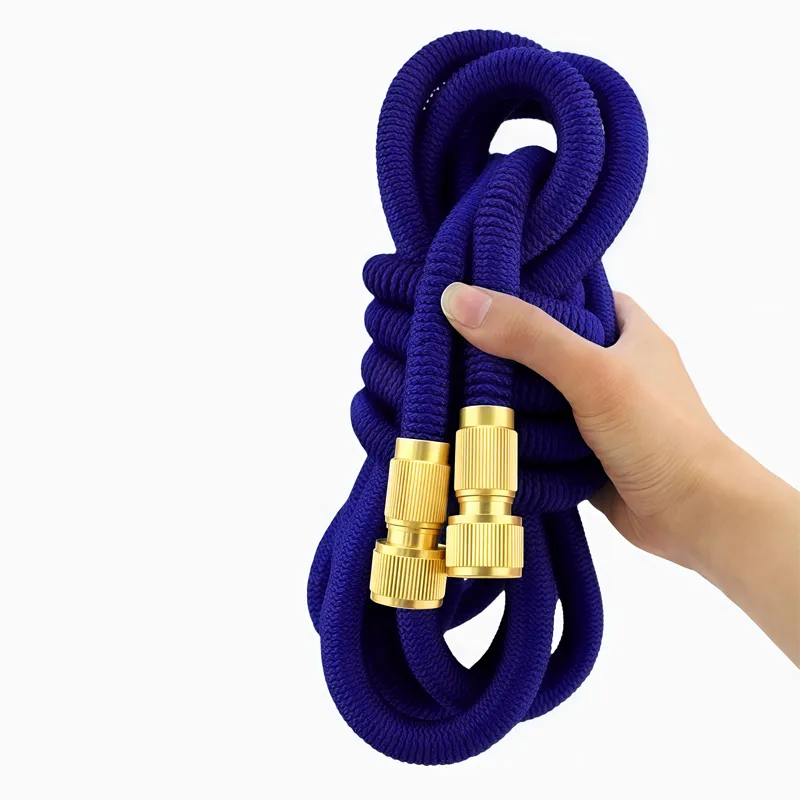
Rubber hoses are crafted from natural or synthetic rubber, often with added fabric or tire-cord reinforcement for extra strength and flexibility. These hoses offer:
Heavy-duty durability, designed for tough jobs and frequent use
Excellent flexibility across a wide range of temperatures, from hot to freezing cold
Superior resistance to abrasion, UV rays, and high pressure
Rubber hoses tend to be heavier than reinforced PVC but deliver long-lasting performance, especially in demanding conditions.
Why Reinforcement Matters in Both Types
Reinforcement is the key to improving the strength and lifespan of both PVC and rubber hoses. Without it, hoses can easily kink, burst, or wear out quickly. The braided nylon or polyester in PVC hoses boosts resistance to pressure and kinks, while the fabric or tire cords in rubber hoses enhance durability and flexibility under stress.
Understanding these materials and reinforcements helps you choose the right hose for your needs, whether you want lightweight convenience or rugged, all-season reliability.
Key Differences: Reinforced PVC Hose vs. Rubber Hose
Here’s a quick side-by-side breakdown comparing reinforced PVC hoses and rubber hoses across important factors:
Feature
Reinforced PVC Hose
Rubber Hose
Durability & Lifespan
Moderate lifespan; less durable under heavy use
Long-lasting; stands up to rough conditions
Flexibility & Kink Resistance
Flexible in warm weather; good kink resistance
Superior flexibility in all temperatures; very kink-resistant
Weight & Handling
Lightweight and easy to move
Heavier and bulkier, harder to coil
Temperature Resistance
Can get brittle and stiff in cold weather
Handles hot and cold extremes well
UV & Abrasion Resistance
Lower UV resistance; prone to faster wear
High UV and abrasion resistance
Pressure & Burst Strength
Suitable for moderate pressure tasks
Handles higher pressure and bursts
Cost & Value for Money
More affordable; great for budget buyers
Higher upfront cost but longer lifespan
Environmental & Drink-Safe Options
Some PVC hoses are drink-safe but less eco-friendly
Often more eco-friendly; many drink-safe options
This table offers a clear view of what each hose type is best suited for, whether it’s for light gardening or heavy-duty tasks. Remember, choosing the right hose depends on where and how often you plan to use it. If you’d like detailed guidance on picking the perfect garden hose, check out our comprehensive garden hose buying guide for expert tips.
Pros and Cons of Reinforced PVC Hoses
Advantages
Lightweight and easy to maneuver: Reinforced PVC hoses are much lighter than rubber ones, making them great for quick gardening tasks and easy storage.
Affordable pricing: They offer good value for money, perfect for budget-conscious buyers who need a reliable hose without breaking the bank.
Good kink resistance in warm conditions: Thanks to the polyester or nylon braid reinforcement, these hoses resist kinks well during typical use in moderate to warm climates.
Resistant to some chemicals and corrosion: Reinforced PVC hoses handle exposure to mild chemicals and waterborne corrosion better than many rubber options.
Disadvantages
Becomes stiff or brittle in cold weather: PVC material tends to harden when temperatures drop, making the hose less flexible and more prone to cracking.
Lower UV resistance leading to faster degradation: Prolonged sun exposure can degrade PVC hoses quicker than rubber, so they may need replacing sooner if left outdoors.
Limited lifespan in heavy-use scenarios: For frequent or heavy-duty gardening, PVC hoses wear out faster compared to more durable rubber hoses.
If you’re looking for everyday garden use with good affordability and light handling, reinforced PVC hoses fit well. For more durable options, check out durable reinforced PVC hoses available for everyday gardeners, which balance cost and performance effectively.
Pros and Cons of Rubber Hoses
Advantages
Rubber hoses stand out for their superior flexibility in extreme temperatures, making them ideal for both hot summers and freezing winters. They offer excellent durability and abrasion resistance, which means they handle rough surfaces and heavy use without wearing out quickly. Rubber hoses also perform better under high-pressure conditions and frequent use, making them a top choice for demanding tasks. Overall, they typically have a longer lifespan compared to reinforced PVC hoses, providing reliable performance season after season.
Disadvantages
On the downside, rubber hoses are heavier and bulkier, which can make them harder to coil and store, especially in smaller spaces. They usually come with a higher upfront cost, reflecting their durability and quality. Additionally, rubber hoses can develop memory coils over time, where they retain bends or kinks from being coiled improperly, potentially making them less flexible until fully straightened.
These features make rubber hoses a solid investment for gardeners and professionals who need an all-season garden hose that lasts, even if it means handling a bit more weight and storage effort.
When to Choose Reinforced PVC Hose
Reinforced PVC hoses are perfect if you’re after a lightweight, budget-friendly option for light-duty gardening. They work well for occasional use, especially in warm climates where flexibility and UV resistance aren’t pushed to the limit. Plus, these hoses are easy to store since they’re less bulky compared to rubber hoses.
Best for:
Light gardening tasks
Occasional watering
Budget-conscious buyers
Warm weather use
Simple storage and handling
Real-world uses:
Task
Why Reinforced PVC Works
Watering flower beds
Lightweight, easy to maneuver
Washing cars
Affordable and kink-resistant
Small lawn watering
Convenient for occasional use
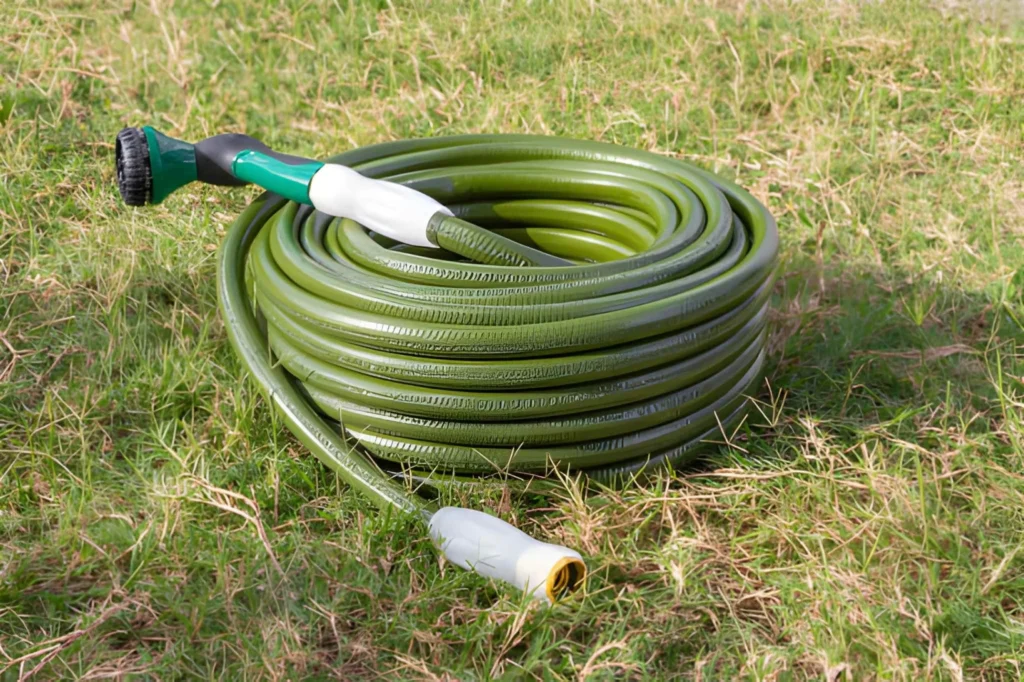
For everyday gardeners, reinforced PVC garden hoses offer reliable performance without breaking the bank. If you want more details on durable and affordable options, check out Qiyi Garden Tools’ grass-green PVC garden hose ideal for landscaping and lawn care.
When to Choose Rubber Hose
Rubber hoses are your go-to for tough jobs and all-season use. They shine in cold winters and hot summers, staying flexible when reinforced PVC might stiffen up. If you’re into frequent gardening or professional landscaping and need a hose that can handle high water pressure, rubber hoses are the reliable choice.
Best for:
Heavy-duty gardening and landscaping
Year-round use in cold or hot climates
Professional or frequent watering tasks
High-pressure irrigation systems
Real-world examples:
Task
Why Rubber Hose Fits
Large yards
Durable for long stretches and tough terrain
Irrigation systems
Handles high water pressure consistently
Commercial landscaping
Stands up to frequent use and weather changes
For a robust option, consider the heavy-duty rubber PVC garden hose from Qiyi Garden Tools, built for reliability and long use across seasons. If you need something that resists heat and pressure daily, their industrial-grade rubber hose is worth a look.
Maintenance and Care Tips for Both Types
Taking good care of your reinforced PVC hose or rubber hose can make a big difference in how long they last and perform. Here are some simple maintenance tips to keep them in top shape:
Proper Storage: Always drain your hose completely after use to prevent water from freezing inside or causing mold. Coil it loosely to avoid kinks or permanent bends. Store your hose in a shaded spot or indoors to protect it from harsh sunlight, which can degrade both PVC and rubber materials over time.
Cleaning: Rinse your hose regularly to remove dirt, debris, and any chemical residues that might cause wear. For reinforced PVC hoses, avoid harsh solvents that can weaken the material. Rubber hoses can handle mild soap but avoid abrasive cleaning tools.
Winterizing: Before cold weather sets in, store your hose inside to prevent brittleness or cracking—especially important for reinforced PVC hoses that stiffen in low temperatures. Rubber hoses handle cold better but still benefit from indoor storage in freezing climates.
When to Replace: Check for common signs like cracks, leaks, stiff or brittle sections, and reduced water flow. If your hose shows frequent kinks that won’t straighten or visible damage, it’s time to upgrade. Investing in quality replacements like a durable reinforced PVC or a heavy-duty rubber hose can save you trouble in the long run.
For easy storage solutions, consider options like the large water pipe storage cart, which helps keep your hose organized and out of the sun. Maintaining your hose well ensures you get the best value and longest possible lifespan from your garden hose investment.
Top Recommendations from Qiyi Garden Tools
When choosing between reinforced PVC hoses and rubber hoses, Qiyi Garden Tools offers reliable options tailored to your gardening needs. For everyday use, we recommend durable reinforced PVC hoses that are lightweight, affordable, and resistant to mild wear. These hoses are perfect for casual watering tasks and come in various lengths and diameters to fit your garden setup. You can explore our flexible and durable reinforced PVC hoses designed specifically for daily watering and light garden care here.
If you need a hose built for long-term reliability, especially in tough conditions or frequent use, our premium rubber hoses are an excellent choice. They handle high pressure well, stay flexible in extreme temperatures, and resist abrasions better than most. For a detailed comparison and to find the right balance between PVC and rubber options, check out our comprehensive PVC vs. rubber garden hose guide.
Factors to Consider When Buying
Length: Choose a hose length that covers your entire garden without stretching or straining.
Diameter: Common sizes like 5/8″ offer good water flow, but larger diameters are better for high-pressure needs.
Fittings: Look for durable connectors made from brass or heavy-duty plastic for leak-free performance.
Use case: Light-duty tasks suit reinforced PVC’s lightweight design, while heavy-duty and all-season work calls for rubber hoses.
With the right choice from Qiyi Garden Tools, you can maximize the lifespan and convenience of your garden hose, making watering easier no matter the season.
Table of Contents Achieving a lush, green garden without wasting water or spending hours with a hose is a goal for every gardener, and the secret often lies in the hardware you choose. A multi hole water rotating nozzle is a transformative tool designed to bridge the gap between simple hand-watering and expensive underground systems. […]
Discover durable heavy duty PVC garden hoses with reinforced braided design high burst pressure and kink-resistant flexibility for all your watering needs
High-Pressure vs. Low-Pressure: Picking Your Power When sourcing or manufacturing a Car wash spray gun, the first variable we analyze is the power source. There is a massive engineering difference between a tool designed for a municipal water tap and one built for an industrial pressure pump. As a factory-direct supplier, we see buyers frequently confuse […]
We use cookies to enhance your browsing experience, serve personalised ads or content, and analyse our traffic. By clicking "Accept All", you consent to our use of cookies.