Garden Tools
Durable Flexible PVC Hoses Guide for Gardening and Home Use
Discover durable flexible PVC hoses ideal for gardening and irrigation with kink resistance lightweight design and clear options for versatile use
Read More
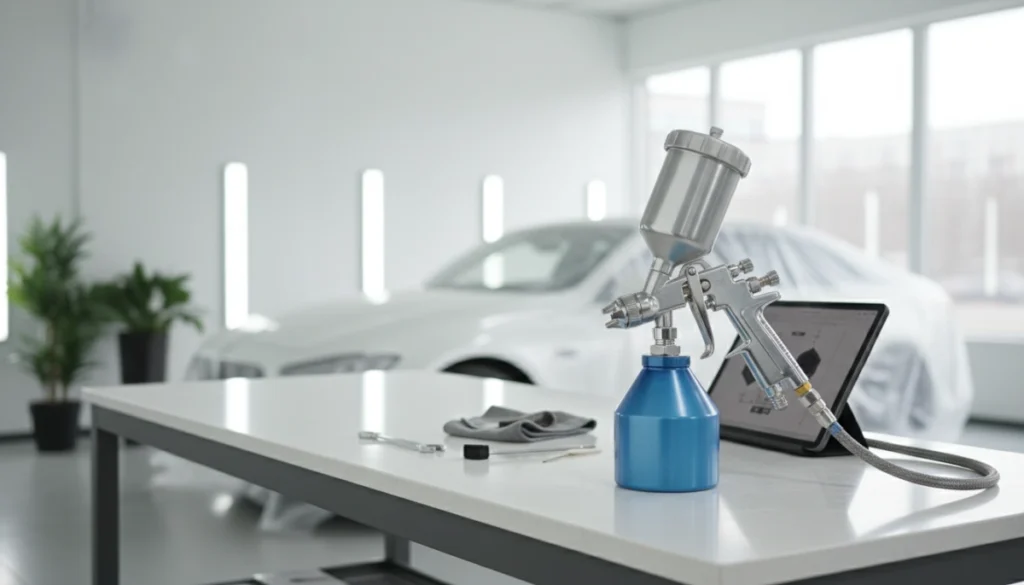
When sourcing equipment, clarity is everything. A spray gun for car applications generally falls into two distinct categories: tools for applying paint and tools for deep cleaning. Mixing these up leads to poor results and wasted budget. As a manufacturer focused on industrial-grade cleaning solutions, I want to ensure you are choosing the right equipment for the job.
The mechanics behind these tools are fundamentally different. An HVLP (High Volume Low Pressure) gun is designed to atomize paint using compressed air, creating a fine finish on vehicle bodywork. In contrast, a high-pressure car wash gun utilizes water pressure—often supplied by a pressure washer—to blast away dirt and grime.
At our factory, we specialize in the latter: robust industrial grade water guns designed to handle significant fluid force. Unlike paint guns that require delicate air compressors, our wash guns are engineered to withstand the rigors of high PSI water flow without leaking or bursting.
You cannot simply repurpose a garden nozzle or a paint tool for professional auto detailing. A dedicated car wash spray gun is built with specific materials like heavy-duty rubber, PVC, and NBR (Nitrile Rubber) to resist wear and tear.
Key Differences at a Glance:
| Feature | Paint Spray Gun (HVLP) | Car Wash Spray Gun |
|---|---|---|
| Primary Medium | Paint / Clear Coat | Water / Soap Solution |
| Power Source | Air Compressor | Pressure Washer / Water Pump |
| Pressure Type | Low Pressure (Air) | High Pressure (Fluid) |
| Material Focus | Precision Metal / Plastic | Impact-Resistant Rubber / PVC |
| Primary Goal | Surface Refinishing | Deep Cleaning & Detailing |
Using an underpowered nozzle or the wrong type of sprayer results in inefficient cleaning and potential damage. A standard garden attachment often lacks the pressure rating needed for effective foam cannon use or heavy grime removal.
We design our auto detailing spray nozzle systems to be user-centric and durable. Whether it is resisting high temperatures or surviving accidental drops on concrete, professional-grade equipment ensures the job gets done efficiently. Investing in the correct spray gun for car washing means faster turnover times for detailers and a longer lifespan for the equipment.
When we manufacture a spray gun for car detailing, we focus on longevity and performance. A professional tool is vastly different from the disposable nozzles found in bargain bins. The core difference lies in the build quality and how the tool handles water flow under stress. Whether you are a wholesaler or a professional detailer, understanding these specs ensures you get equipment that lasts.
The most critical factor in a high-pressure car wash gun is the material. Generic options often use brittle plastics that crack when dropped or leak after exposure to sunlight. At our factory, we utilize industrial-grade materials like NBR (Nitrile Rubber) and heavy-duty PVC. These materials provide superior resistance to oil, chemicals, and extreme temperatures.
For a complete setup, pairing a robust gun with a household high-pressure antifreeze garden hose ensures that neither the gun nor the line fails during winter operations.
Material Comparison Table:
| Feature | Industrial Grade (NBR/PVC) | Standard Consumer Plastic |
|---|---|---|
| Impact Resistance | High (Absorbs shock) | Low (Cracks easily) |
| Temperature Tolerance | Excellent (Heat/Cold proof) | Poor (Becomes brittle) |
| Chemical Resistance | High (Resists car soaps) | Low (Degrades over time) |
| Lifespan | Long-term heavy use | Seasonal replacement |
A heavy duty garden hose gun must handle the output of your water source without restricting flow. While our hoses are tested up to 500 PSI, the gun itself needs to manage this pressure effectively. The “sweet spot” for car washing balances cleaning power with paint safety. A pro-grade gun maintains consistent pressure, allowing for effective rinsing without damaging the vehicle’s clear coat.
Comfort is not a luxury; it is a necessity for efficiency. We prioritize an ergonomic spray handle design to reduce user fatigue during long shifts.
Choosing the right equipment means looking for tools that combine these smart mechanisms with upgraded materials, ensuring the task remains simple and efficient.
When setting up a professional spray gun for car washing, the connection points are just as critical as the trigger mechanism itself. You cannot afford leaks or downtime fumbling with mismatched threads during a job. Ensuring your equipment uses universal, industrial-grade fittings is the first step toward a leak-free wash experience.
In the detailing industry, speed is everything. That is why the 1/4 inch quick release hose fitting has become the global standard. Unlike old-school threaded connections that require time to screw on and off, quick connects allow you to switch between a foam cannon and a rinse nozzle in under two seconds. For our OEM partners, we ensure these stainless steel or brass fittings are machined to precise tolerances. This prevents the “wobble” and pressure loss often found in cheaper, generic units, ensuring a tight seal every time you snap a new attachment into place.
Nothing ruins a detail job faster than a wrestling match with a stiff, twisted line. This is where the swivel connector becomes a massive advantage. It acts as an anti-kink hose connection, allowing the gun to rotate freely 360 degrees without twisting the supply line. This simple addition significantly reduces wrist fatigue and protects the hose structure from internal damage caused by constant torque. By integrating a live swivel at the inlet, the operator can move around the vehicle smoothly without having to stop and untangle the line.
Your spray gun is only as effective as the line feeding it. You need a hose that balances flexibility with high burst pressure to handle the output of modern pressure washers. Using a strictly tested PVC garden high elastic hose ensures that the water flow remains consistent even when maneuvering around tires and bumpers. We design our systems so the gun, fitting, and hose work as a unified unit, capable of withstanding the rigors of daily commercial use without bursting or leaking.
A professional spray gun for car washing is only as good as the accessories you pair with it. To achieve a showroom finish, you need to move beyond a single stream of water. We design our systems to be modular, allowing you to switch between tasks instantly using quick-connect fittings.
The secret to a scratch-free wash is proper lubrication before you start scrubbing. Attaching a foam cannon attachment to your spray gun is non-negotiable for serious detailing. This setup mixes soap, air, and water to create a thick “snow foam” that clings to the vehicle’s surface.
This foam encapsulates dirt and road grime, lifting it safely off the paint. Most of our guns utilize a standard 1/4-inch quick release, allowing you to snap a foam cannon on and off in seconds. It transforms the washing process from a chore into a safe, efficient, and satisfying maintenance routine.
Using the wrong pressure angle can disastrously damage clear coats or rubber seals. An auto detailing spray nozzle kit typically uses a universal color-coding system to indicate the spray angle. Here is what you need to know to protect your vehicle:
Having an adjustable spray pattern is vital, but technique is equally important. Always keep the nozzle at least 12 inches away from the surface to prevent pressure damage. Start rinsing from the roof and work your way down to ensure dirty water doesn’t flow over clean areas.
Consistency in water flow is key to preventing the pump from surging, which can cause erratic pressure spikes at the gun tip. We recommend pairing your spray gun with a thickened PVC hose for high-pressure use to ensure a steady, reliable flow rate throughout the wash. This combination gives you total control, ensuring the safety of the vehicle’s finish while maximizing cleaning power.
Even the most rugged spray gun for car washing requires proper care to maintain peak performance. As a manufacturer, we build our tools with industrial-grade durability, but neglecting basic maintenance will shorten the lifespan of any equipment. Treating your gear right ensures it remains a reliable asset for your detailing business or home garage.
Soap residue is the silent killer of detailing gear. When you finish using a foam cannon, chemical deposits can dry inside the manifold and clog the nozzle. Always flush the system with clean water for at least 30 seconds after every use. Using a clean source from a yellow high-strength PVC hose ensures that no debris enters the gun during this rinse cycle, keeping the internal valves moving freely.
Freezing temperatures can destroy a high-pressure car wash gun overnight. Water left inside expands when frozen, cracking the internal plastic or metal components.
Leaky connections usually stem from dried-out or damaged O-rings on your quick release hose fitting. These small rubber seals endure high pressure and friction. Inspect them regularly for tears. If the connection feels stiff, apply a small amount of silicone grease to the O-ring. This simple step prevents annoying leaks and ensures a watertight seal every time you wash.
Finding a reliable manufacturing partner is the backbone of a successful hardware or automotive accessory business. As a factory-direct supplier, we understand that consistency, customization, and competitive pricing are what drive sales in the global market.
Standing out in a crowded market requires more than just generic stock. We provide comprehensive OEM car wash tools services, allowing you to customize the design, color, and packaging of your spray gun for car inventory. This empowers you to build a distinct brand identity that customers recognize and trust. For instance, versatile models like our pagoda-shaped adjustable direct spray car wash gun can be fully tailored to match your specific brand aesthetics and market requirements.
Quality control is non-negotiable when dealing with high-pressure equipment. Our manufacturing process is ISO9001 certified, ensuring that every industrial grade water gun meets rigorous international standards before it ships. This certification guarantees:
Sourcing directly from us eliminates unnecessary middlemen, offering you a significant competitive edge. You secure better pricing structures and gain direct access to our technical team for product development. Whether you are a large car detailing equipment supplier or a specialized retailer, factory-direct sourcing ensures faster lead times and clear communication regarding your specific requirements for a heavy duty garden hose gun or automotive sprayer.
It depends entirely on the design of the spray gun for car applications. A dedicated high-pressure gun usually requires a pressure washer and specific quick-connect fittings (like 1/4″ plugs) to function correctly; these will not attach directly to a standard spigot. However, for wash setups without a machine, we manufacture industrial-grade car wash hose nozzles that pair perfectly with a standard PVC garden hose for car washing. Always verify the inlet connection type—threaded vs. quick connect—before purchasing to ensure your equipment matches.
Selecting the correct PSI rating for car wash tasks is the difference between a clean vehicle and damaged paint.
Even when using our durable NBR (Nitrile Rubber) components, wear and tear is inevitable. For professionals using a heavy duty garden hose gun daily, we recommend a quick inspection once a month. For casual home users, checking seals at the start of the spring season is usually sufficient. If you notice any dripping near the swivel or trigger, replace the O-ring immediately to prevent pressure loss and water waste.
Discover durable flexible PVC hoses ideal for gardening and irrigation with kink resistance lightweight design and clear options for versatile use
Read More
Table of Contents Achieving a lush, green garden without wasting water or spending hours with a hose is a goal for every gardener, and the secret often lies in the hardware you choose. A multi hole water rotating nozzle is a transformative tool designed to bridge the gap between simple hand-watering and expensive underground systems. […]
Read More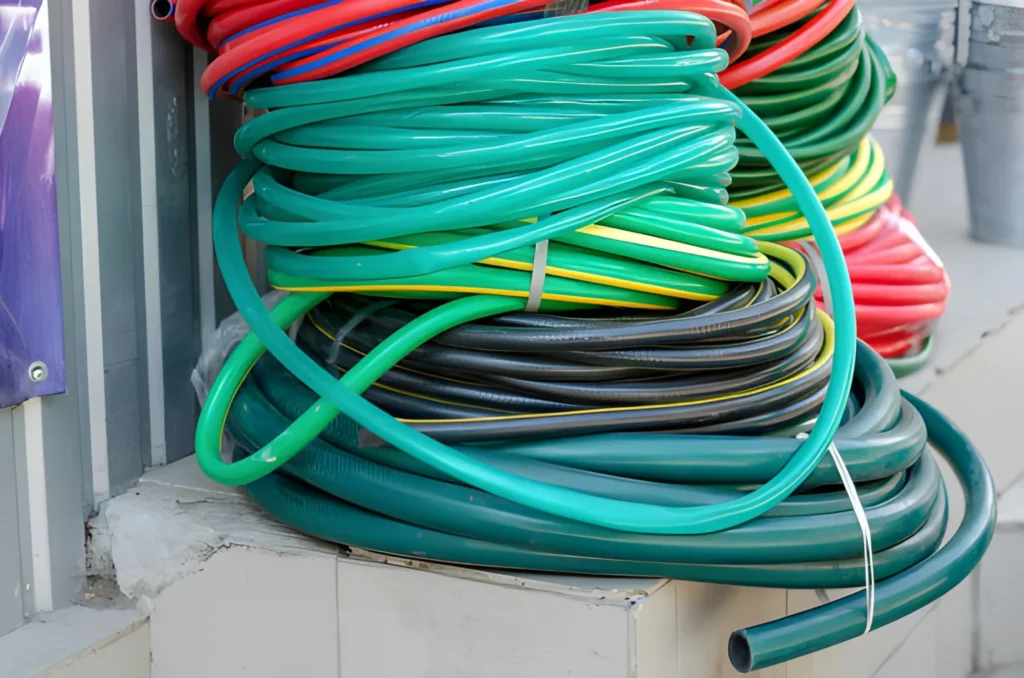
Discover durable reinforced PVC hoses offering kink resistance, high pressure tolerance, UV protection, and flexible garden and industrial use.
Read More