Garden Tools
Durable Reinforced PVC Hose Guide for Garden and Industrial Use
Discover durable reinforced PVC hoses offering kink resistance, high pressure tolerance, UV protection, and flexible garden and industrial use.
Read More
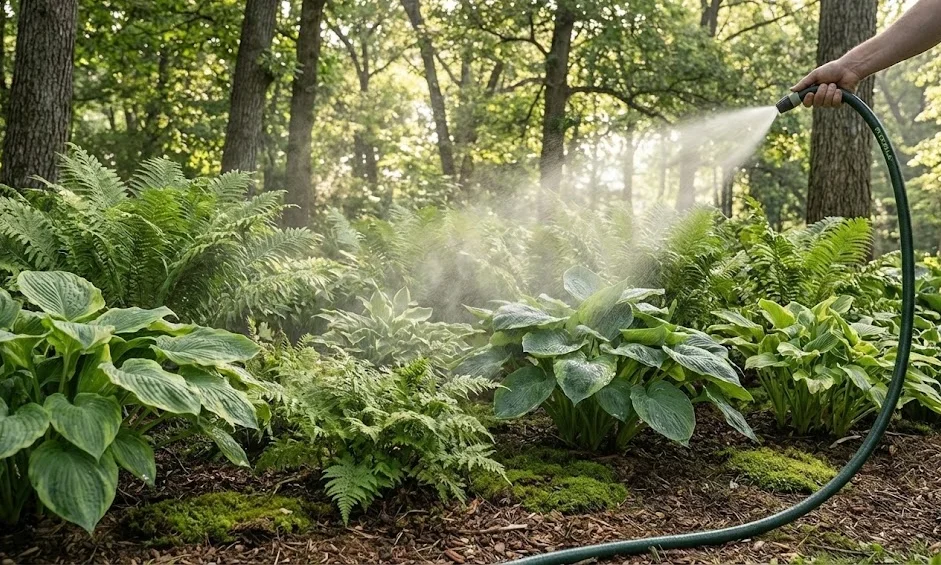
If you grow seedlings, ferns, shade-loving perennials, or tender foliage plants, the best garden hoses for sensitive plants are the ones that deliver soft, low-pressure water instead of harsh, damaging jets. The right hose and nozzle combination can prevent soil from splashing, protect delicate leaves, and keep root zones evenly moist without drowning them. For example, a flexible PVC option like the PVC Garden High Elastic Hose or a versatile Multifunctional Hose can form the backbone of a gentle watering setup for sensitive plants in beds and containers.
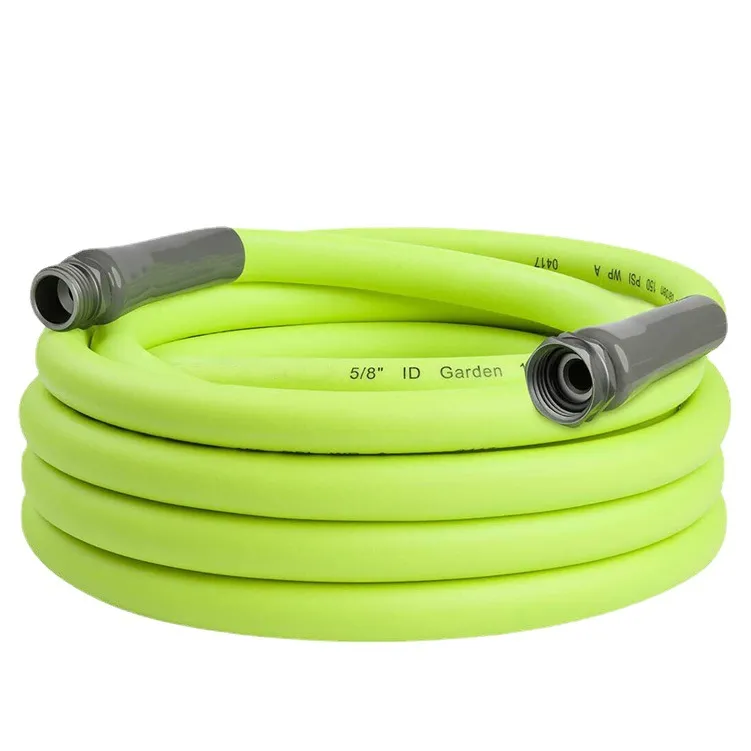
This guide explains how to choose the best garden hoses for sensitive plants, what low-pressure watering techniques work in real gardens, and how to combine hoses with soft-spray nozzles or sprinklers to create plant-safe irrigation zones. By the end, you will know exactly how to avoid leaf scorch, root rot, and soil erosion while still keeping your plants hydrated and thriving.
The best garden hoses for sensitive plants matter because fragile foliage and shallow root systems react differently to water than tough shrubs or lawn grass. Strong, high-pressure streams can shred petals, bruise leaves, and expose roots by blasting away the top layer of soil. Over time, this kind of watering leads to compaction, poor aeration, and an unhealthy growing environment that is especially hard on seedlings and fine-rooted species.
When you choose the best garden hoses for sensitive plants, your goal is to slow the water down before it reaches the soil surface. A hose that cooperates—stays flexible, works well with flow-controlling nozzles, and does not kink easily—makes it simple to maintain low pressure at the point of contact. Instead of fighting a stiff, buckling hose while trying not to flatten your dahlias, you can move calmly through the garden with a controlled, rain-like flow aimed directly where it is needed.
Well-matched low-pressure equipment also gives you more precise control over how long you water each area. Rather than guessing if your sensitive plants are getting enough, you can build a routine around consistent, gentle application that soaks deeply without flooding. This consistency is exactly what shade plants, woodland perennials, and many edibles prefer.
The best garden hoses for sensitive plants all share a few key features: they are easy to control at low pressure, flexible enough to lay around beds without springing back, and compatible with gentle nozzles or sprinklers. When comparing models, focus less on maximum pressure and more on fine control, comfort, and resistance to sudden surges.
A rigid, hard-plastic hose might survive high pressure, but it is difficult to keep steady and tends to jerk when the tap is opened, which is the opposite of what sensitive plants need. By contrast, the best garden hoses for sensitive plants feel soft in the hand, bend smoothly around corners, and resist kinking so that water flow stays predictable instead of stopping and then bursting free.
To support low-pressure watering techniques, the best garden hoses for sensitive plants must behave well at reduced flow. This means they should maintain a steady trickle or gentle stream when the tap is barely turned on, without flattening, collapsing, or chattering. Hoses with reinforced walls, such as fiber-reinforced PVC, tend to hold their shape better at low pressure, keeping internal diameter consistent so that no sudden pulses occur.
When pairing the best garden hoses for sensitive plants with hardware, look for nozzles or guns that offer multiple soft settings like mist, shower, and flat spray rather than only high-pressure jets. A good example is using a gentle, multi-pattern spray gun with a flexible hose so you can dial in a “shower” pattern over pots or a “mist” pattern over new seedlings. This layout lets you keep overall valve pressure low while still distributing water evenly across the plant canopy.
Because sensitive plants are often grown in loose or highly amended soil mixes, applying water slowly is crucial. A combination of the best garden hoses for sensitive plants and nozzles with built-in flow restrictors allows water to seep into the soil profile instead of running off the surface. In raised beds, this helps maintain structure and prevents nutrient-rich topsoil from washing away.
Material choice plays a major role in how the best garden hoses for sensitive plants perform over time. Softer PVC blends, elastic PVC constructions, and some modern thermoplastic hoses are more likely to stay flexible in cool weather and resist permanent kinks. Reinforced cores, such as fiber or mesh layers embedded in the walls, help maintain shape under bending and keep water flow consistent at low pressure.
The best garden hoses for sensitive plants also tend to have smooth inner walls that reduce turbulence and small pressure spikes. This is especially important when you attach sensitive low-flow devices like misters or micro-sprinklers, which can clog or spray unevenly if fed by a hose that surges repeatedly. Choosing hoses designed for gardening rather than purely industrial use usually means better compatibility with garden fittings and more comfortable outer textures.
Color and UV resistance matter too. Sensitive plants often grow in partly shaded or sheltered areas, but any hose left in the sun can degrade. Hoses with UV-stable outer layers and colors that do not overheat in full sun will last longer and stay softer, making them better candidates for long-term use as the best garden hoses for sensitive plants.
Once you have chosen the best garden hoses for sensitive plants, the next step is learning how to use them in ways that protect foliage and roots. Technique matters as much as equipment. Even a soft hose can cause problems if used at full tap pressure or sprayed directly at fragile leaves.
Low-pressure watering techniques focus on three ideas: soft droplet impact, targeted placement, and enough time for water to soak in. With the best garden hoses for sensitive plants, you can combine these principles using appropriate nozzles, patterns, and schedules.
Nozzle choice can make or break your results, even if you already own the best garden hoses for sensitive plants. Multi-pattern spray heads and gentle garden spray guns allow you to switch quickly between different flows tailored to each planting area. For sensitive foliage, the most useful settings are typically “shower,” “mist,” and “soaker.”
A broad shower pattern spreads water over a wide area with medium-sized droplets, mimicking steady rain. When attached to the best garden hoses for sensitive plants, this pattern is ideal for established perennials and shrubs that tolerate overhead watering but still need a soft touch. Mist settings take gentleness even further, producing a fine spray that is perfect for freshly planted seedlings, ferns, and foliage plants likely to suffer from heavy drops.
Soaker or gentle “stream along the ground” settings work well for low-pressure root-zone watering. Rather than spraying from above, angle the nozzle so that water flows onto the soil between plants, allowing it to infiltrate quietly. Combined with the best garden hoses for sensitive plants, this approach reduces splashback that can spread soil-borne diseases onto leaves.
Even with the best garden hoses for sensitive plants and soft-spray nozzles, timing and duration determine whether plants thrive or struggle. Sensitive plants generally benefit from deep, occasional watering rather than frequent, shallow sprinkles. This encourages roots to grow down into cooler, moister soil layers, making them more resilient to heat and short dry spells.
Early morning is usually the ideal time to use low-pressure watering techniques with the best garden hoses for sensitive plants. Cooler air reduces evaporation, and leaves that do get wet have the entire day to dry, lowering the risk of fungal issues. In very hot climates, a second light watering in the late afternoon may be useful for containers, but try to avoid leaving foliage wet overnight.
To avoid overwatering, count how many seconds or minutes it takes for water to start pooling or running off when using your favorite nozzle pattern with the best garden hoses for sensitive plants. Then cut that time by a small margin and water in two passes, giving the soil a short break between passes to absorb moisture. This simple rhythm often provides a healthier balance than one long, continuous soak.
Creating zones is one of the most powerful ways to make the best garden hoses for sensitive plants work efficiently. Instead of treating the entire yard the same, divide it into areas based on plant needs: one zone for tough shrubs and lawn, another for shade-loving perennials, and a third for seedlings and containers. Each zone then gets its own routine, tools, and sometimes its own dedicated hose.
In a simple hose-based system, you might keep one of the best garden hoses for sensitive plants permanently connected to a soft-spray gun and leave it coiled near your delicate beds. A second, more heavy-duty hose could handle power rinsing, driveway cleaning, and lawn watering. Using quick-connect fittings at the tap makes switching between the best garden hoses for sensitive plants and general-purpose hoses fast and painless.
If your garden is large, consider combining the best garden hoses for sensitive plants with accessories like hose carts, splitters, and short extension pieces. A 25-meter hose on a cart can reach multiple sensitive-plant zones, while shorter feeder hoses from a splitter can supply specific beds. This setup allows you to maintain low pressure where it matters while still having enough reach to cover the whole space without dragging hoses through fragile planting areas.
Q1: What makes a hose part of the “best garden hoses for sensitive plants”?
A hose earns that title when it stays flexible at low pressure, resists kinking, and works well with gentle nozzle patterns that protect delicate foliage and soil structure. Durability and compatibility with quick-connect fittings also help make daily watering easier.
Q2: Are expandable hoses among the best garden hoses for sensitive plants?
Some expandable hoses can be gentle enough, but many rely on higher pressure to extend fully and may surge when the tap is opened. For truly sensitive plants, a stable, reinforced hose designed for low-pressure control is usually a safer and more predictable choice.
Q3: Can I use the best garden hoses for sensitive plants with a timer and sprinkler?
Yes, as long as you choose sprinklers or micro-sprinklers designed for soft, low-pressure output. Pairing low-flow heads with the best garden hoses for sensitive plants and a timer can automate gentle irrigation without stressing roots or breaking stems.
Q4: How long should I water sensitive plants with a low-pressure setup?
Duration depends on soil type, plant size, and climate, but a common approach is to water slowly until the top few centimeters of soil are evenly moist, then allow it to partially dry before the next session. Using the same hose, nozzle, and schedule each time makes it easier to fine-tune the exact minutes needed.
Q5: Do I need a special hose for containers, or will any of the best garden hoses for sensitive plants work?
Most of the best garden hoses for sensitive plants work very well for containers, provided you also use a nozzle with a gentle shower or mist setting. Because containers dry out faster, focus on control and convenience: a flexible, kink-resistant hose kept close to your pots is ideal.
Discover durable reinforced PVC hoses offering kink resistance, high pressure tolerance, UV protection, and flexible garden and industrial use.
Read More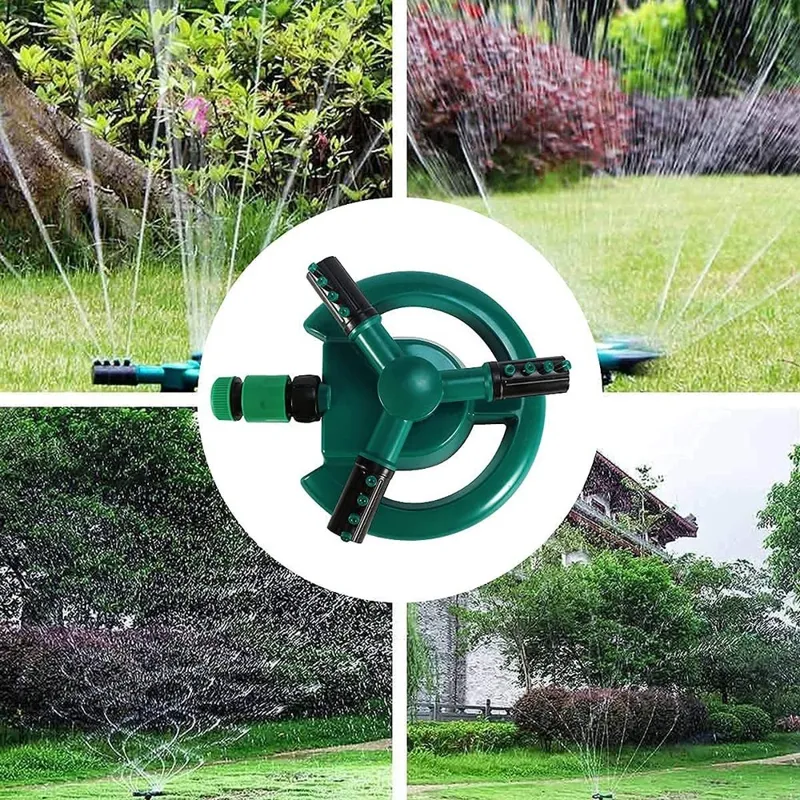
Maintaining a lush, healthy garden requires consistent and efficient watering. Whether you’re a weekend gardener or a landscaping professional, the right irrigation tools can make all the difference. One such tool that has been gaining popularity for its effectiveness and ease of use is the 360 Rotating Sprinkler. In this article, we explore why this sprinkler […]
Read More
The significance of PVC Hoses must be acknowledged across diverse global sectors. These components fulfill critical functions in multiple industries by enabling dependable conveyance of fluids and materials. Applications span agriculture, industrial installations, chemical handling, and HVAC systems. Thus, grasping the basics of PVC hose construction and its variants is imperative. PVC Hoses are renowned […]
Read More