Garden Tools
How to Water Your Garden Efficiently with Eco-Friendly Nozzles
Learn how eco-friendly garden nozzles help you save water and keep plants healthy. Discover tips and start watering your garden efficiently today!
Read More

If you’ve noticed your garden hose water pressure is weak or slow, you’re not alone—and it’s more common than you think. Low pressure can turn simple outdoor chores like watering plants or washing your car into frustrating, time-consuming tasks. But here’s the good news: boosting your hose’s pressure doesn’t have to be complicated or expensive. In this guide, you’ll discover easy, practical ways to improve garden hose water pressure quickly, from simple fixes to smart setup upgrades. Ready to get that strong, steady flow back? Let’s jump right in!
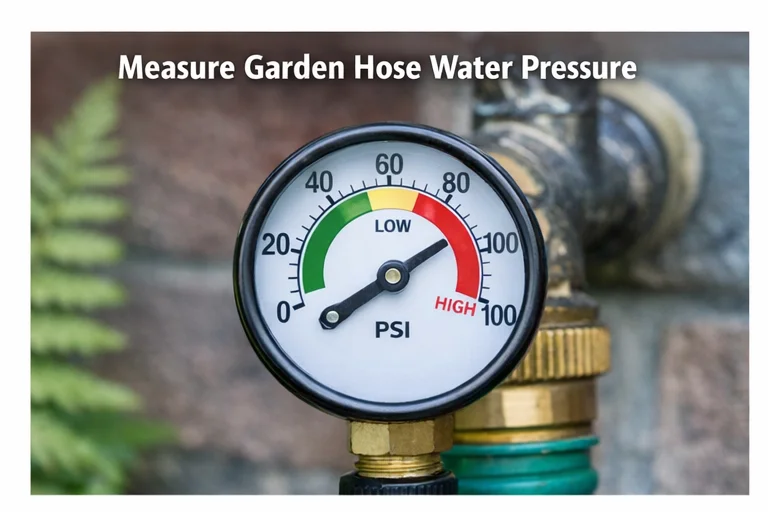
Water pressure in garden hoses is measured in PSI (pounds per square inch). For most outdoor watering tasks, the ideal hose pressure ranges between 40 to 60 PSI. This range ensures a strong, steady flow without causing damage to your hose or plants.
Several factors affect your garden hose pressure:
To accurately measure your garden hose pressure, use a pressure gauge. Attach the gauge to your outdoor spigot or directly to the hose end. This quick check helps you identify low garden hose pressure early and decide on the best fixes. Knowing your hose’s PSI gives you a clear starting point to boost hose water flow and improve overall gardening efficiency.
Low garden hose pressure can be frustrating, and it usually comes down to a few common problems:
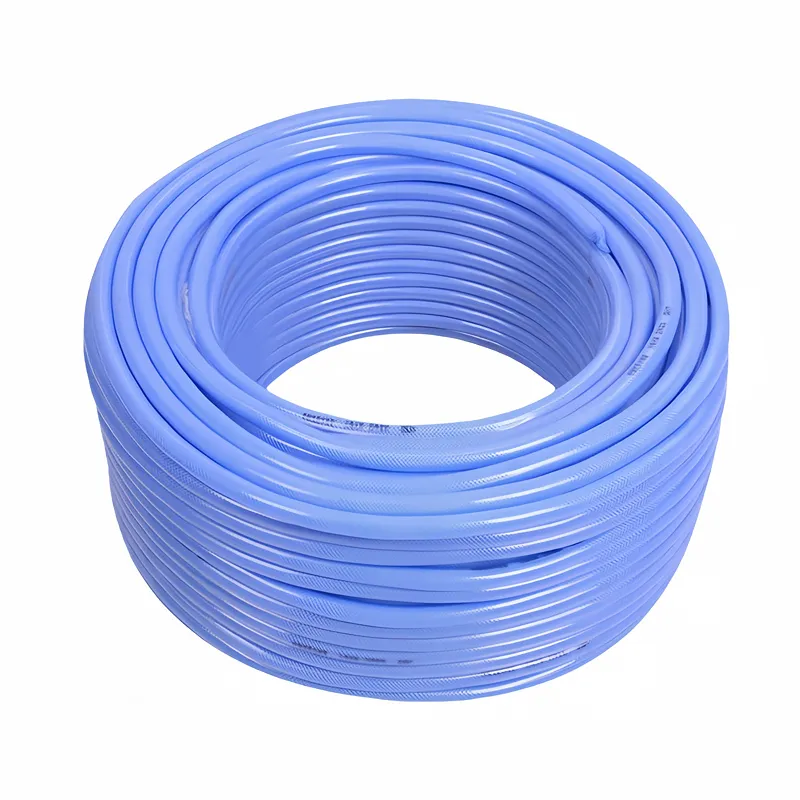
Understanding these causes helps you quickly pinpoint why your garden hose isn’t delivering the pressure you need to boost hose water flow efficiently. For a durable option that stands up to daily use and resists leaks and kinks, consider garden hoses like the flexible and durable Sea Blue PVC garden hose.
If you’re dealing with low garden hose pressure, start with simple fixes that can make a big difference. First, inspect the hose for leaks—even small cracks or holes can reduce water flow. Patch or replace damaged sections to restore pressure.
Next, straighten any kinks and fully uncoil the hose. Kinks and twists block water flow and cause pressure to drop, so laying the hose out flat helps boost hose water flow instantly.
Cleaning the hose interior also helps. Over time, dirt and mineral buildup can clog your hose. Flushing it with clean water or using a flexible brush can clear blockages inside. Don’t forget to clean the nozzle and aerator, as these parts often gather debris—removing and rinsing them under running water improves spray strength.
Lastly, tighten all hose connections and check the outdoor spigot. Loose fittings allow water to escape, lowering pressure at the nozzle. Make sure your spigot valve opens fully and isn’t clogged. Sometimes, a quick twist on fittings or replacing worn washers is enough to increase outdoor faucet pressure noticeably.
If you want a durable hose that resists kinks and stays clear, check out the variety of kink-resistant garden hoses designed for better flow and pressure.
To boost garden hose water pressure, optimizing your hose setup is key. Small changes can make a big difference in water flow and reliability.
| Tip | Why It Helps |
|---|---|
| Choose a shorter hose length | Longer hoses reduce pressure due to friction loss. Shorter hoses maintain stronger flow. |
| Upgrade to a larger diameter hose | Bigger diameter hoses allow more water to flow through with less resistance, increasing pressure at the nozzle. |
| Select kink-resistant durable hoses | Kinks and bends slow water flow. Durable, kink-resistant hoses maintain consistent pressure by preventing flow restrictions. For quality options, check out this yellow high-strength PVC hose. |
| Use multiple shorter hoses instead of one long run | Connecting several shorter hoses instead of one long one can reduce pressure drops caused by friction and improve overall water flow. |
By following these tips, you’ll boost hose water flow and avoid common losses caused by hose length, diameter, and flexibility issues. A better setup means a stronger, more reliable garden hose pressure for watering, washing, or cleaning tasks.
If quick fixes don’t do the trick, there are some advanced solutions to boost your garden hose water pressure effectively:
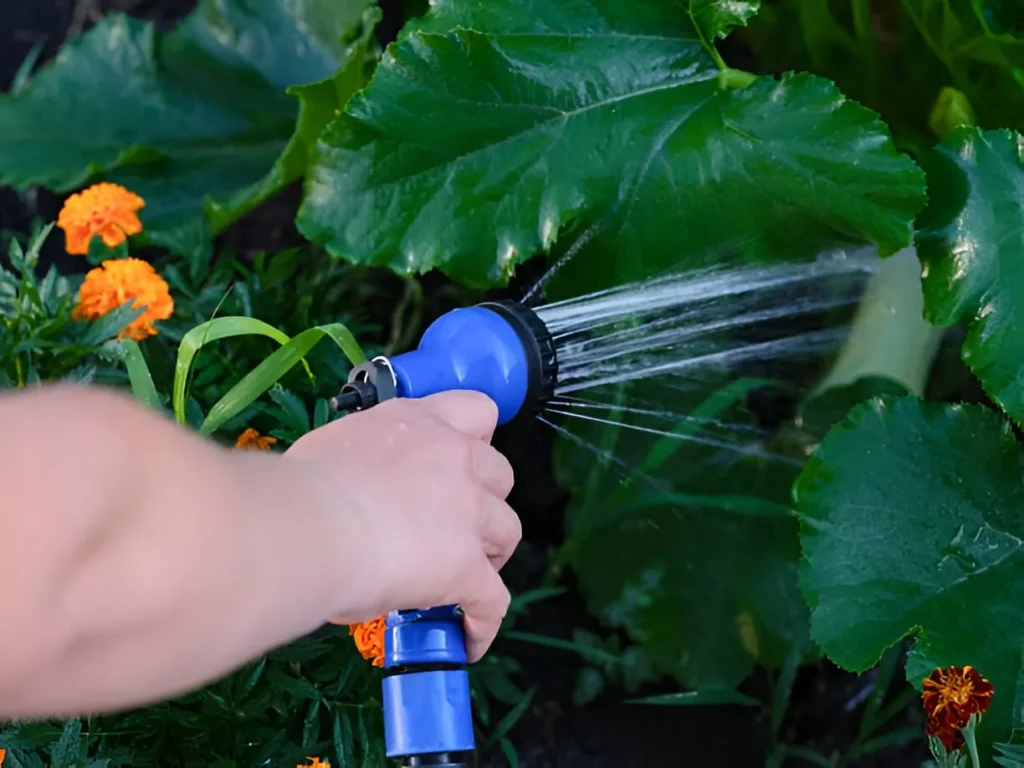
Install a high-pressure nozzle or spray: Switching to a high-pressure garden nozzle designed to concentrate water flow can significantly increase your hose’s spray strength. These nozzles maximize output without needing to change your water supply system. You can find reliable options like the high-pressure garden spray guns that are built for durability and strong flow.
Add a water pressure booster pump: If your home’s outdoor faucet has consistently low pressure due to municipal limits or well supply restrictions, a booster pump can help. It amplifies water pressure before it reaches your hose, delivering a stronger and steady flow.
Replace your outdoor spigot with a high-flow version: Older spigots can be a weak link, limiting how much water gets through to your hose. Upgrading to a high-flow outdoor spigot improves water delivery, making it easier to boost garden hose water pressure without changing the entire plumbing system.
Consider a whole-house pressure regulator or booster: For persistent low pressure across multiple water points, installing a pressure regulator or booster system centrally can help balance and strengthen your water flow throughout your property, including your garden hose.
For more specialized ways to increase outdoor faucet pressure and improve your garden hose setup, check out our detailed guide on how to increase garden hose water pressure.
Keeping your garden hose in good shape is key to maintaining strong water flow and avoiding low garden hose pressure. Here are some simple preventive maintenance tips:
Proper hose storage: Always coil your hose loosely and store it in a shaded, dry spot to prevent cracks and damage. Using a hose rack or reel helps avoid unnecessary kinks and tangles, which can reduce water pressure over time. For durable options, consider a black copper plated household latex inner tube hose that’s designed to resist wear and maintain flow.
Regular flushing and winterizing: Flush out your hose periodically to clear any debris or mineral buildup that clogs the hose and nozzle. Before winter, drain all water and store the hose indoors or in a frost-free area to prevent freezing damage that leads to leaks and pressure loss.
Monitor wear and replace hoses timely: Over time, hoses and connections wear out, causing leaks and poor water flow. Check for cracks, stiff spots, or worn fittings regularly and replace your hose if needed to keep your garden hose pressure optimal.
Following these preventive steps keeps your water pressure strong and your hose lasting longer, saving you time and hassle in the long run.
Sometimes, low garden hose pressure isn’t just about your hose or nozzle—it could be a bigger plumbing issue. If you’ve tried all the usual garden hose pressure fixes like clearing kinks, checking for leaks, and cleaning nozzles but still notice weak water flow, it might be time to call a professional plumber. They can diagnose problems like damaged pipes, underground leaks, or faulty valves that affect your outdoor faucet pressure.
Also, if your home uses a well water system or relies on municipal supply, issues with the well pump or reduced water pressure from the local supply line can cause persistently low pressure at your hose. A plumbing expert can test your well pump’s performance or review your water supply setup to identify if pressure boosters or repairs are needed.
Addressing these broader issues ensures you get strong, consistent garden hose water pressure without wasting time on quick fixes that don’t resolve the root cause. For reliable equipment to support your hose setup, consider checking out quality garden hoses and accessories designed to improve water flow, such as those recommended in this guide to choosing a reliable garden hose supplier.
Learn how eco-friendly garden nozzles help you save water and keep plants healthy. Discover tips and start watering your garden efficiently today!
Read More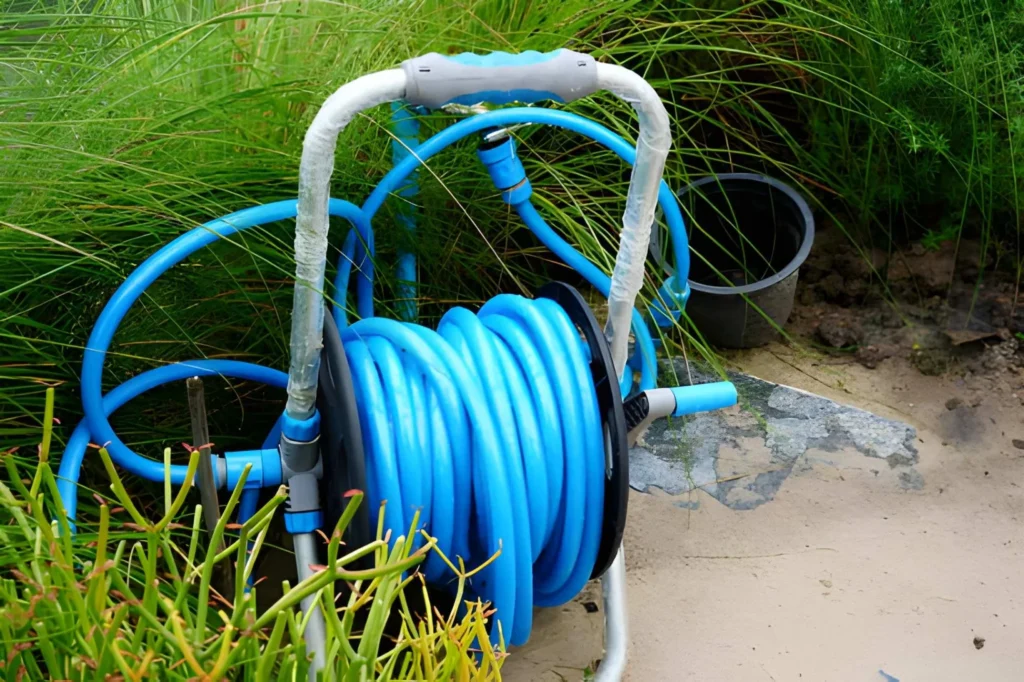
Have you ever found yourself struggling to connect your garden hose to PVC pipes? You’re not alone. Many homeowners and DIY enthusiasts face this common challenge when setting up irrigation systems, water pumps, or outdoor projects. The good news? A PVC to water hose adapter is your game-changer, and it’s far simpler than you might […]
Read More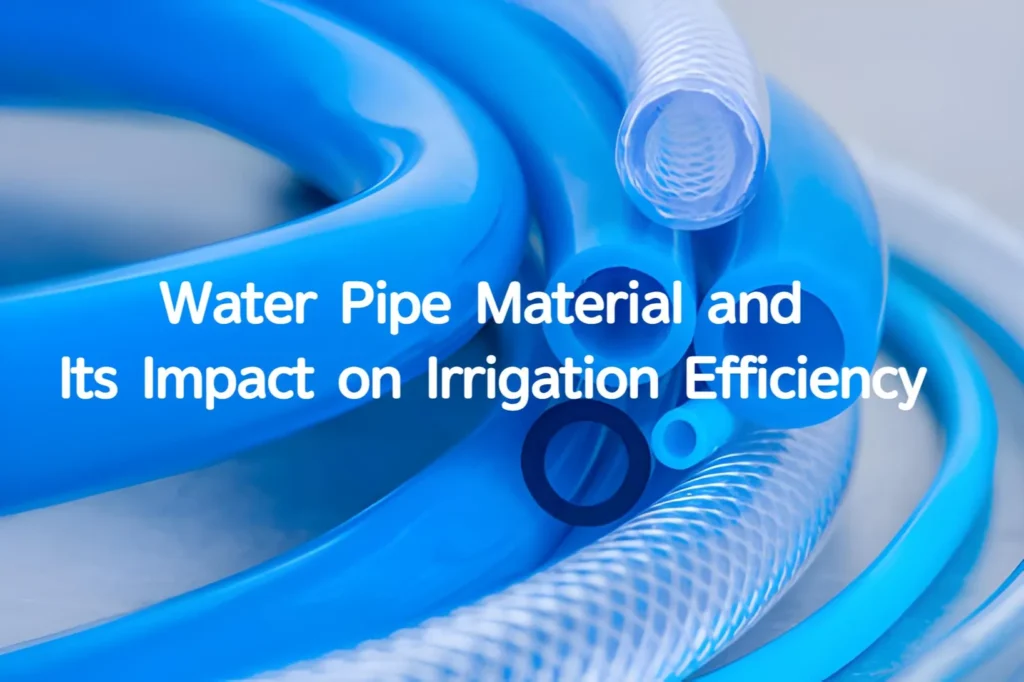
In modern agriculture and horticultural irrigation systems, the “water pipe material” is a critical factor that directly influences “irrigation efficiency” and “water-saving performance.” Selecting the right water pipe material not only ensures stable water flow, reduces leak risks and maintenance costs but also significantly extends the lifespan of the irrigation system. This article provides a […]
Read More