Before trying to boost garden hose pressure, it’s important to pinpoint the root cause. Start by testing your current water pressure—attach a pressure gauge directly to the outdoor spigot. This will give you an accurate reading of your garden hose water pressure.
Next, check the spigot flow by running water without the hose attached. If the flow is strong here but drops significantly once the hose is connected, the issue might be hose-related. Conversely, if water flow is weak at the spigot itself, it could be a spigot-specific or home-wide pressure problem.
Compare water pressure at different spigots around your property. If only one outlet is weak, focus your attention there. However, if multiple spigots show low hose water flow, the problem may lie with your home’s water pressure regulator, main shutoff valve, or municipal water supply.
By carefully diagnosing whether low water pressure comes from the source, hose, or fittings, you can apply the right garden hose pressure fixes that truly make a difference.
Quick and Free Fixes to Boost Garden Hose Pressure
Before investing in new equipment, try these simple, no-cost fixes to increase garden hose water pressure:
Inspect and repair leaks: Check your hose and connections carefully. Even small leaks can cause low hose water flow by reducing pressure.
Straighten kinks, twists, and coils: Any bends or sharp folds in your hose can block water flow. Lay the hose out straight for better pressure.
Clean debris and mineral buildup: Dirt, sediment, or mineral deposits inside the hose restrict water movement. Flush the hose or use a brush to clear blockages.
Remove flow restrictors: Some nozzles or aerators come with flow restrictors designed to save water but can reduce pressure. Take them out if you want a stronger spray.
Store hoses properly: Avoid damage by keeping hoses out of direct sunlight and preventing bends or tangles during storage, which can cause pressure drops later.
These quick tips often fix low pressure problems without extra cost. For more detailed guidance on hose care and how to increase hose flow rate, check out reliable resources like how to increase garden hose water pressure.
Optimize Your Setup for Better Garden Hose Water Pressure
To boost garden hose pressure, start by optimizing your setup. The longer your hose, the more water pressure drops due to friction loss. Keep this in mind:
Tip
Reason
Recommendation
Shorten hose length
Less distance = less friction loss
Use a hose just long enough to reach your needs
Upgrade hose diameter
Larger diameter = higher flow rate
Choose 5/8-inch or 3/4-inch hoses for stronger pressure
For improved control and water reach, select a high-pressure or adjustable nozzle. These let you customize spray strength to match the task, helping fix weak garden hose spray issues instantly.
Upgrading your hose and nozzle setup like this is one of the quickest ways to increase hose flow rate and enjoy consistent water pressure.
Address Source and Attachment Issues
Start by fully opening your main shutoff valve to ensure maximum water flow to your garden hose. Sometimes, the issue lies in the home pressure regulator—check if it’s set correctly or needs adjusting to boost garden hose pressure effectively.
Next, inspect your outdoor faucet for any clogged aerators or filters. These small parts can collect dirt or mineral buildup over time, reducing water flow. Cleaning or replacing them can make a significant difference in fixing low hose water flow.
Also, tighten all hose connections securely and swap out any cheap or worn fittings for higher-quality ones. Using durable, leak-proof fittings helps maintain strong pressure and prevents water loss. For the best results, consider upgrading your setup with quality components that support high pressure garden hose use.
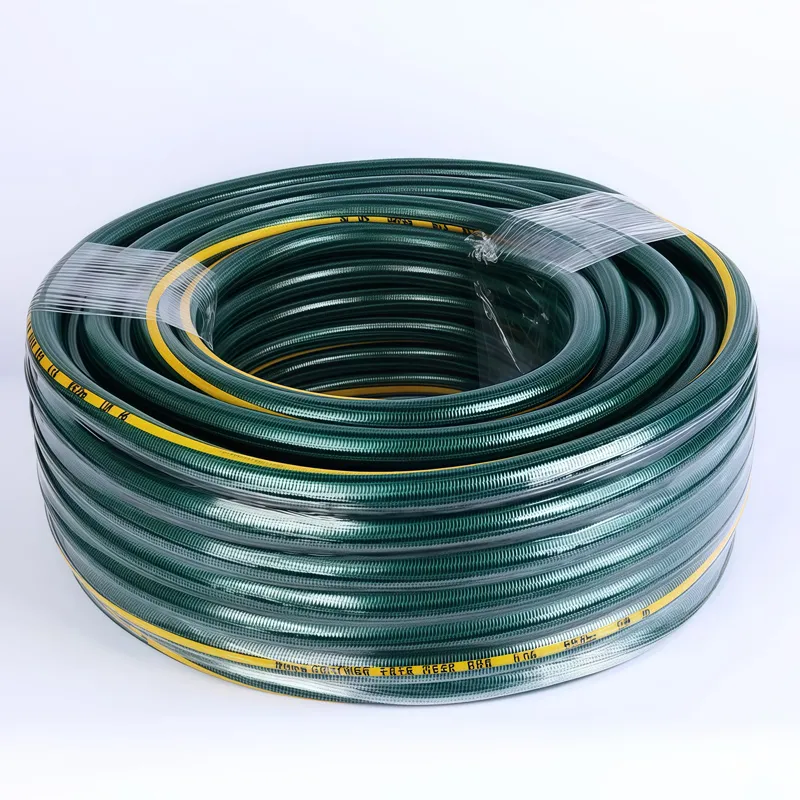
If you want a reliable hose option, Qiyi Garden Tools offers thickened PVC hoses made for heavy-duty, high-pressure applications that help maintain strong water flow.
Advanced Solutions for Persistent Low Pressure
If you’ve tried the basic fixes but still struggle with low hose water flow, it might be time to explore advanced solutions. Installing a garden hose booster pump can significantly boost garden hose pressure by forcing water through at a higher rate. There are various types—electric, battery-powered, and portable models—each with pros and cons. Electric pumps provide strong, steady pressure but require a power source, while battery-powered options offer portability but may have limited run time. For installation, position the pump close to the main water source and ensure all hose connections are secure to avoid leaks.
For large yards, consider a gravity-assisted setup if you have elevation differences, like placing a water tank uphill to enhance water flow naturally. Alternatively, setting up multiple spigots around your yard distributes water demand and reduces pressure loss at any single point.
Sometimes, persistent low pressure points to deeper issues such as corroded pipes or low municipal water supply. In these cases, calling a plumber is your best bet to inspect and repair your home’s water system or advise on pressure regulation solutions. Recognizing when it’s a plumbing problem can save you time and frustration in the long run.
Keeping your garden hose water pressure strong over time takes regular care. Here are simple maintenance tips to help you avoid low hose water flow and keep everything working smoothly:
Clean your hose and fittings regularly: Flush out debris, dirt, or mineral buildup, especially if you live in a hard water area. This prevents clogs that reduce water pressure.
Inspect and fix leaks promptly: Small holes or loose connections can sap pressure quickly.
Store your hose properly: Coil it neatly and keep it off the ground when not in use. Avoid sharp bends or kinks that weaken hose walls and block flow.
Winterize your hose: Drain all water before storing it indoors during freezing months to prevent cracks or damage that lead to leaks and pressure loss.
Seasonal Pressure Checks: Attach a water pressure gauge to your outdoor faucet at least once per season to spot any drops early. Look for signs like weak garden hose spray or inconsistent flow.
Following these steps helps prevent buildup and damage, so you can enjoy consistently high pressure garden hose performance year-round.
For a durable solution, consider investing in a kink-resistant hose like those available from Qiyi Garden Tools, which offer strong pressure and long-lasting use. Check out their selection, including options like the water pipe with storage cart for easy handling and maintenance.
When it comes to outdoor activities, particularly gardening, having the right tools can make all the difference. One tool that often gets overlooked but is absolutely essential is the PVC Water Hose . You may not realize it, but the quality and durability of your water hose can significantly impact the ease and efficiency of […]
Imagine that you are standing in your garden with a squirt gun in your hand, ready to water your plants. If the squirt gun doesn’t work well, the whole process can become tiring and annoying. But if you choose the right spray gun, watering, cleaning, and even bathing your pets can be a breeze. Today, […]
The Anatomy of a Durable Garden Hose Nozzle: Materials Matter We have all seen nozzles crack, leak, or shatter after a single season of use. As a manufacturer, I can tell you that longevity isn’t luck; it is engineering. The difference between a throwaway tool and a professional garden hose nozzle lies entirely in the raw materials […]
We use cookies to enhance your browsing experience, serve personalised ads or content, and analyse our traffic. By clicking "Accept All", you consent to our use of cookies.