During peak summer conditions with intense solar exposure, garden hoses must endure elevated temperatures. Key considerations include resistance to sunlight degradation, extended operational lifespan, ease of daily handling, space-efficient storage, and minimal propensity for aging or deformation.
For stakeholders such as residential users, horticultural retailers, or suppliers for agricultural irrigation and landscaping initiatives, bulk procurement of garden hoses necessitates evaluation of these factors, primarily influenced by material composition.
As a producer and distributor of hose products, prevalent materials encompass Rubber Garden Hose and PVC Flexible Hose variants. This analysis delineates performance disparities between these options, spanning thermal extremes from summer heat to winter cold, and operational aspects from routine deployment to storage protocols, offering technical guidance for procurement decisions to optimize product selection and market positioning.
For applications limited to light-duty horticulture, balcony irrigation, or transient outdoor tasks with emphasis on operational simplicity, PVC Flexible Hose presents a viable economical solution.
In scenarios entailing prolonged high-temperature exposure, sub-zero climates, frequent utilization, or professional irrigation in agriculture and commercial landscaping, Rubber Garden Hose is preferable to guarantee structural integrity, pliability, and longevity.
Introduction to PVC Flexible Hose
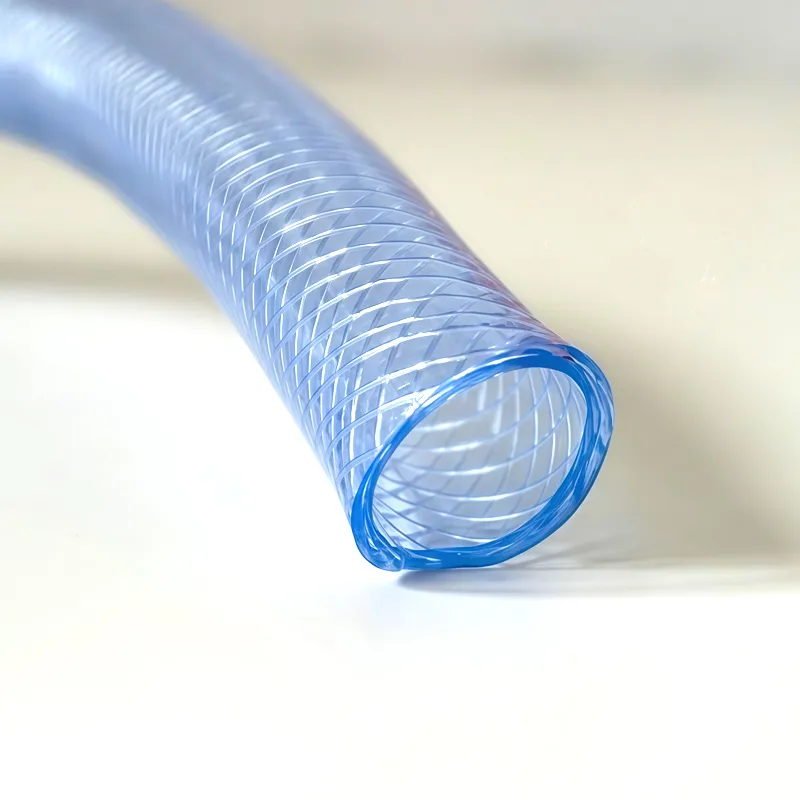
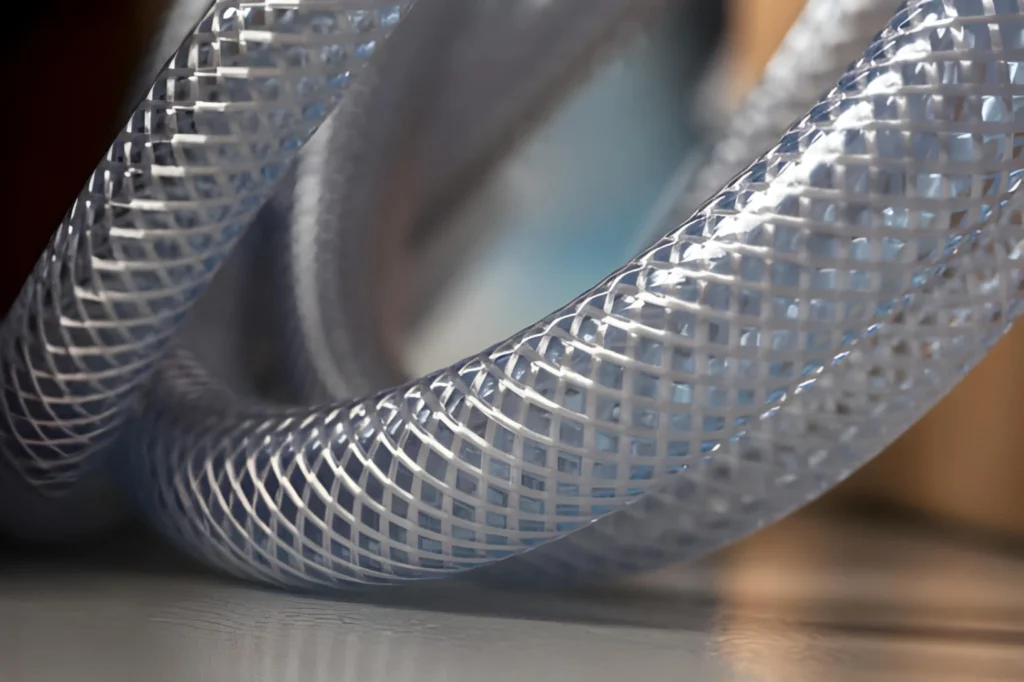
PVC Flexible Hose, derived from polyvinyl chloride (PVC), employs thermoplastic construction, typically comprising single or multi-layer PVC formulations, with select configurations incorporating fiber-braided reinforcement for enhanced structural support.
Features:
- Reduced mass facilitates portability and coiling operations
- Economical pricing supports high-volume acquisitions
- Diverse color options and customization capabilities
- Adequate resistance to corrosive elements, though limited tolerance to thermal extremes
Applicable Customer group:
- Residential horticulture distribution channels
- Minimal-intensity applications in balconies, patios, and compact landscaped areas
- Cost-sensitive clientele
Introduction to Rubber Garden Hose
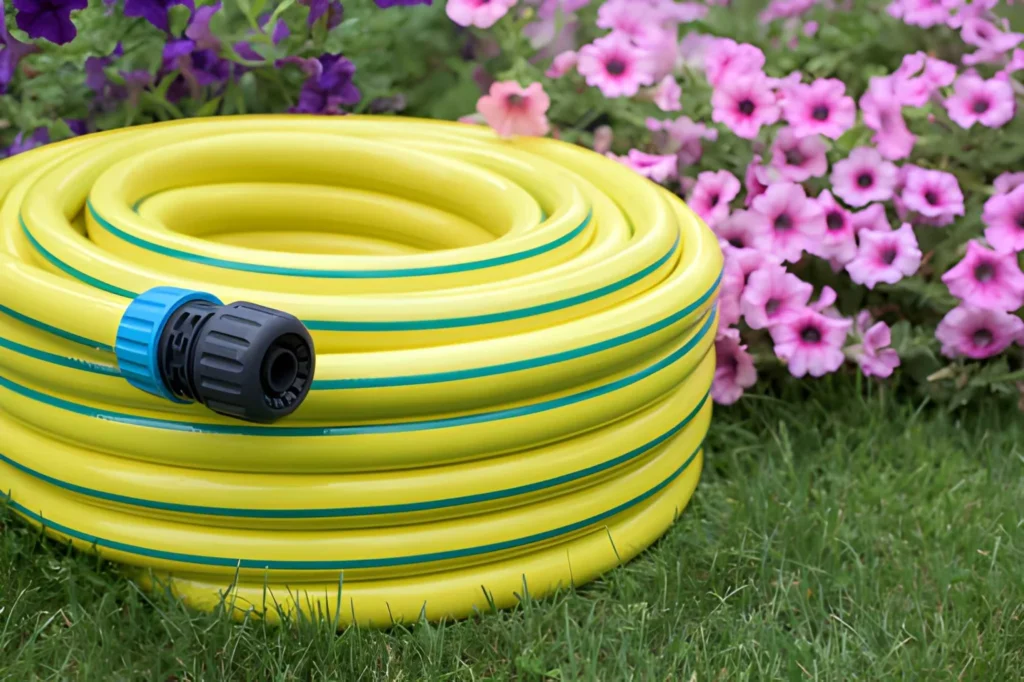
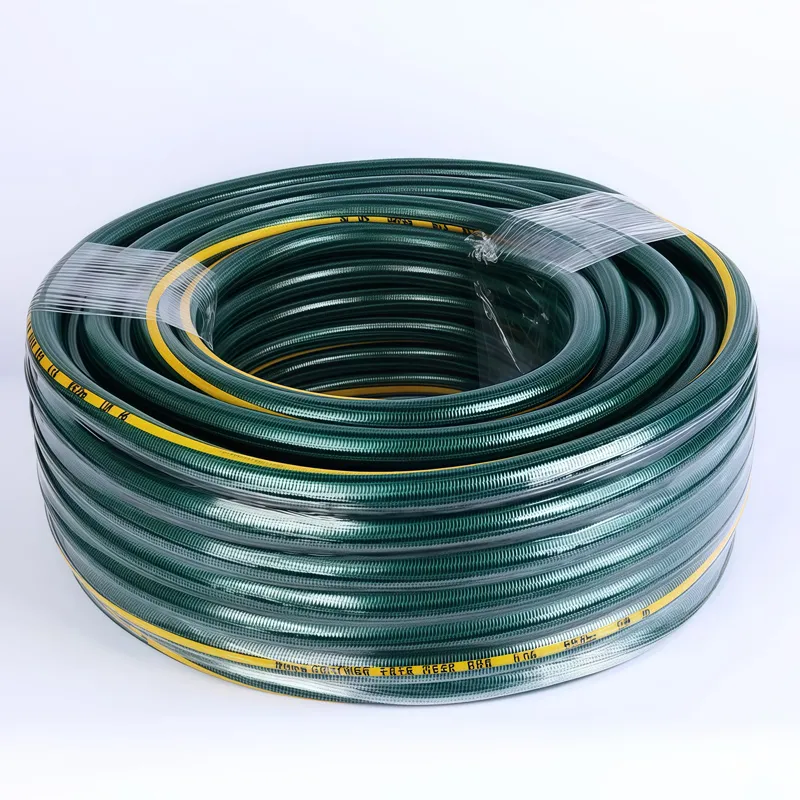
Rubber Garden Hose utilizes synthetic rubber compounds, augmented in certain variants with fabric or wire mesh reinforcements to bolster environmental resilience and pressure containment capabilities.
Features:
- Superior pliability minimizes kinking tendencies
- Robust tolerance to elevated temperatures, sub-zero conditions, and ultraviolet exposure
- Enhanced pressure endurance, compatible with industrial irrigation systems
- Extended operational duration and abrasion tolerance
Applicable customer groups:
- Professional landscaping maintenance operations
- Auxiliary components for agricultural irrigation installations
- Premium do-it-yourself horticultural tool users
- Sectors demanding stringent quality standards
Comparison between PVC Flexible Hose and rubber garden hose
- Flexibility: PVC Flexible Hose exhibits moderate pliability and stiffens under low-temperature exposure. Rubber Garden Hose demonstrates exceptional flexibility, enduring thermal extremes while preserving bending efficacy.
- Anti-aging: PVC Flexible Hose offers moderate ultraviolet protection and is inadvisable for prolonged solar exposure. Rubber Garden Hose incorporates pigmentation for anti-degradation, suiting extended outdoor deployment.
- Convenience: PVC Flexible Water Hose variants are lighter, more affordable, and simpler to transport and deploy. Rubber Garden Hose incurs higher costs with increased mass, elevating logistics and operational expenses.
- Service life: PVC Flexible Hose aligns with intermittent outdoor and low-cycle applications. Rubber Garden Hose affords prolonged lifespan, accommodating sustained high-frequency operations.
- Temperature resistance: PVC Flexible Hose operates within -10°C to 65°C limits, whereas Rubber Garden Hose accommodates a broader spectrum from -40°C to 100°C.
How to choose a suitable garden hose?
Selection of garden hose products can be assessed via the ensuing criteria:
Frequency of use and environment: For clientele focused on standard residential applications, routine irrigation, and sporadic deployment, PVC Flexible Hose constitutes an efficient, cost-effective selection.
For end-users with intensive hose utilization, including landscaping firms, agribusiness cultivators, and service crews, resilient, extended-life Rubber Garden Hose is advised.
Regional climate conditions: In equatorial or frigid zones, Rubber Garden Hose is prioritized for superior thermal adaptability over PVC Flexible Hose.
In temperate regions, PVC Flexible Hose adequately satisfies baseline requirements.
Cost budget and procurement cycle: PVC Flexible Hose fits transient, budget-constrained, high-volume distribution initiatives.
Rubber Garden Hose suits enduring partnerships in premium sectors and discerning clients.
Brand and garden hose supplier: Opt for vendors exhibiting technical expertise and comprehensive post-sales support for all offerings.
Conclusion
PVC Flexible Hose and Rubber Garden Hose each offer distinct merits and limitations.Optimal choice hinges on specific operational requirements and environmental contexts.
For dependable garden hose sourcing, engage QiyiTools for integrated product and service provisions.