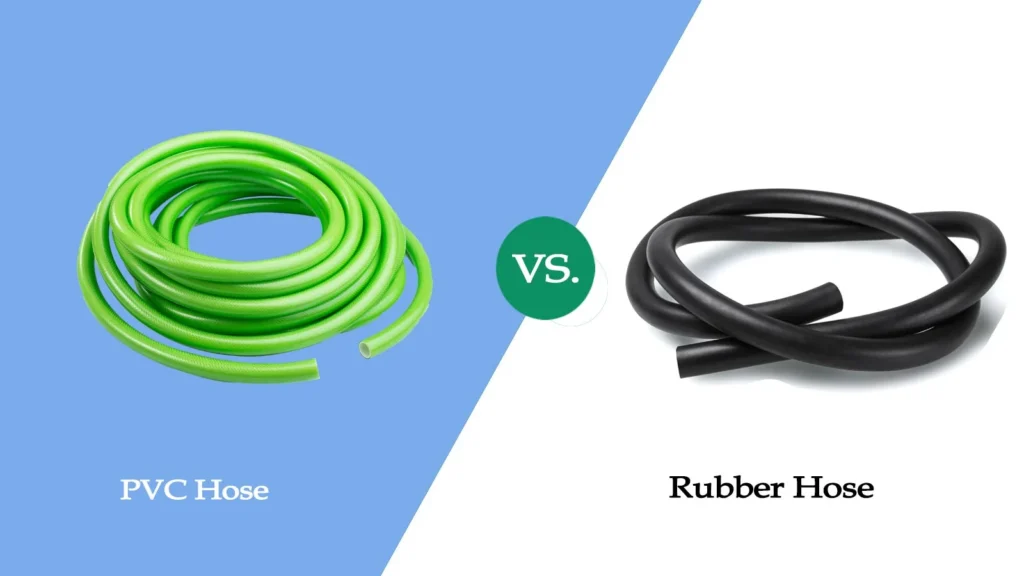
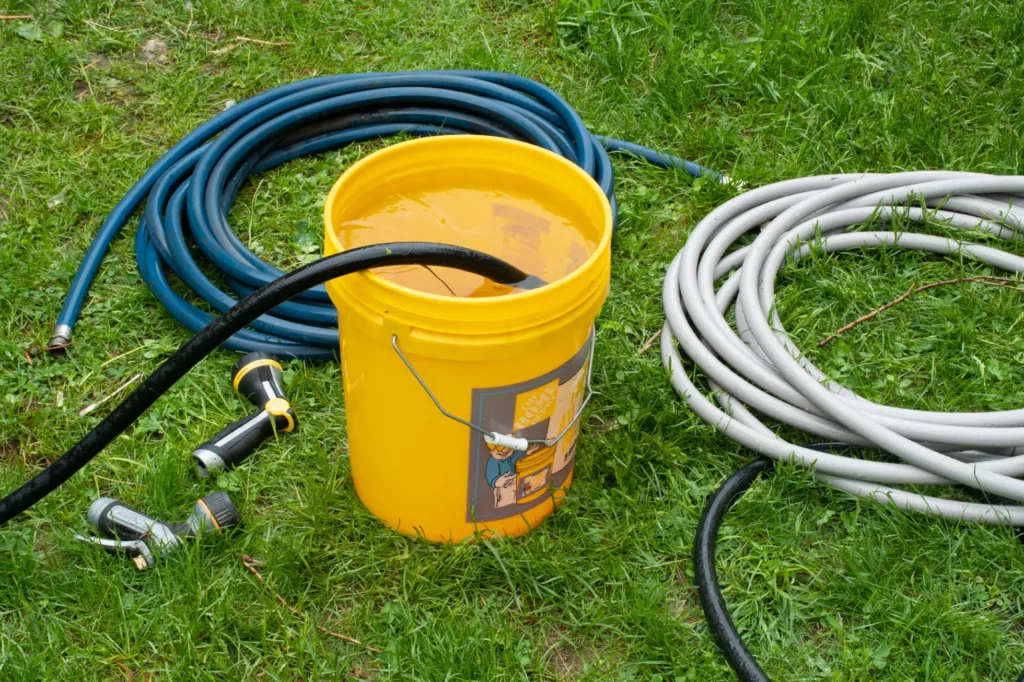
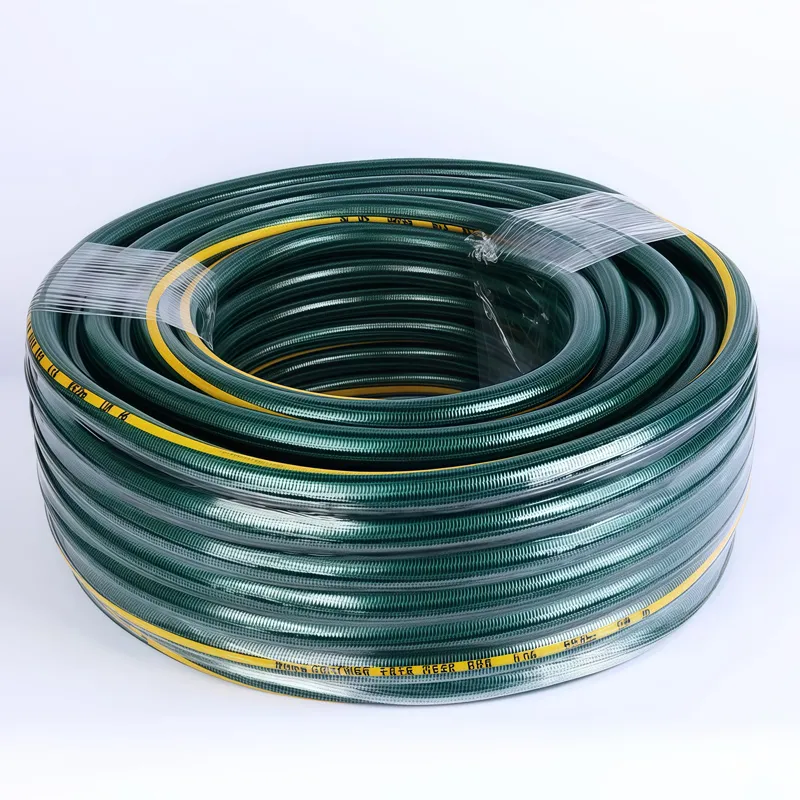
Hoses function as specialized conduits for conveying fluids between locations. They consist of diverse materials, with PVC Hose and Rubber Hose being the predominant choices.
Despite apparent similarities in function, PVC and Rubber Hose differ significantly in performance characteristics.
This prompts a key consideration: PVC Hose vs Rubber Hose – which provides greater reliability?
Understanding these distinctions is essential prior to selection.
For example, selecting a hose unsuitable for high-pressure fuel transport may result in material degradation. Incorrect choices can lead to structural failures and economic drawbacks.
If uncertainty persists regarding the optimal option, this analysis clarifies the variances between Rubber Hose and PVC Hose. Proceeding with the evaluation.
What Are the Differences Between PVC Hose & Rubber Hose?
As noted earlier, PVC and Rubber Hose may appear comparable.
Yet, multiple attributes distinguish them, ranging from material makeup to longevity.
This segment examines principal variances to ensure appropriate selection. Initiating the detailed review.
1- Material Composition
A primary distinction between PVC and Rubber Hose lies in their material structure. PVC Hose utilizes Polyvinyl Chloride, a synthetic polymer derived from multiple monomers.Production incorporates plasticizers, stabilizers, and additives to enhance pliability.
In contrast, Rubber Hose employs natural or synthetic rubber. Natural variants derive from rubber tree latex, processed to form the final product. Synthetic options frequently include EPDM or Nitrile rubber for managing severe operational environments.
2- Flexibility
Flexibility represents a fundamental variance between Rubber and PVC Hose. It denotes the capacity to bend without fracture. Rubber Hose exhibits inherent elasticity, yielding superior flexibility. This stems from elevated tensile strength, permitting extension and curvature without failure risk.
Conversely, PVC Hose demonstrates reduced flexibility and increased rigidity owing to limited elasticity and tensile properties. Compression or bending often induces cracking. Stabilizers are incorporated to improve pliability, yet they degrade in low temperatures, rendering the material brittle.
3- Durability and Strength
Durability serves as the paramount differentiator for PVC and Rubber Hose. Strength correlates with flexibility levels. Greater flexibility equates to enhanced robustness. PVC Hose, with lower flexibility, tends to harden and fracture readily. Exposure to UV radiation further diminishes its pliability and structural integrity.
Rubber Hose provides exceptional durability and flexibility. It endures torsion, bending, and elongation without rupture. Impact resistance enables shock absorption while preserving form. Additionally, Rubber Hose maintains performance across diverse environmental exposures.
4- Temperature Resistance
Temperature resistance measures a hose’s tolerance to elevated and reduced thermal conditions. PVC and Rubber Hose exhibit variations herein. PVC Hose softens and melts beyond a 60°C threshold. It becomes brittle and prone to cracking below -10°C. Thus, PVC Hose suits low to moderate thermal ranges.
Rubber Hose withstands up to 120°C without deformation or softening. In sub-zero environments below -40°C, it retains flexibility without brittleness. Consequently, Rubber Hose accommodates frost-prone applications.
5- Pressure Handling
Hoses facilitate the conveyance of pressurized fluids and gases. Pressure capacity distinguishes PVC Hose from Rubber Hose markedly. PVC Hose’s lightweight plastic composition leads to expansion and rupture under high pressure. Edge kinking may also impede flow.
PVC Hose tolerates up to 50-300 PSI maximum. Rubber Hose demonstrates enhanced pressure tolerance due to greater flexibility and density. It resists kinking under load, ensuring unobstructed fluid passage. Rubber Hose manages 300-6,000 PSI without expansion or failure.
6- Chemical Resistance
Chemical resistance, as seen in comparisons like composite versus Rubber Hose, applies similarly to PVC and Rubber Hose. Additives in PVC Hose enhance flexibility and provide partial chemical protection. It manages mild acids, detergents, and non-aggressive fluids.
PVC Hose fails against fuels, potent alkalis, acids, and gasoline, leading to degradation and melting. Rubber Hose excels in resisting varied chemicals through reinforcing layers. It transports gasoline, alkalis, acids, and aggressive solvents over extended distances effectively.
7- Weight and Handling
Weight and maneuverability further differentiate Rubber Hose from PVC Hose. PVC Hose excels in this category. Its lower-density plastic yields a lightweight profile, simplifying installation, relocation, and coiling for storage.
However, this lightness promotes kinking and instability under pressure. Rubber Hose’s denser build increases weight, complicating transport and storage. Yet, the density ensures positional stability, preventing kinking or rupture in high-pressure scenarios.
8- Environmental Impact
Environmental impact assesses a hose’s ecological footprint. PVC Hose relies on petroleum-derived components like additives, emitting toxins such as dioxins. These affect human health and ecosystems. PVC Hose resists biodegradation, persisting for centuries.
Consequently, it contributes to landfill accumulation and post-use pollution. Rubber Hose imposes lesser environmental burdens. Natural rubber biodegrades without residue. It supports recycling and reuse, promoting sustainability.
9- Applications
Property differences influence application suitability for PVC and Rubber Hose. Examining uses systematically. PVC-reinforced variants apply to:
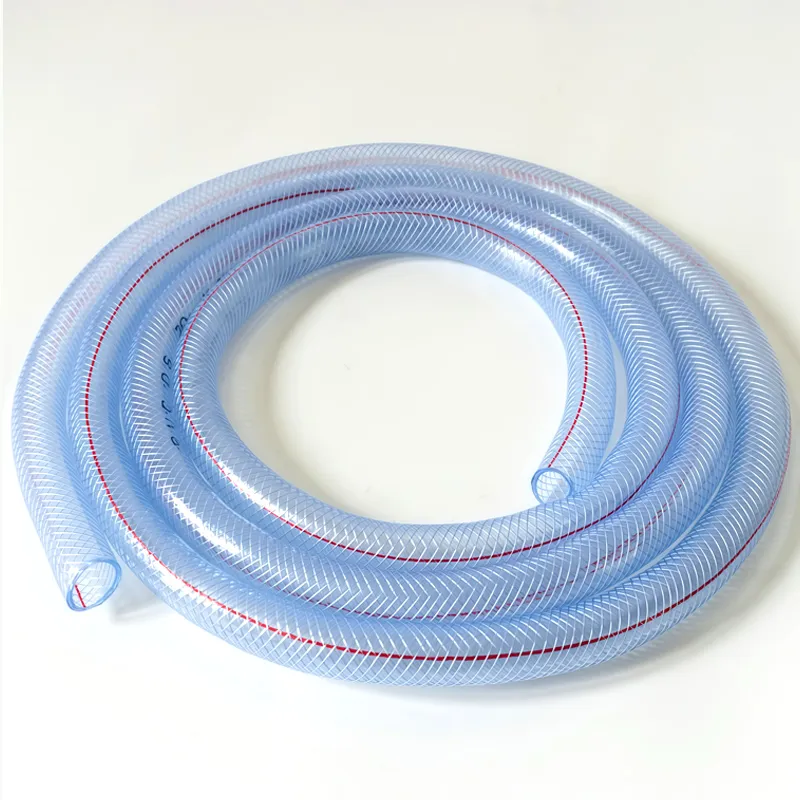
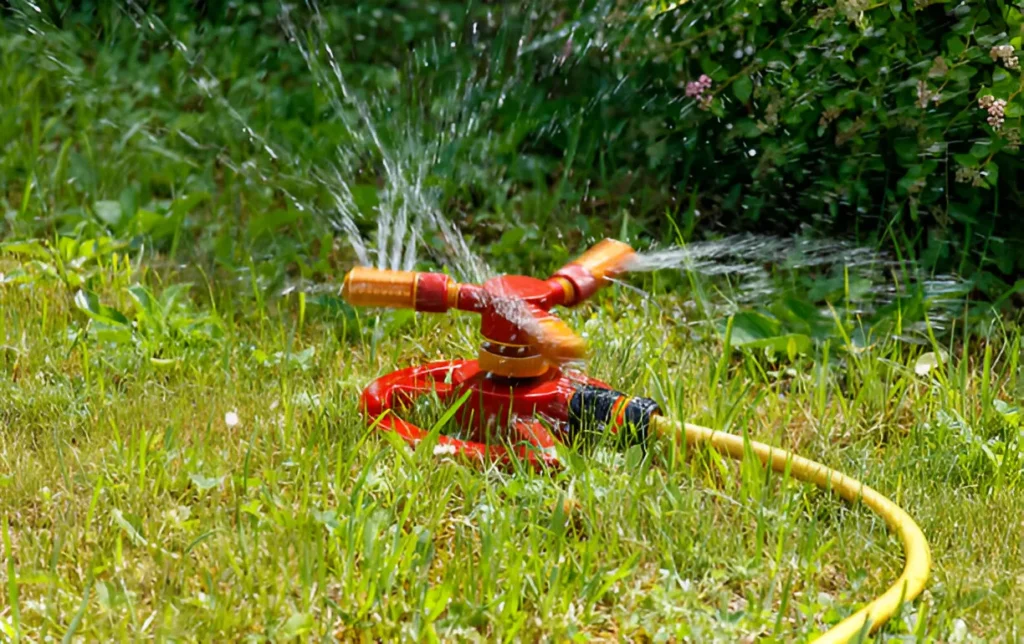
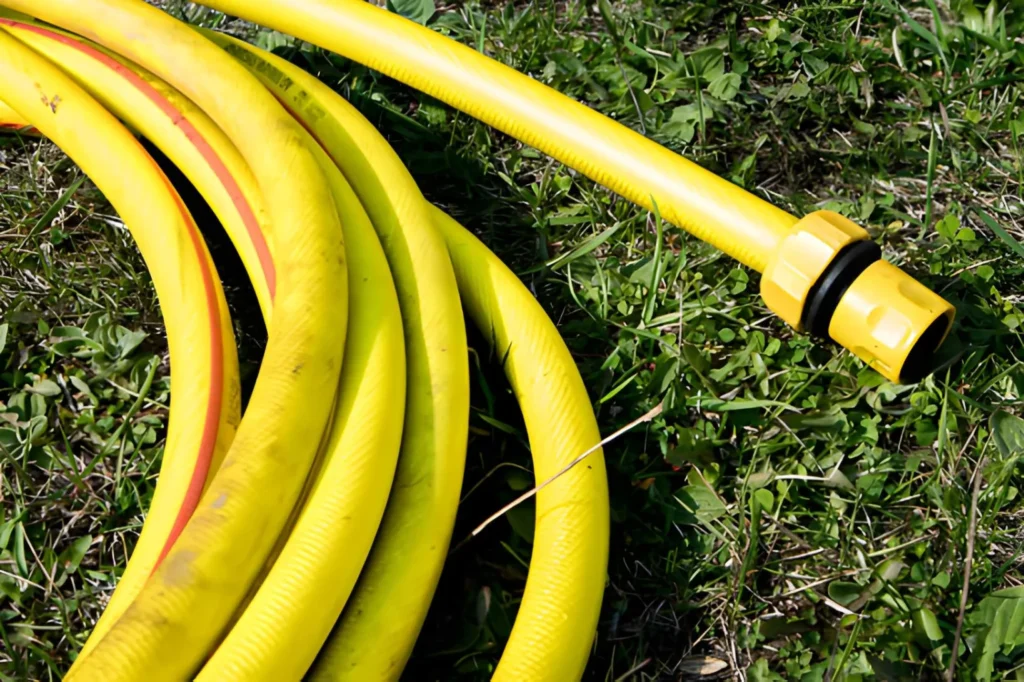
Garden and irrigation setups for plant hydration
Low-pressure roles in compressors and pneumatic equipment
Food-grade models for potable water conveyance
Swimming pools and hot tubs for circulation Rubber Hose serves in:
Fuel and oil conveyance
High-pressure hydraulic machinery
Safe heavy-duty chemical transport
Industrial steam and hot water handling
10- Cost and Affordability
Cost remains a distinguishing element for these variants. PVC Hose offers economic viability in production. Abundant synthetic plastic feedstocks lower expenses. Lightweight design streamlines processing, minimizing fabrication costs. Initial affordability may incur higher long-term expenses from frequent replacements and upkeep. Rubber Hose entails elevated upfront investment due to costly materials and intricate production. Its superior durability and service life yield overall cost savings.
PVC vs Rubber Hose: Which One Should You Choose?
PVC and Rubber Hose each present distinct attributes. Selection for particular requirements demands careful assessment. Several criteria guide informed decisions. Addressing them herein.
Evaluate project demands first. PVC Hose fits light-duty tasks like low-pressure water delivery. Rubber Hose proves dependable for intensive applications, including hot water and aggressive chemical transfer.
Assess durability and robustness. PVC Hose offers moderate endurance, softening in heat, thus suiting controlled settings. Rubber Hose delivers inherent toughness across thermal extremes, adaptable to varied conditions.
Factor in flexibility and mass. PVC Hose’s lower pliability pairs with reduced weight, ideal for user-friendly scenarios. Rubber Hose’s enhanced bendability offsets its heft, stabilizing it in demanding environments. Prioritize ecological considerations.
PVC Hose’s slow degradation pollutes over centuries. Natural Rubber Hose biodegrades rapidly with minimal impact; opt for sustainable synthetics where applicable.
Weigh financial and upkeep aspects. PVC Hose suits constrained budgets initially, though maintenance elevates total costs. Rubber Hose’s premium entry price aligns with extended reliability and reduced interventions.
Conclusion
Hoses play a vital role in fluid and gas conveyance. Available in multiple materials, Rubber Hose and PVC Hose predominate. Superficially similar, they differ in key traits. PVC Hose’s lightness and rigidity yield limited durability for low-pressure uses.
PVC Hose provides affordability for light to moderate duties. Rubber Hose excels in endurance and adaptability, managing diverse chemicals and thermal ranges. Despite higher acquisition costs, its longevity ensures economic efficiency. Rubber Hose is thus preferable for engineering applications.
Rotary sprinklers play a vital role in keeping lawns and gardens healthy and attractive. With many options available, choosing the right sprinkler system can be confusing. In this article, we will review the benefits and drawbacks of rotary and spray sprinklers to help you make a well-informed choice. The Difference Between Rotary sprinklers and Spray […]
If you’re in the market for garden hoses on a commercial scale, you know the stakes are high. A top-notch garden hose supplier can make or break your business operations—whether you manage landscaping crews, run a hotel, or oversee maintenance at a golf course. But with so many options out there, how do you find […]
We use cookies to enhance your browsing experience, serve personalised ads or content, and analyse our traffic. By clicking "Accept All", you consent to our use of cookies.