Choosing the right tubing material is an important decision. Among the most common options are silicone tubing and PVC (polyvinyl chloride) tubing. Each material offers different strengths, which makes them suitable for specific uses and industries. To select the best option, it is necessary to understand how these two materials differ.
This article explains the main features of silicone and PVC tubing. It reviews their benefits, drawbacks, and common uses. By the end, you should have a clear idea of which tubing material fits your application and performance needs.
Silicone vs. PVC Hose: A Comparison
Different Materials
Silicone hose (silicon tubing) and PVC hose (PVC tubing) are made from different base materials. Silicone tubing is produced from silica. PVC tubing is made from polyvinyl chloride. This basic difference affects how each tube performs in use.
Silicone tubing is highly flexible. It bends easily without cracking or losing its shape. It can stretch and return to normal. Smooth curves form without kinks. Because of this, silicone tubing works well in complex systems. It is widely used in medical equipment, food processing, and home brewing. Its flexibility allows easy installation and smooth flow.
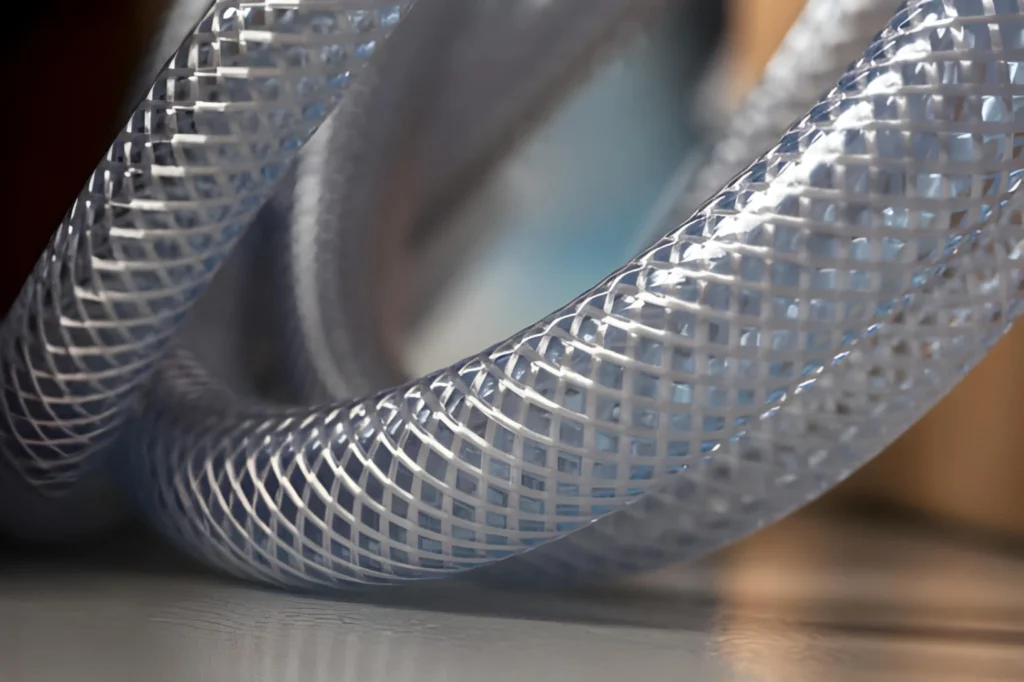
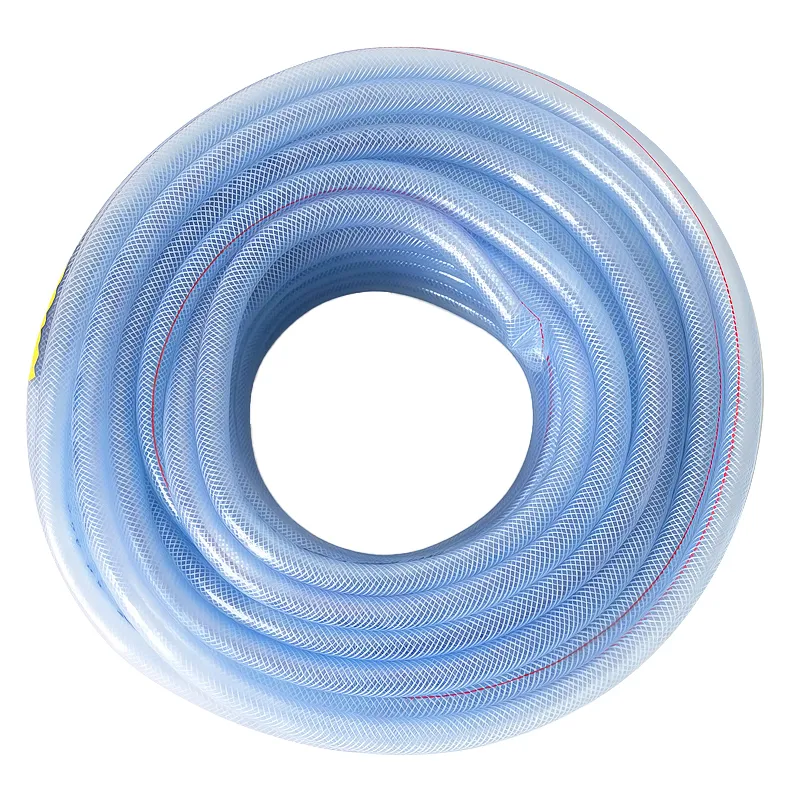
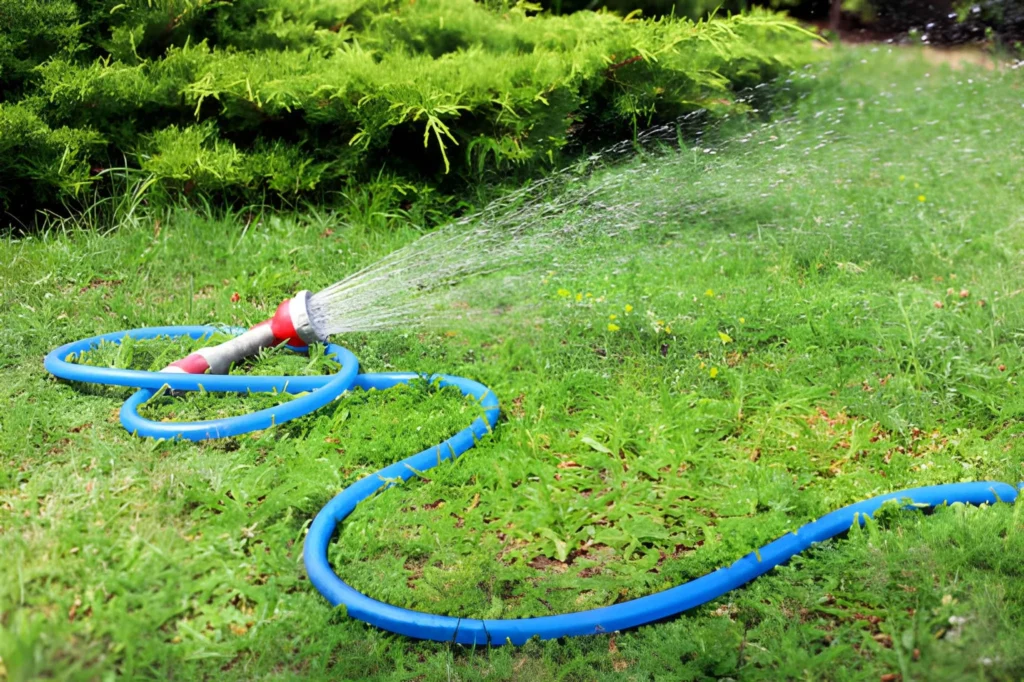
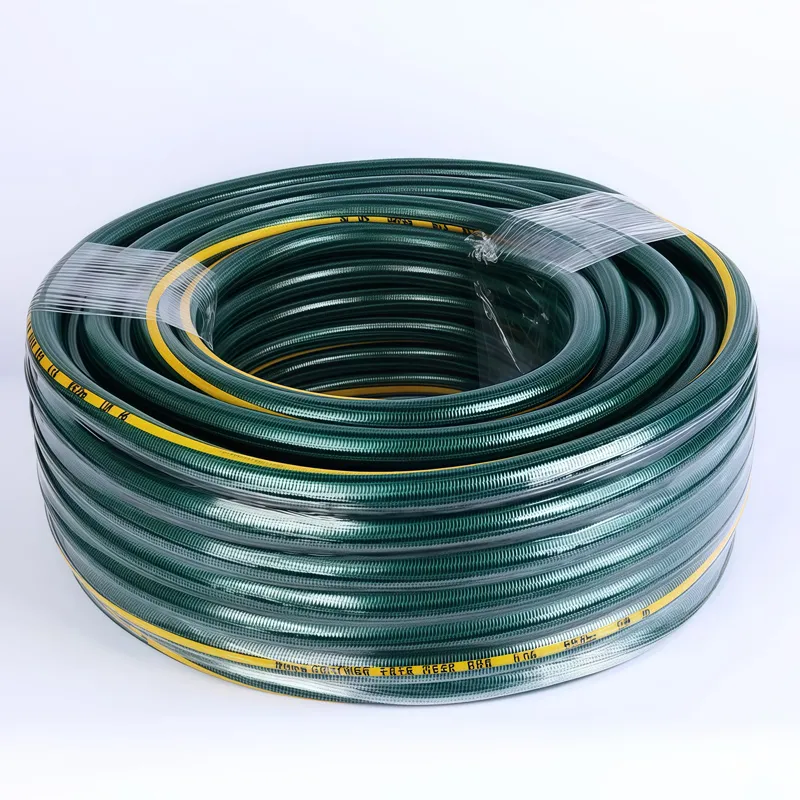
PVC Hose is more rigid. It requires more force to bend and may become stiff after stretching. Sharp bends can cause kinks. For this reason, PVC Hose is better for straight or simple routes. It is often used in home plumbing, garden hoses, and air conditioning systems. It performs well in basic, low-stress applications.
Material Resistance
Silicone tubing offers strong chemical resistance. It provides good electrical insulation. It resists aging and holds up well in outdoor conditions. Silicone tubing is non-toxic, odorless, and colorless. These features make it suitable for food and medical use.
PVC Hose also has good chemical stability and electrical insulation. It absorbs very little water and can stop burning on its own, which improves safety. However, some PVC tubing contains additives such as dibutyl phthalate, which may be harmful. This limits its use in sensitive environments.
Summary:Silicone tubing is chemically resistant, flexible, weather-resistant, and safe for food and medical use.
PVC Hose is stable, self-extinguishing, and durable, but may contain toxic additives.
Application Range
Silicone tubing is used across many industries. These include aviation, electronics, chemicals, machinery, medical devices, food production, and ovens. It has no added odor, which is important in clean environments.
PVC Hose is commonly used in construction, packaging, medicine, and general industrial applications. Due to added materials, PVC products may have a noticeable smell.
Temperature Resistance
Silicone tubing performs well in extreme temperatures. It works from about -60°C to 200°C. It stays flexible in both heat and cold, making it reliable in harsh conditions.
PVC Hose has limited temperature resistance. It usually should not be used above 45°C. Heat can soften it, while cold can make it brittle. PVC tubing is best suited for environments with stable, moderate temperatures.
Environmental Resistance
Silicone tubing performs well in outdoor environments. Sun exposure has little effect on it. Ozone does not easily damage the material. Many chemicals cannot pass through silicone, which adds to its durability. These qualities make it a strong choice for outdoor and chemical-heavy settings. Silicone tubing remains stable in harsh weather. High heat does not cause cracking, and low temperatures do not make it brittle. Because of this reliability, many industries choose silicone for long-term use.
PVC Hose offers limited resistance to environmental factors. Prolonged sunlight can cause gradual damage. Ozone may also weaken the material. Certain chemicals can degrade PVC Hose over time. For best results, it is usually used indoors or in protected areas. PVC Hose is more sensitive to temperature changes. Cold conditions can lead to cracking, while heat may cause softening. It is better suited for mild environments and short-term applications.
Stretchiness
Silicone tubing has high elasticity. It can stretch significantly without tearing and quickly returns to its original shape. This flexibility makes it ideal for applications that involve frequent bending or movement. Silicone tubing handles stress well and resists kinking, which helps maintain steady flow. These traits make it a preferred option for demanding uses.
PVC tubing has limited stretch. Once pulled, it may not fully recover its shape. This reduces its flexibility and increases the chance of kinks. PVC tubing works best in straight lines with minimal motion. It is often chosen for simple and low-cost applications where flexibility is not critical.
Safety for Food and Medical Use
Silicone tubing is often approved by the FDA for food and medical applications. Medical-grade certifications indicate high manufacturing standards and strict quality control. These approvals confirm that silicone tubing is safe and stable when in contact with food or bodily fluids. It does not react with liquids, which makes it suitable for food processing systems. In medical settings, silicone tubing is widely used to transport fluids safely and reliably.
PVC tubing can also receive FDA approval, but only certain types meet the required standards. Not all PVC tubing is suitable for food or medical use, so labeling should always be checked. PVC tubing is sometimes used in food handling for simple or short-term tasks. In medical environments, its use is more limited. Heat can cause some PVC products to release chemicals, which raises safety concerns. For critical applications, alternatives are often preferred.
Cost
Silicone tubing is more expensive due to its higher performance. It resists heat, remains flexible, and maintains strength over time. The manufacturing process is more complex, which raises production costs. However, silicone tubing often reduces long-term expenses. Its durability means fewer replacements, especially in demanding environments. For heavy-duty applications, the higher initial cost can lead to overall savings.
PVC tubing is less expensive. The raw materials are cheaper, and production is simpler. This low upfront cost makes PVC tubing a common choice for budget-focused projects. While it saves money at the start, it may need to be replaced more often in harsh conditions. PVC tubing is best suited for short-term use or applications with limited budgets.
Silicone vs PVC Tubing: Which is right for you?
The right choice depends on how the tubing will be used. Silicone tubing is ideal when high temperature resistance, safety for medical or food contact, and strong flexibility are required. It performs well in demanding conditions and supports long-term use.
PVC tubing is a practical option for general applications. It offers good durability at a lower cost and works well in standard environments where extreme heat or strict safety standards are not needed.
At OMIT, we focus on delivering reliable and customizable tubing solutions. Our wide selection of PVC products helps businesses meet different operational needs.
Contact us today for a free consultation. Our team is ready to help you select the right tubing to improve efficiency and performance.