Garden Tools
Durable Reinforced PVC Hose Guide for Garden and Industrial Use
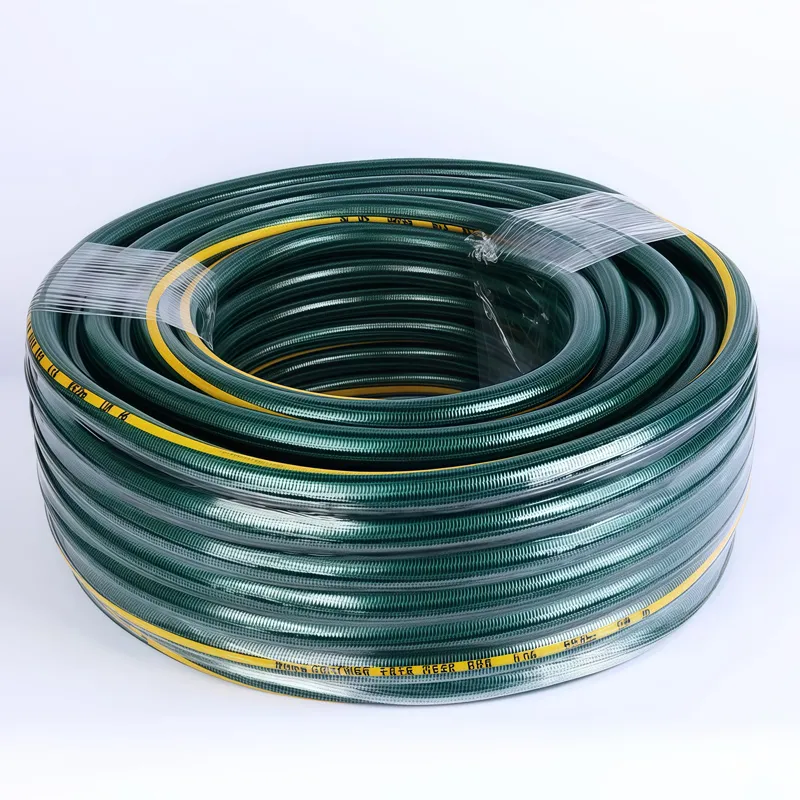
Discover durable reinforced PVC hoses offering kink resistance, high pressure tolerance, UV protection, and flexible garden and industrial use.
Read More
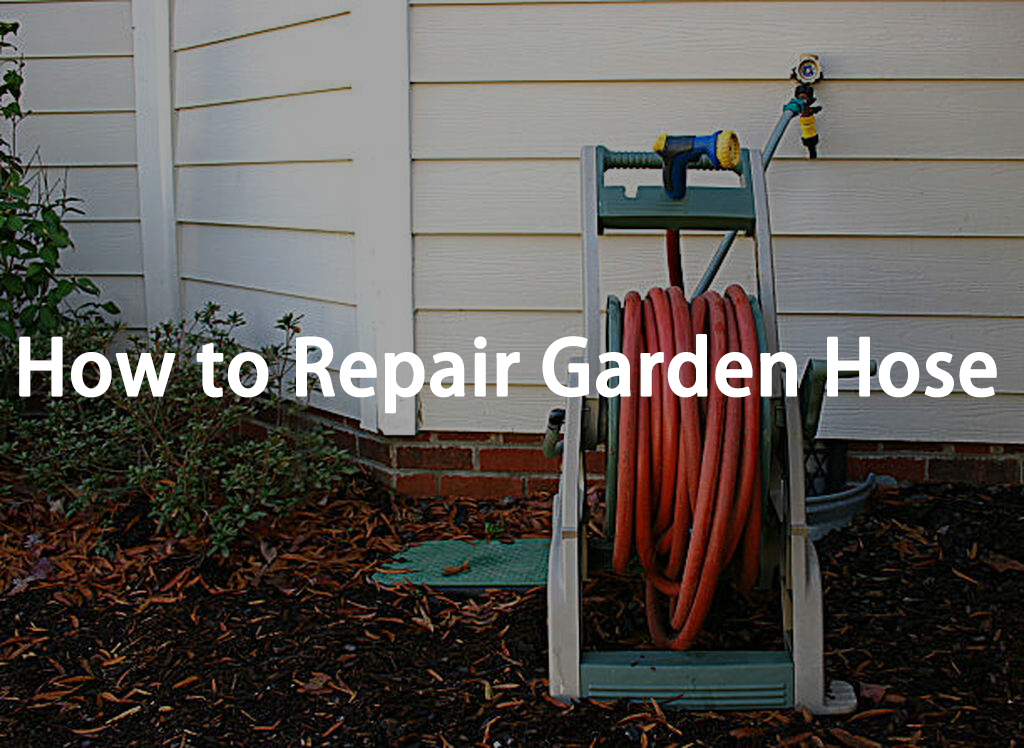
Detecting a leak in a garden hose is typically straightforward, particularly when water discharge is directed toward the operator. Rather than discarding the garden hose, consider that a basic, low-cost repair can often restore its operational integrity.
For repairing a minor puncture or leak in a garden hose, utilize electrical tape, duct tape, or purpose-built hose repair tape. Ensure the affected section of the garden hose is cleaned and dried prior to application. Apply the tape with overlapping layers while encircling the hose. Avoid excessive tension during wrapping to prevent hose deformation, which could compromise the seal.
Leaks at faucets or spigots in garden hose systems typically arise from one of two primary causes. Initially, washers within the hose connectors may degrade or harden due to prolonged exposure.
Replacing the washer represents the most straightforward repair method and frequently resolves the issue entirely. Extract the deteriorated washer and insert a new one in its place. Should leakage persist, substitution of the coupling may be required.
Alternatively, the issue may originate from the faucet assembly. Over time and through repeated operation, the handle or valve mechanism can loosen, leading to seepage. Employ a screwdriver or pliers to secure the upper screw or nut. This adjustment typically eliminates the leak.
Substituting a garden hose end or addressing a central segment damage entails slightly greater complexity yet remains a manageable procedure. The process involves excising the compromised section and installing a mender or coupling in its stead. Execute clean, perpendicular cuts on the damaged areas using a precise blade.
To ensure compatibility of the repair component, transport the excised segment to the supplier during procurement. This facilitates selection of appropriately sized parts matching the garden hose diameter. Note that repair component configurations can vary across manufacturers. Verify that the chosen part is suitable for the hose material, be it rubber or vinyl.
To facilitate the replacement of fittings:
Instructions
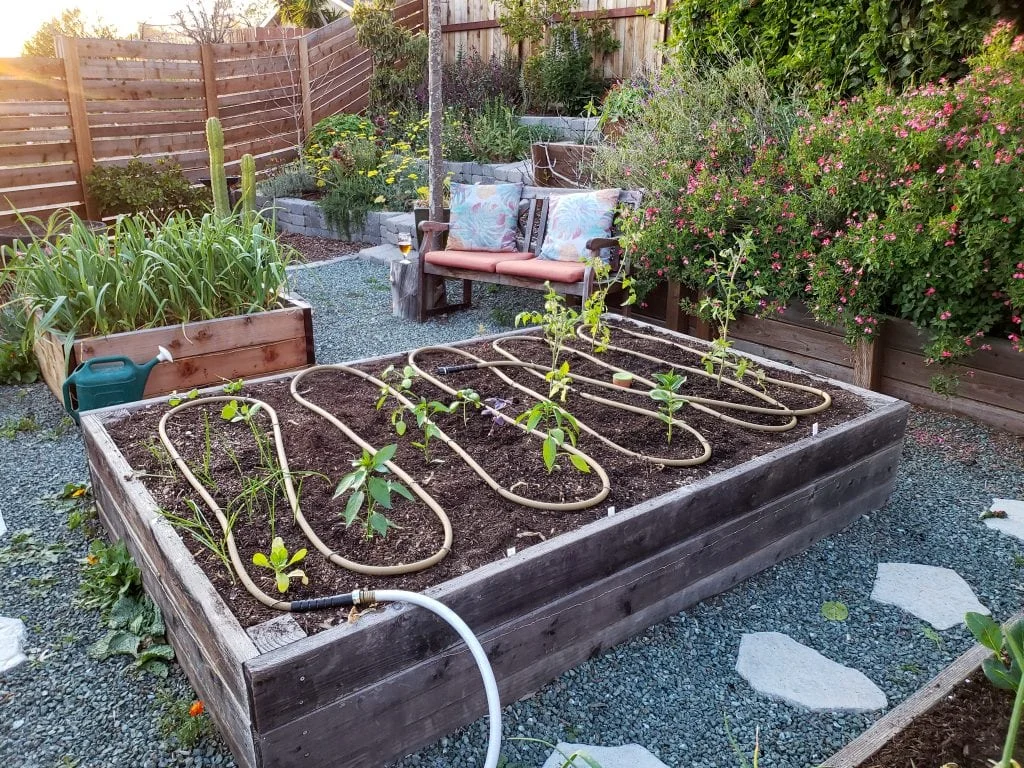
A quality garden hose constitutes a prudent investment in durability. Proper maintenance ensures reliable performance across multiple seasons of landscaping and horticultural applications.
Adhere to the following protocols to extend the service life of the garden hose:
Upon deactivation, fully evacuate residual water from the garden hose. Elevate it over the shoulder to expel any remaining moisture, as retained water can induce material degradation.
Store the garden hose away from direct sunlight exposure. Thermal expansion of contained water, combined with ultraviolet radiation, can compromise structural integrity.
After usage, coil the garden hose manually or via a reel. Address any kinks promptly by recoiling to avert potential fractures.
Evacuate water, detach all accessories, and position the garden hose in a protected environment during winter storage.
Substitute washers upon detection of leakage or seepage. Routine annual replacement in spring is recommended.
If your leak is within a foot of the male or female end connectors, simply cut off the end of the For leaks situated within approximately one foot of the male or female end connectors, sever the end of the garden hose and install a new garden hose connector.
For central hose leaks, resect the affected segment and reconnect the garden hose using a repair coupling or mender.
A leaking connector can be remedied by installing a fresh rubber hose washer. With the water supply deactivated, detach the affected hose end. Employ needle-nose pliers or a compact screwdriver to extract the degraded gasket from within the coupling.
Insert the replacement gasket into the hose coupling manually, ensuring complete seating. Reattach the garden hose and inspect for residual leaks.
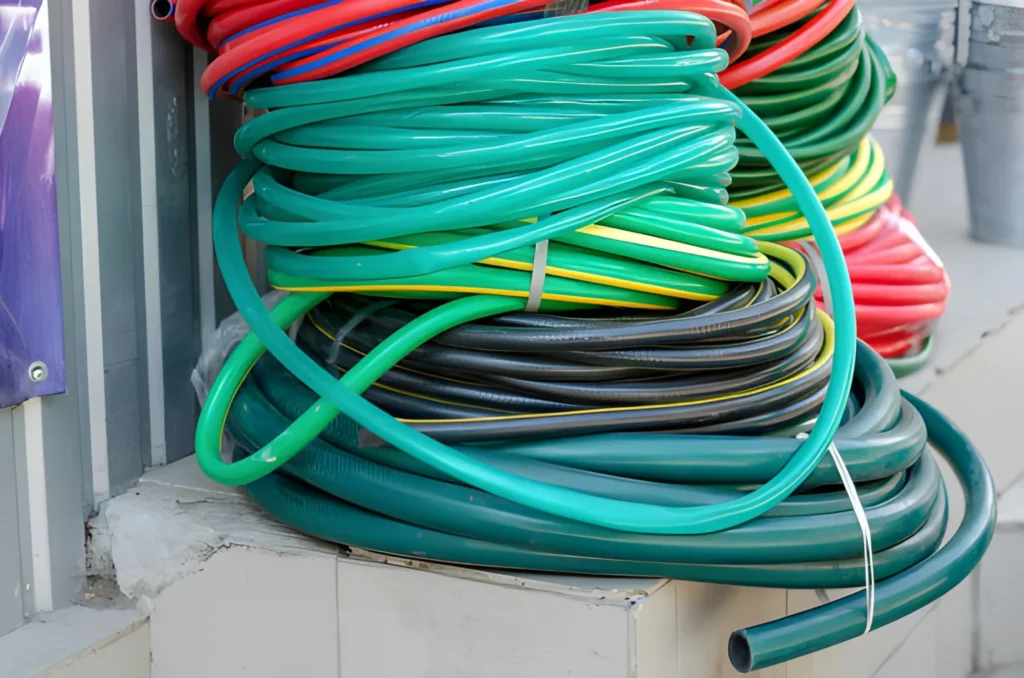
Discover durable reinforced PVC hoses offering kink resistance, high pressure tolerance, UV protection, and flexible garden and industrial use.
Read More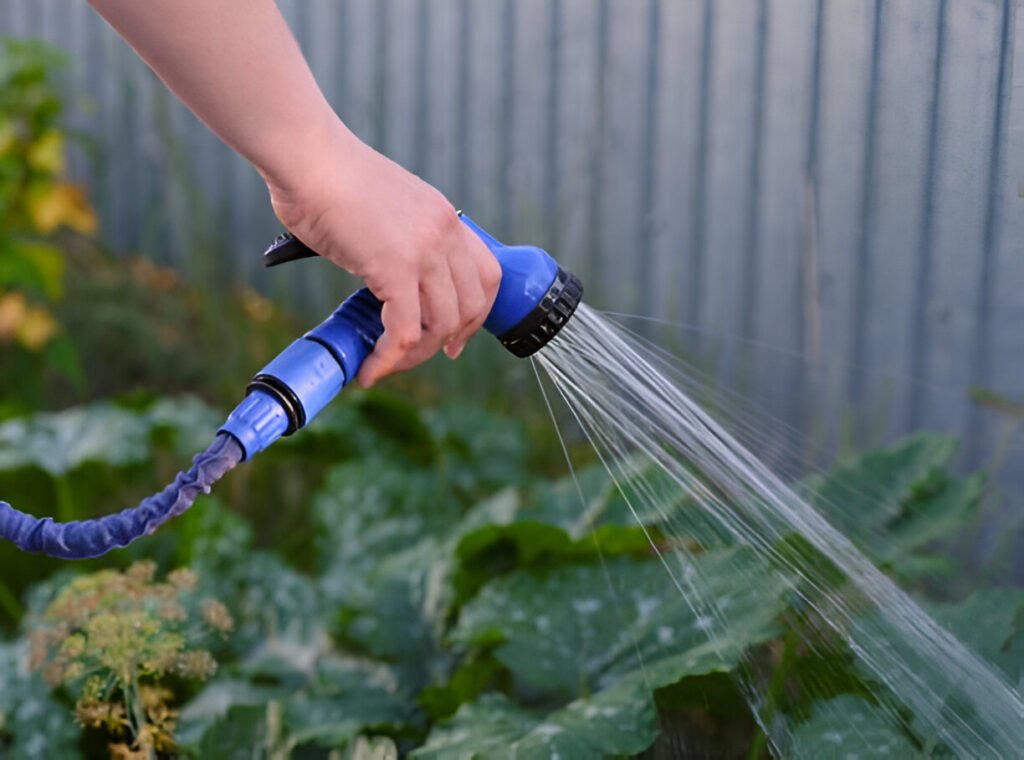
Imagine that you are standing in your garden with a squirt gun in your hand, ready to water your plants. If the squirt gun doesn’t work well, the whole process can become tiring and annoying. But if you choose the right spray gun, watering, cleaning, and even bathing your pets can be a breeze. Today, […]
Read More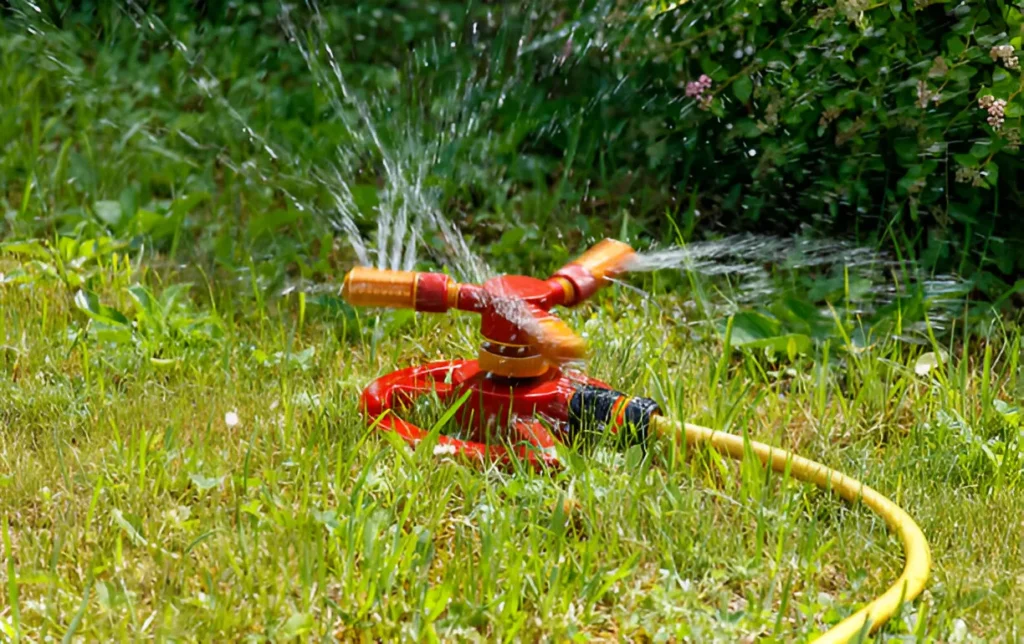
Rotary sprinklers play a vital role in keeping lawns and gardens healthy and attractive. With many options available, choosing the right sprinkler system can be confusing. In this article, we will review the benefits and drawbacks of rotary and spray sprinklers to help you make a well-informed choice. The Difference Between Rotary sprinklers and Spray […]
Read More