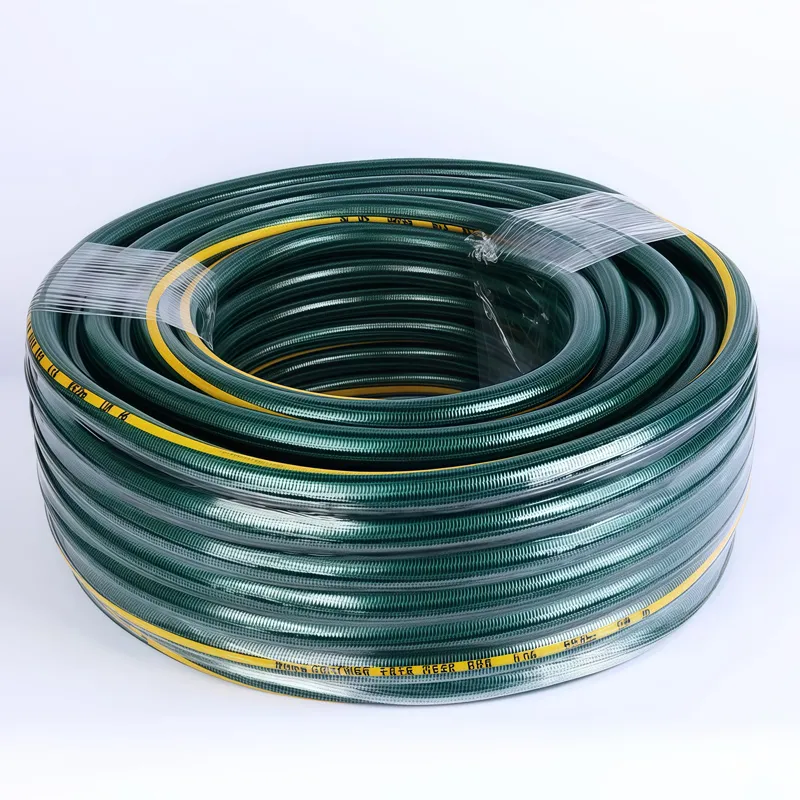
Ensuring a clean garden hose is essential for effective garden upkeep. Proper maintenance enhances operational efficiency, reduces downtime, and minimizes costs associated with plant irrigation.
This guide outlines procedures for cleaning a water hose and addresses prevalent issues in its operation.
Types of Water Hose
Before delving into maintenance protocols, identification of the hose type is crucial, as classifications vary by design parameters.
Based on Size
- Diameter: 1/2, 5/8, and 3/4 inch. Larger diameters facilitate higher water flow rates. For residential garden applications, a 3/4-inch diameter is recommended.
- Length: 25 feet, 50 feet, 75 feet, and 100 feet
Based on material
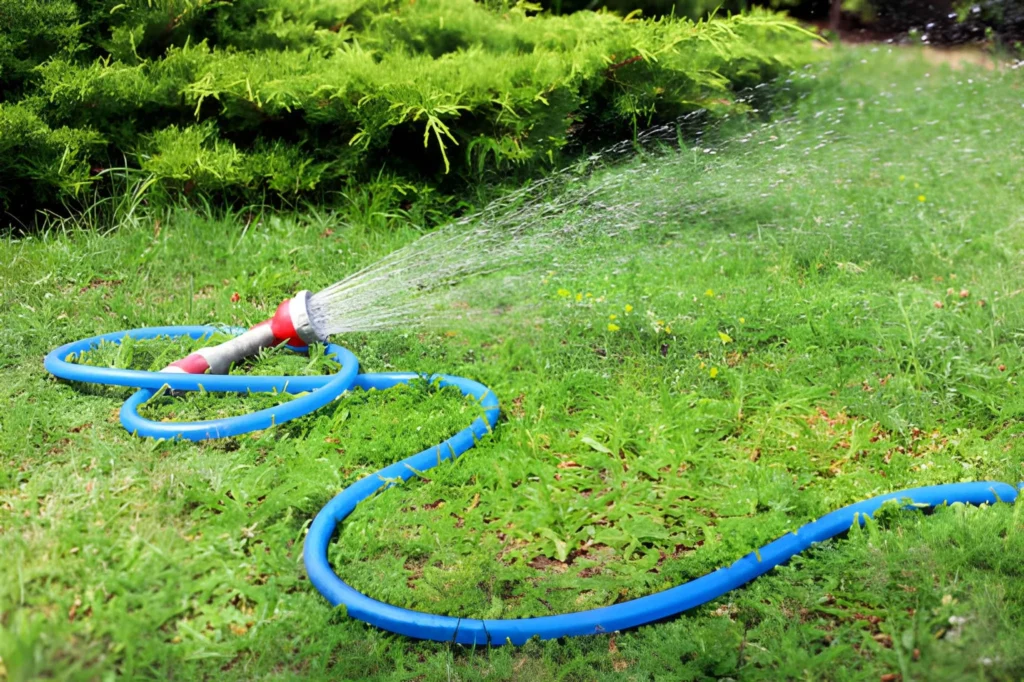
Rubber and vinyl (PVC) materials predominate in residential gardening hoses, with rubber variants offering superior longevity and flexibility at the expense of increased weight compared to vinyl.
Based on Function
Garden hoses vary in quality and serve multiple household functions beyond gardening.
Heavy-duty hoses, though heavier, exhibit enhanced pressure tolerance and reduced puncture susceptibility.
Coil hoses enable straightforward storage due to their compact design; however, they possess limited pressure-handling capacity owing to their lightweight construction.
How to Clean Garden Hose
Mold and particulate accumulation within the hose, if unaddressed, can compromise structural integrity, leading to fissures and seepage. Contaminants such as rust may also pose dermatological risks upon contact.
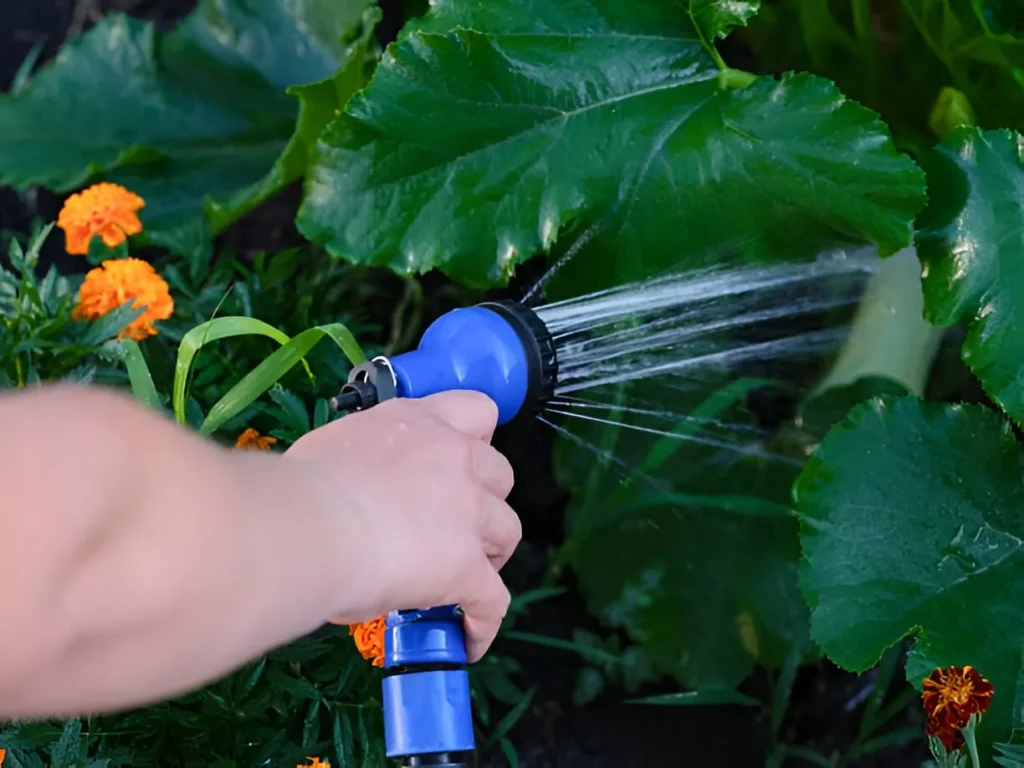
Cleaning the Nozzle
- Initially, disconnect the hose and nozzle assembly from the water supply.
- Employ a Phillips screwdriver to disassemble the nozzle head and extract the O-ring for inspection and cleaning. Clean the O-ring with a cloth, apply lubricant as needed, and reinstall it.
- Submerge the nozzle head in a container with baking soda, then add vinegar to cover it fully; the effervescent reaction will occur. Allow 30 minutes of dwell time, replenish baking soda, and repeat to eliminate surface contaminants.
- For comprehensive decontamination, insert appropriately sized needles into the orifice to dislodge residual debris.
Caution:Wear protective gloves when manipulating vinegar or cleaning agents to safeguard skin integrity. Maintain adequate ventilation in the workspace to prevent inhalation of vapors. Exercise care with tools to preclude damage to components.
Cleaning the Pipe
Proceed to decontaminate the hose conduit by first evacuating all residual water. Two methodologies are available.
The primary method utilizes the baking soda-vinegar solution: fill the hose, allow immersion for several hours or overnight based on contamination severity, then rinse thoroughly the following day.
The secondary method prioritizes environmental compatibility by avoiding chemical agents, requiring only a sponge and absorbent tissues. Compress and insert the sponge into one end, followed by tissues; connect this end to the water supply. Flow activation will expel internal algae or debris from the opposite end. Iterate until effluent is clear.
Tips for Maintaining a Clean Garden Hose
Proper Storage
For storage, evacuate all water from the hose to prevent internal pressure buildup. Shield from direct sunlight to mitigate cracking risks.
Coil into loose loops and secure with a band to maintain configuration without excessive tension.
Fully uncoil the hose prior to deployment to avert kinking.
Inspect for leaks routinely and isolate from abrasive or sharp environments.
Repairing Your Water Hose
Even with diligent efforts to maintain a clean garden hose, operational anomalies may arise; however, most are addressable through straightforward interventions.
Leaks
Leaks represent the predominant failure mode in water hoses, attributable to factors such as excessive hydrostatic pressure, material degradation, or mechanical abrasion from sharp objects. For conduit leaks, apply waterproof tape; for connector leaks, tighten the joint initially, escalating to washer replacement if ineffective.
Cracks
Cracks primarily arise from thermal cycling effects. Avoid prolonged solar exposure or subfreezing conditions, as polymer and rubber constructions degrade under such stresses; store in a controlled, arid environment.
Elevated water pressure beyond design limits may also induce internal fissuring. Localized cracks at extremities permit sectioning and continued use, whereas pervasive cracking necessitates full replacement.
Connectors
Irreparable connector fractures require procurement of replacements as the sole remedial action.