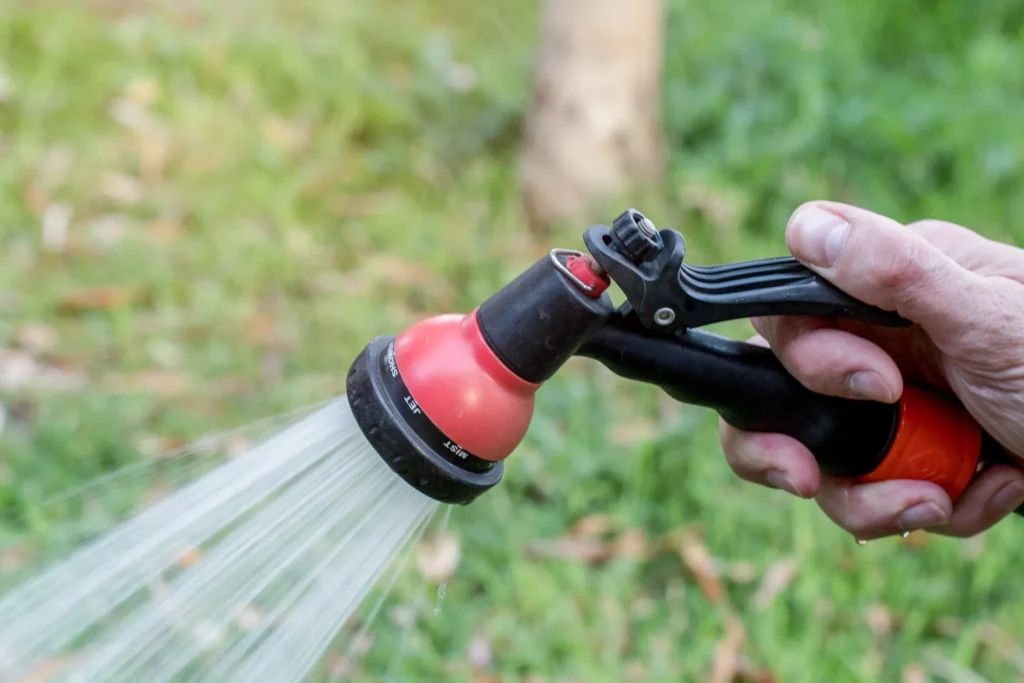
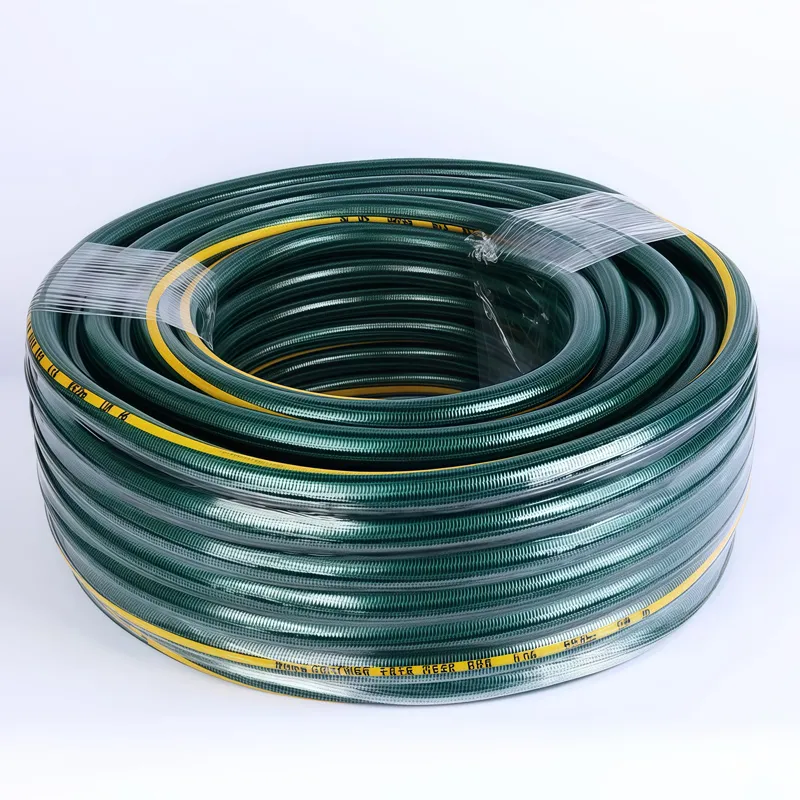
Plastic hose pipes are flexible tubes primarily made from polyvinyl chloride (PVC) designed to transport water or other fluids efficiently. Unlike rigid PVC pipes, which are hard and used in plumbing systems, plastic hose pipes are soft and flexible, making them ideal for garden watering and light-duty applications. Rubber hoses, on the other hand, tend to be heavier and more durable but less flexible than plastic hoses.
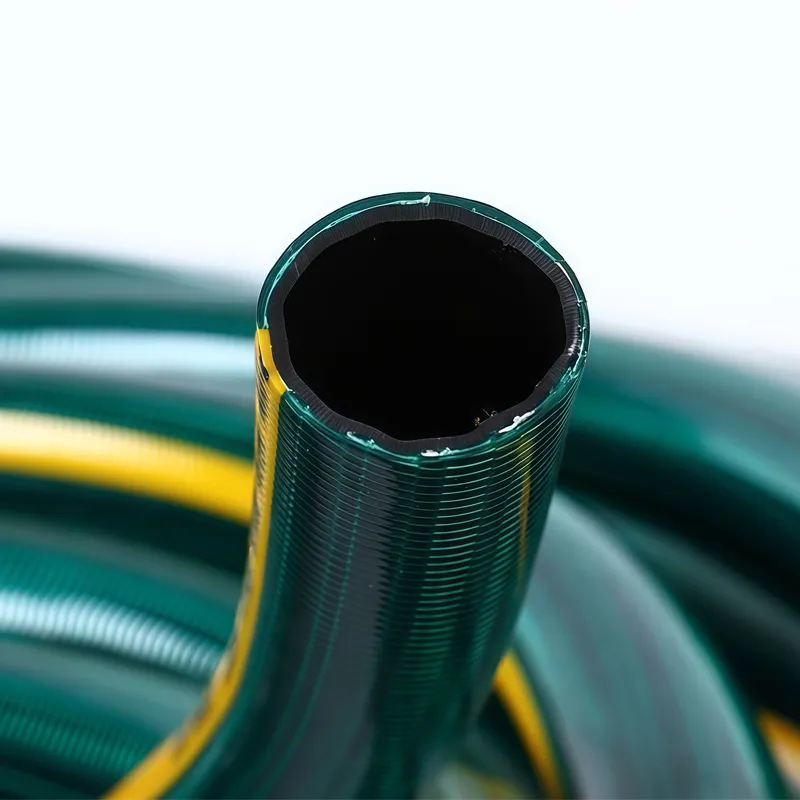
Most plastic hose pipes are crafted from PVC, available in various forms such as standard, reinforced, and clear PVC hoses. Reinforced hoses include an additional mesh or braided layer, enhancing strength and resistance to kinks. Clear PVC hoses offer visibility into the water flow, useful in specialized situations.
Key components of a quality plastic hose pipe include:
Inner tube: The smooth, watertight layer carrying the fluid.
Reinforcement layer: Usually made of braided polyester or mesh to provide durability and prevent kinks.
Outer cover: Protects against abrasion, UV rays, and weathering.
Fittings: Connectors made from brass or plastic that attach the hose to spigots, nozzles, or other accessories.
Understanding these basics helps you choose the right plastic hose pipe for your gardening or household needs, ensuring long-lasting, efficient performance.
Types of Plastic Hose Pipes
Plastic hose pipes come in several types, each suited for different needs and uses.
Standard PVC garden hoses are the most common and budget-friendly. They’re lightweight and perfect for everyday watering tasks but might kink easily without reinforcement.
Reinforced hoses feature braided or mesh layers inside the PVC, helping them resist kinks and improve durability. These are great if you want a hose that lasts and stays flexible under pressure.
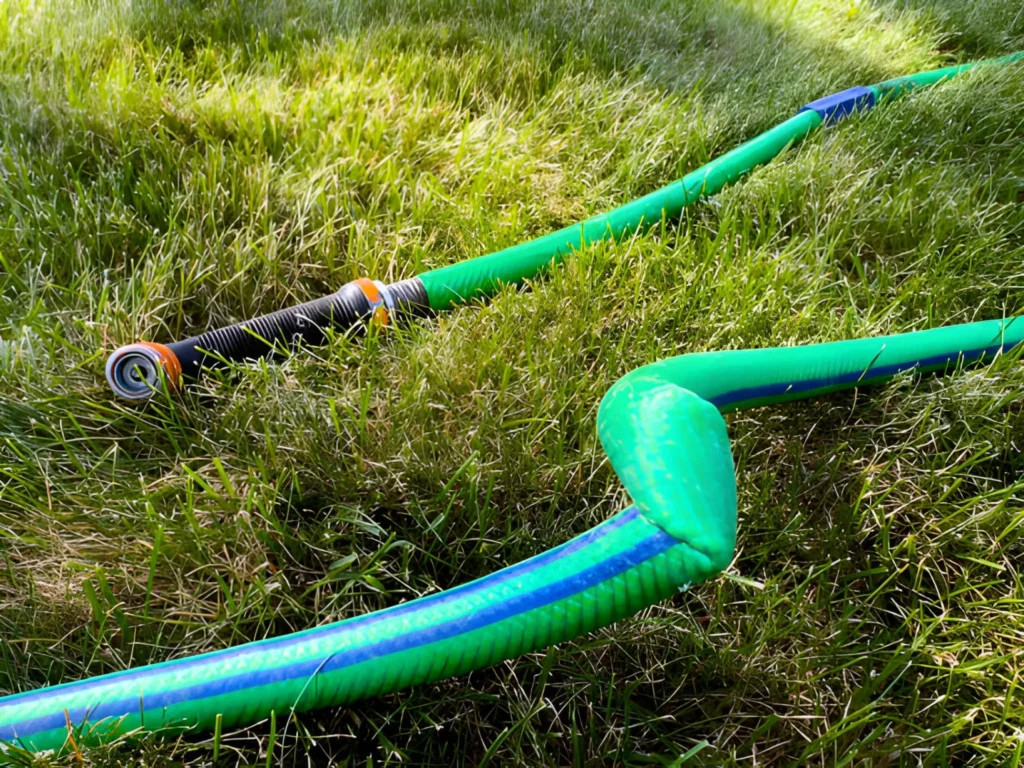
Expandable and flexible hoses are designed to stretch when filled with water, then shrink back for easy storage. They’re lightweight and take up less space but may not be as tough as reinforced options.Heavy-duty hoses are thicker and more durable, built to handle higher water pressure and rougher use. In contrast, lightweight hoses are easier to carry and maneuver, better for smaller gardens or occasional use.
Specialized hoses include soaker hoses for slow, deep watering, drinking-water safe hoses that meet health standards for potable water, and clear PVC hoses, which let you see the water flow inside — ideal for some DIY or aquarium projects.
Choosing the right type depends on your watering needs, garden size, and budget. For durable fittings and kink resistance, brands like Qiyi Garden Tools offer reliable reinforced PVC hose options you can trust. You can also find a great selection of compatible fittings in their PVC to water hose connection solutions.
Key Features to Look For in Plastic Hose Pipes
When choosing a plastic hose pipe, focus on these key features to get the best performance and longevity for your watering needs:
Feature
What to Consider
Why It Matters
Diameter & Length
Common sizes: 1/2″, 5/8″, 3/4″; lengths 25ft–100ft
Right size ensures proper water flow and reach
Burst Pressure
Check PSI ratings or durability specs
Higher burst pressure means stronger hose under pressure
Kink & Twist Resistance
Look for reinforced or braided designs
Prevents interruptions and damage during use
UV Resistance
UV stabilized hoses protect against sun damage
Extends life if left outdoors long-term
Fittings & Connectors
Brass (durable, leak-resistant) vs plastic (lightweight, affordable)
Quality connectors prevent leaks and improve hose lifespan
Weight & Flexibility
Lightweight options for easy handling; flexible hoses for storage
Easier to move and coil without damage
For example, reinforced PVC hoses with braided layers are a smart choice for tough outdoor use, offering kink resistance and higher burst strength. Lightweight and clear PVC hoses give flexibility and are easier to store, but may be less durable under high pressure.
Choosing the right fittings is just as important—brass connectors tend to be more durable and resistant to leaks compared to plastic ones, which might be cheaper but less reliable over time.
For a closer look at the difference between flexible plastic hoses and other materials, including durability and fittings, see the detailed guide on PVC flexible hose vs. rubber garden hose. This can help you understand why selecting the right diameter, length, and materials makes a big difference in daily gardening tasks.
Benefits of Choosing a Quality Plastic Hose Pipe
Choosing a quality plastic hose pipe brings several advantages, making gardening and outdoor water tasks easier and more efficient. Here’s why investing in a good one pays off:
Benefit
Details
Lightweight & easy to handle
Plastic hoses are lighter than rubber or metal options, so you can move and store them without effort.
Affordable & widely available
PVC garden hoses and related plastic hoses are budget-friendly and easy to find in most stores or online.
Resistant to weather & chemicals
Quality plastic hose pipes stand up well to sun, rain, and common garden chemicals, lasting longer without damage.
Durable and long-lasting
With proper care, a reinforced or braided PVC hose resists cracking, bursting, and abrasion over time.
Eco-friendly options
Many plastic hose pipes use recyclable PVC, reducing environmental impact when disposed of properly.
Overall, a well-made plastic hose pipe offers excellent value, combining durability with convenience. For example, the lightweight construction of reinforced or UV-resistant hoses improves ease of use during watering or cleaning tasks.
For more about durability features and recommendations, you might check out quality options like the Yellow TPE Water Hose Soft Grip available from Qiyi Garden Tools. It’s designed for long-lasting, everyday use while being easy to handle.
Choosing a solid plastic hose pipe means fewer hassles and more time spent on what matters—your garden or home care.
How to Choose the Right Plastic Hose Pipe
Picking the right plastic hose pipe starts with knowing exactly what you need. Here’s a quick guide to help:
Assess Your Needs
Garden Size: Bigger gardens usually need longer hoses (50ft+), while small patios can manage with 25-50ft.
Water Pressure: Check your home’s water pressure. Heavy-duty or reinforced hoses handle higher pressure without bursting.
Frequency of Use: For daily or heavy use, choose durable, kink-resistant hoses. Occasional watering needs can work with lightweight options.
Budget vs Premium
Basic PVC Hoses: Affordable, lightweight, good for light use and small gardens.
Reinforced Plastic Hose Pipe: These have braided or mesh layers for extra strength, adding value by resisting kinks and lasting longer.
Expandable Hoses: Great for easy storage but may not suit high-pressure setups.
Safety Features
Look for hoses that are:
Lead-free
BPA-free
Phthalate-free
These certifications ensure your plastic hose pipe is safe for drinking water and garden use.
Top Product Recommendations
Qiyi Garden Tools offers excellent options that combine superior reinforcement and kink resistance with reliable fittings. Their hoses balance durability, flexibility, and safety, making them a smart choice for any gardener.
Check out detailed information on water pipe materials and their impact on irrigation efficiency, which can help you pick the best hose for your needs: water pipe material and irrigation efficiency.
Feature
Basic PVC Hose
Reinforced Plastic Hose
Qiyi Garden Tools Hose
Durability
Medium
High
Very High
Kink Resistance
Low
High
Excellent
Suitable Water Pressure
Low to Medium
Medium to High
High
Safety Certifications
Varies
Commonly Lead/BPA Free
Lead-free, BPA-free, Phthalate-free
Price Range
Low
Medium-High
Medium-High
Choosing well means you save money over time and get better performance for your garden watering hose needs.
Top Brands and Product Recommendations
When it comes to plastic hose pipes, several top brands stand out for quality, durability, and user satisfaction. These brands offer a variety of PVC garden hoses, reinforced PVC hoses, and kink-resistant hoses suitable for different needs—from light watering to heavy-duty use.
Leading Options on the Market
Brand
Hose Type
Features
Price Range
User Rating
Qiyi Garden Tools
Reinforced braided hose
Superior reinforcement, kink-resistant, durable fittings
$$
4.7/5
FlexiHose
Expandable plastic hose
Lightweight, flexible, easy store
$
4.2/5
AquaFlow
Standard PVC garden hose
UV-resistant, affordable
$
4.0/5
ToughGarden
Heavy-duty rubber blend
Burst-proof, durable
$$$
4.5/5
Spotlight on Qiyi Garden Tools
Qiyi Garden Tools leads the pack with its high-quality plastic hoses featuring:
Superior reinforcement through braided fiber layers, enhancing strength and longevity.
Kink-resistant design that keeps water flowing without interruptions.
Reliable brass and plastic garden hose fittings for leak-free connections.
UV and abrasion-resistant outer covers for all-weather durability.
Their PVC garden hose fiber model is a popular choice, balancing flexibility, strength, and price, making it ideal for everyday lawn and garden watering needs.
For lightweight and anti-kink options, check out the blue TPE garden hose from Qiyi, designed for easy handling and reliable performance.
Choosing from these trusted brands means you get a plastic hose pipe that’s built to last, easy to use, and suitable for a wide range of watering tasks.
Maintenance and Care Tips for Plastic Hose Pipes
Taking care of your plastic hose pipe ensures it lasts longer and performs well season after season. Here are some practical tips to keep your garden watering hose in top shape:
Proper Storage: Always store your hose coiled loosely in a cool, dry place. Avoid sharp bends or tight coils that cause kinks and cracks, especially in PVC garden hoses. Using a hose reel or cart, like the ones from Qiyi Garden Tools, helps keep hoses organized and damage-free.
Cleaning: Rinse out your hose regularly to remove dirt, debris, and buildup inside. This prevents blockages and keeps water flowing smoothly. For clear PVC hoses, cleaning also helps maintain transparency.
Winterizing: Before cold weather hits, drain all water from the hose to prevent freezing and cracking. Store it indoors or in a protected shed if possible. For expandable plastic hoses, extra care in draining is key to avoid burst damage.
Troubleshooting Common Issues:
Check fittings for leaks and tighten or replace as needed.
Inspect the hose for cracks or holes and patch minor leaks with repair kits.
If the hose bursts, look for weak spots caused by wear or UV damage, and consider upgrading to UV-resistant or reinforced PVC hose for better durability.
Extend Hose Lifespan:
Avoid dragging your hose across rough surfaces.
Use kink-resistant or braided garden hoses to reduce stress from bending.
Keep the hose out of direct, intense sunlight when not in use to reduce degradation.
By following these simple steps, your plastic hose pipe will stay reliable and effective for watering needs year-round. For organized storage solutions, consider options like the large water pipe storage cart designed to protect and extend your hose’s life.
Accessories and Add-Ons for Plastic Hose Pipes
To get the most out of your plastic hose pipe, consider essential accessories that improve functionality and ease of use.
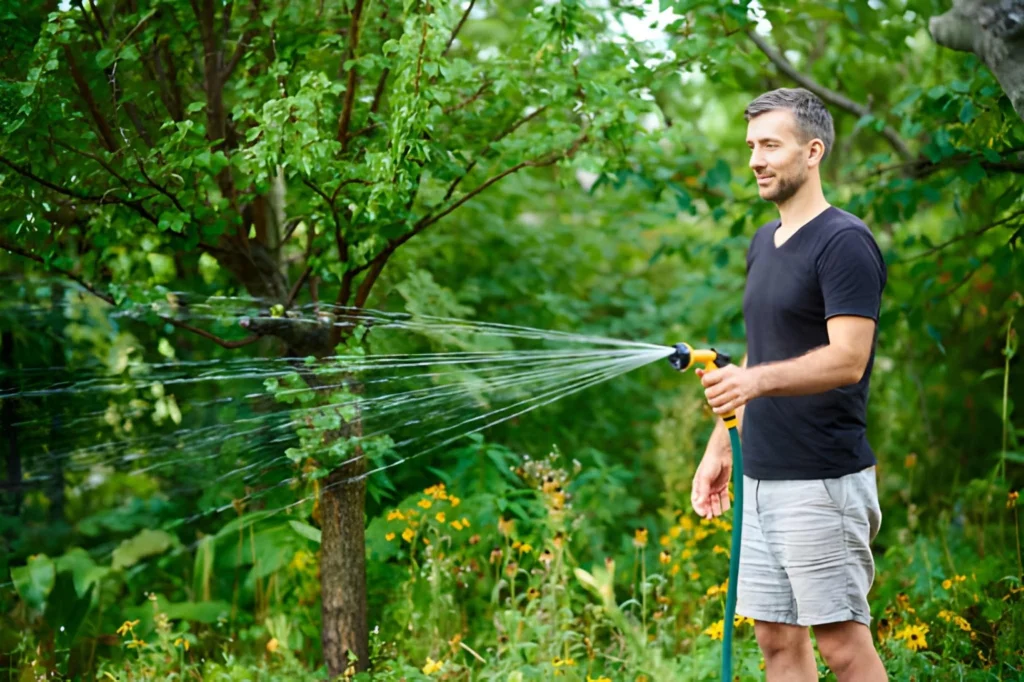
Nozzles and Sprinklers: These let you control water flow and spray patterns, perfect for garden watering hoses or lawn irrigation.
Connectors and Adapters: Handy for joining hoses, attaching to different faucets, or adding sprinklers. Look for durable garden hose fittings, ideally brass or reinforced plastic, for a secure fit.
Repair Kits: Even the best reinforced PVC hoses can face leaks or cracks. Having a repair kit nearby keeps you ready to fix minor damages quickly without replacing the entire hose. Qiyi Garden Tools offers reliable repair kits that suit various hose types, which you can check out here.
Hose Reels and Carts: Keep your hose organized and tangle-free. Lightweight garden hose reels or carts make storing your hose easier while protecting it from kinks and damage.
Using the right add-ons not only extends the lifespan of your plastic hose pipe but also makes watering tasks smoother and more efficient.
Frequently Asked Questions
Are plastic hose pipes safe for drinking water?
Yes, many plastic hose pipes are designed specifically for drinking water and are made from non-toxic, BPA-free, lead-free, and phthalate-free PVC materials. These drinking water safe hoses ensure no harmful chemicals leach into your water, making them suitable for gardens, RVs, or even home use. Always check product certifications to be sure.
How do they compare to rubber or hybrid hoses?
Plastic hoses, especially PVC garden hoses, are generally lighter and more affordable than rubber hoses. They offer good flexibility and UV resistance but may not be as durable under extreme weather or heavy use as reinforced rubber or hybrid hoses. Hybrid hoses can combine the best of both worlds but often come at a higher cost. For everyday garden watering, quality plastic hose pipes with added reinforcement are often sufficient.
What length and diameter should I choose?
Length depends on your garden or watering area size, ranging from 25ft to 100ft or more. Diameter options like 1/2″, 5/8″, or 3/4″ affect water flow. A 5/8″ diameter is the most common and balances pressure and ease of handling well. For high water pressure or longer distances, larger diameters may help reduce pressure loss.
Can they withstand high water pressure?
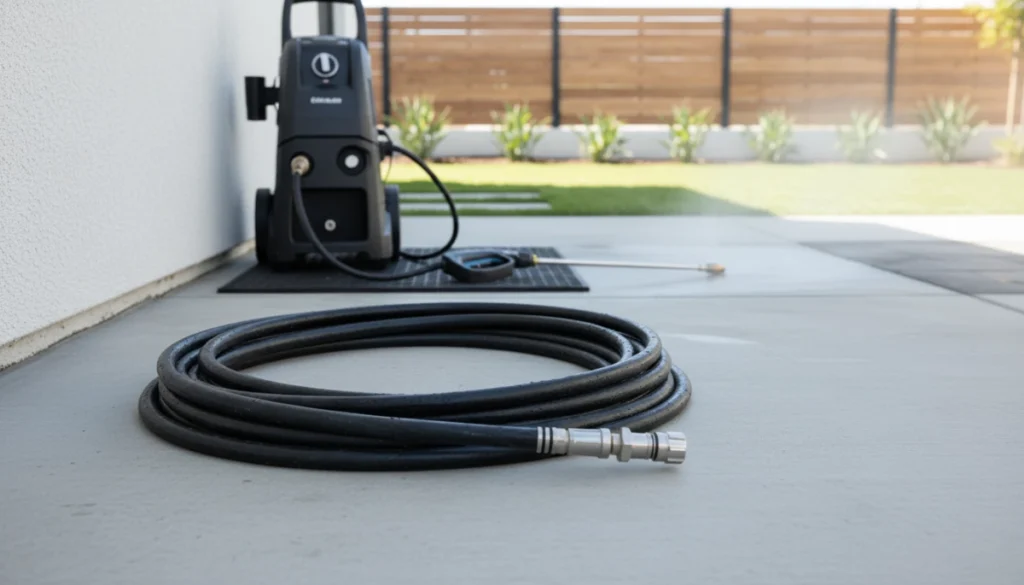
Yes, many plastic hose pipes, especially reinforced or braided PVC hoses, are built to handle high water pressure and resist bursting. Always check the burst pressure rating to match your water system. For example, hoses with ratings above 200 psi are suitable for most residential and some industrial applications. If you’re managing high-pressure needs, products like those detailed in Qiyi Garden Tools’ high-pressure fluid hoses offer reliable options.
Learn what garden hose flow rate means, how to work it out, and what affects it in everyday use. This will help you choose the right flow rate for your irrigation setup and for regular garden watering. What is garden hose flow rate? Garden hose flow rate means how much water moves through a hose […]
Dissecting the Hose: What is Inside Matters A pressure washing hose is a composite tool engineered to withstand extreme hydraulic stress, not just a simple rubber tube. At our factory, we approach hose construction as a precise science, ensuring every layer contributes to the overall structural integrity and ISO9001 compliance. We understand that for industrial applications, the […]
Water is one of the most valuable resources for humans. Only about 1% of the Earth’s freshwater is easy to reach. Our gardens depend on water to grow. More importantly, all the animals in our gardens, our pets, and even we and our families need it to live. Because of this, it’s important to avoid […]
We use cookies to enhance your browsing experience, serve personalised ads or content, and analyse our traffic. By clicking "Accept All", you consent to our use of cookies.