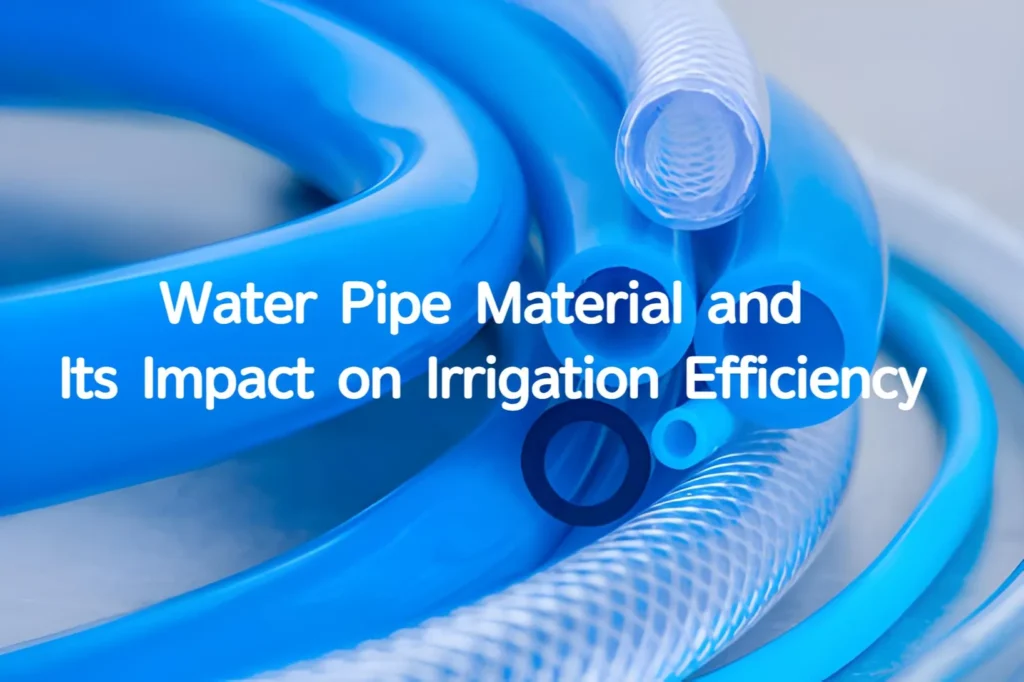
In modern agriculture and horticultural irrigation systems, the “water pipe material” is a critical factor that directly influences “irrigation efficiency” and “water-saving performance.”
Selecting the right water pipe material not only ensures stable water flow, reduces leak risks and maintenance costs but also significantly extends the lifespan of the irrigation system.
This article provides a thorough analysis of common irrigation pipe materials and their concrete impacts on irrigation outcomes, helping farmers and gardening enthusiasts achieve efficient and sustainable irrigation.
Why Water Pipe Material Is Crucial to the Success of Irrigation Systems
The water pipe serves as the “lifeline” for water conveyance, and the choice of material determines several key characteristics such as water flow resistance, leak risk, pressure tolerance, and UV resistance. These factors collectively affect precise water delivery and system reliability.
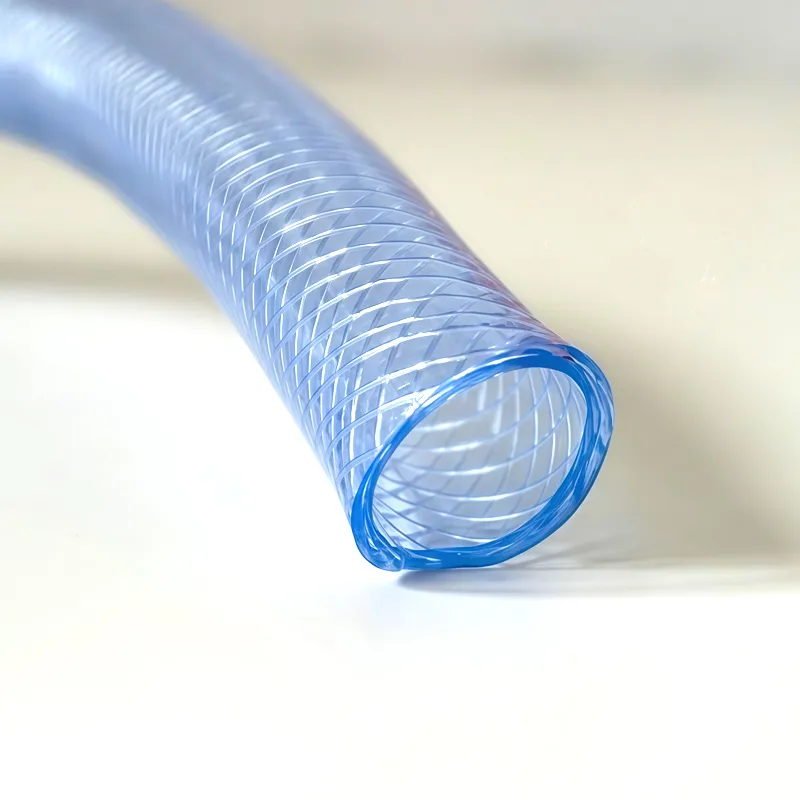
For example, while PVC pipes are cost-effective, their vulnerability to UV degradation often causes cracking and leakage problems, which can result in water waste. In contrast, PE pipes can dramatically reduce maintenance needs and improve water-saving efficiency.
Detailed Analysis of Core Water Pipe Materials
1. PVC Pipes
PVC pipes retain some market share in agricultural and horticultural irrigation due to their affordability and moderate strength. However, their susceptibility to UV damage when exposed to sunlight leads to brittleness and cracking. Proper sealing technology and UV protection measures are essential to prevent frequent leak issues. Furthermore, the hard inner surface of PVC pipes can cause turbulent water flow and sediment buildup, increasing maintenance complexity.
2. PE Pipes (Polyethylene)
PE pipes have become the mainstream choice for water-saving irrigation because of their excellent flexibility, corrosion resistance, and durability. They exhibit strong UV resistance and high-pressure tolerance, with smooth interiors that minimize flow resistance and promote uniform irrigation. The heat-fusion connection method minimizes leakage, extending overall system longevity, especially suitable for large-scale agricultural irrigation requiring stable pressure.
3. Rubber Pipes
Rubber pipes offer outstanding elasticity and wear resistance, ideal for complex terrains and mobile irrigation setups. Despite higher costs, their excellent cold resistance and chemical stability make them particularly valuable for garden and greenhouse irrigation systems. Maintenance mainly involves preventing aging and cracks caused by prolonged exposure.
How Water Pipe Materials Specifically Influence Irrigation Efficiency
Durability Guaranteeing Efficiency: The material’s strength impacts the pipe’s resistance to pressure and fractures. PE pipes’ durability ensures stable, long-term water delivery, preventing water loss from pipe damage.
Flow Stability: Materials with uniform diameter and smooth internal surfaces reduce turbulence and pressure fluctuation, enabling precise and uniform water distribution that boosts crop yields and water utilization.
Leakage Impacting Water Savings: Leakages waste water and can cause uneven soil moisture, adversely affecting plant health. Quality PE pipes combined with proper installation reduce leak risks, promoting water conservation.
Material Recommendations Based on Different Irrigation Scenarios
Large-Scale Agricultural Irrigation: High-pressure-resistant and corrosion-proof PE pipes paired with automated controls enable efficient water-saving irrigation management.
Gardening and Greenhouse Irrigation: Rubber pipes excel in flexibility and durability for temporary or mobile sprinkler systems.
Cost-Effective or Temporary Irrigation: PVC pipes are viable low-cost options but require UV protection and regular maintenance to prevent premature wear.
Maintenance Strategies and Common Issue Mitigation
UV Damage Prevention: Use UV-resistant coatings or shading to slow material degradation.
Filtering and Flushing: Install filters and flush pipelines regularly to remove sediments and maintain stable water pressure.
Timely Crack Repairs: Detect small cracks early and fix or replace sections to prevent leaks.
Proper Storage and Handling: Avoid prolonged sun exposure and sharp bends during off-season to extend pipe life.
Save Water, Boost Efficiency
Learn how selecting the right water pipe material can transform your irrigation results. Let our specialists help you pick the perfect pipes for your needs.
Water pipe material is foundational for superior irrigation system performance.
Choosing high-quality, water-saving materials such as PE pipes and practicing scientific maintenance can significantly enhance irrigation efficiency and sustainability.
Contact a professional supplier to receive expert advice on pipe material selection and premium products, supporting you to build a modern, high-efficiency water-saving irrigation system.
What water pipe materials are best for agricultural irrigation?
Polyethylene (PE) pipes are highly recommended due to their durability, flexibility, and resistance to UV and corrosion, making them ideal for large-scale and high-pressure irrigation systems.
How does the material of a water pipe affect irrigation efficiency?
Different materials affect water flow stability, leak risk, and lifespan. High-quality materials like PE reduce leaks and maintain steady water pressure, improving irrigation uniformity and saving water.
Can PVC pipes be used for outdoor irrigation?
Yes, but PVC pipes need UV protection and regular inspection because prolonged sun exposure can cause them to become brittle and crack over time.
What maintenance is required for irrigation water pipes?
Regular checks for leaks or cracks, flushing to prevent clogging, and protecting pipes from extreme sun or harsh weather extend pipe life and maintain performance.
How to choose the right sprinkler for specific irrigation needs?
Select sprinklers based on the area size, water pressure, and crop type. For example, rotary sprinklers are suitable for large fields, while drip systems fit row crops or gardens needing precise watering.
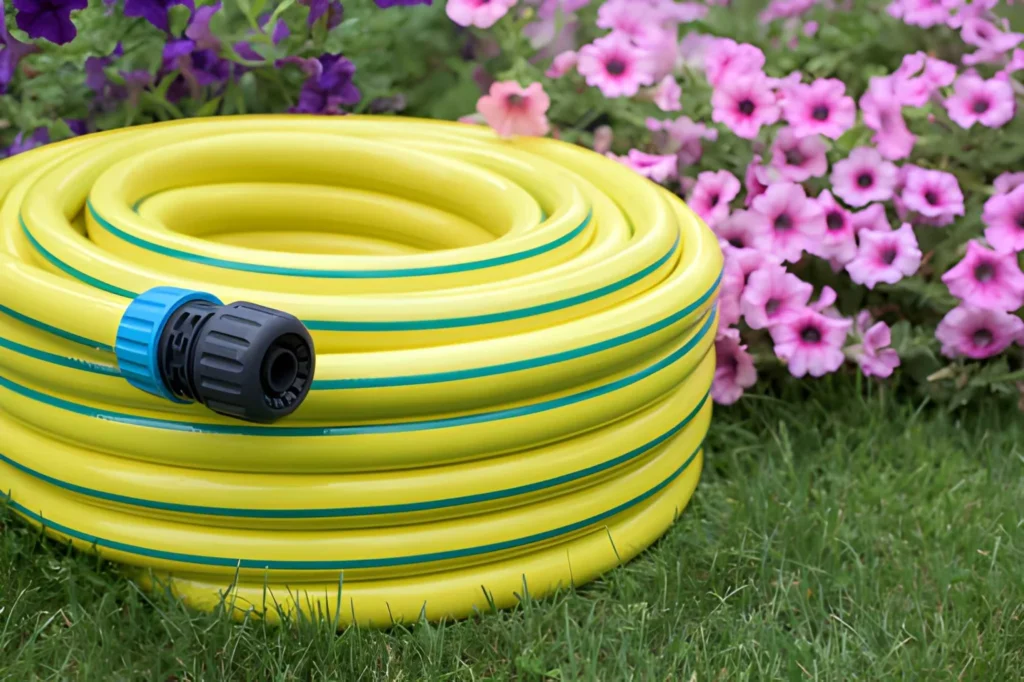
A high-quality garden hose facilitates precise water delivery to vegetation and arboreal elements, supporting sustained landscape hydration. This guide outlines optimal garden hose thread dimensions and configurations for turf and horticultural applications. Find the Right Garden Hose for Your Outdoor Space Garden hoses are available in diverse configurations, pigmentation options, and dimensional profiles. Certain models […]
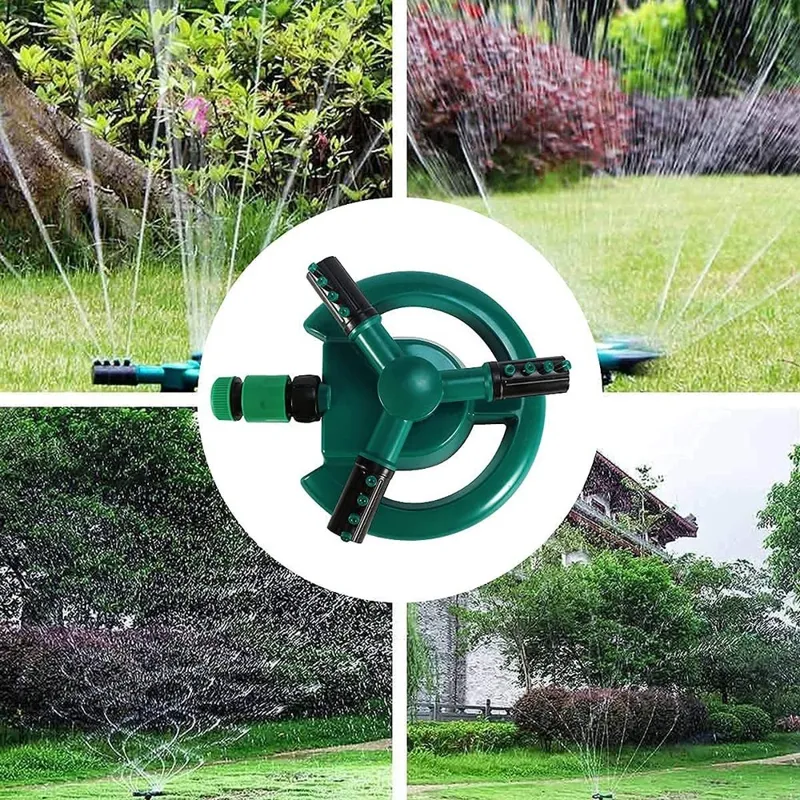
Maintaining a lush, healthy garden requires consistent and efficient watering. Whether you’re a weekend gardener or a landscaping professional, the right irrigation tools can make all the difference. One such tool that has been gaining popularity for its effectiveness and ease of use is the 360 Rotating Sprinkler. In this article, we explore why this sprinkler […]
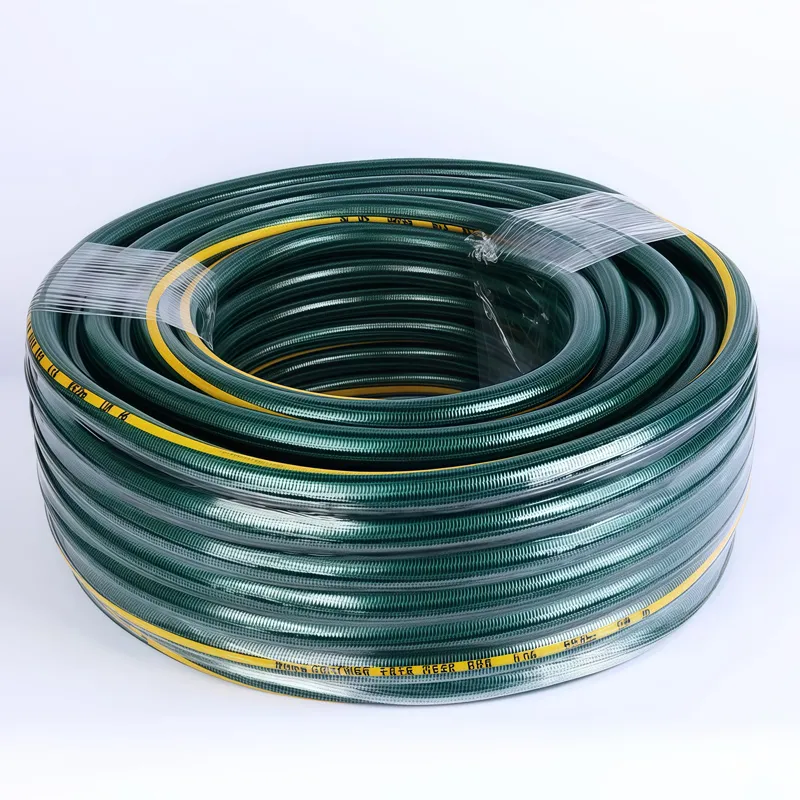
When it comes to outdoor activities, particularly gardening, having the right tools can make all the difference. One tool that often gets overlooked but is absolutely essential is the PVC Water Hose . You may not realize it, but the quality and durability of your water hose can significantly impact the ease and efficiency of […]
We use cookies to enhance your browsing experience, serve personalised ads or content, and analyse our traffic. By clicking "Accept All", you consent to our use of cookies.