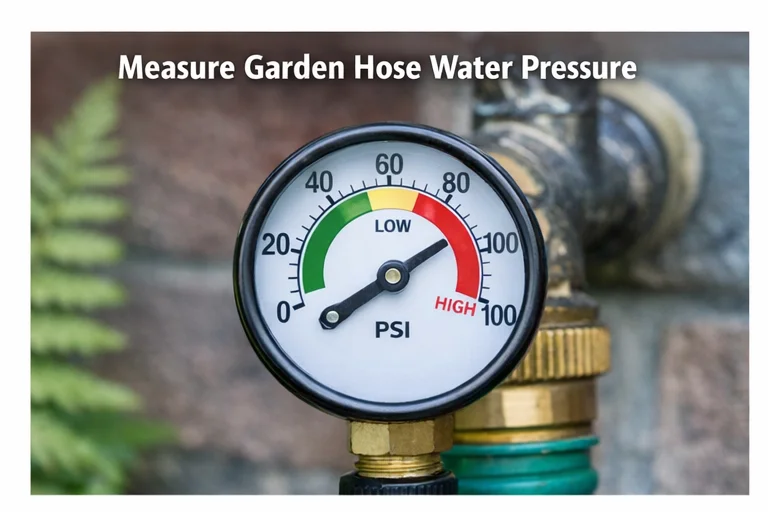
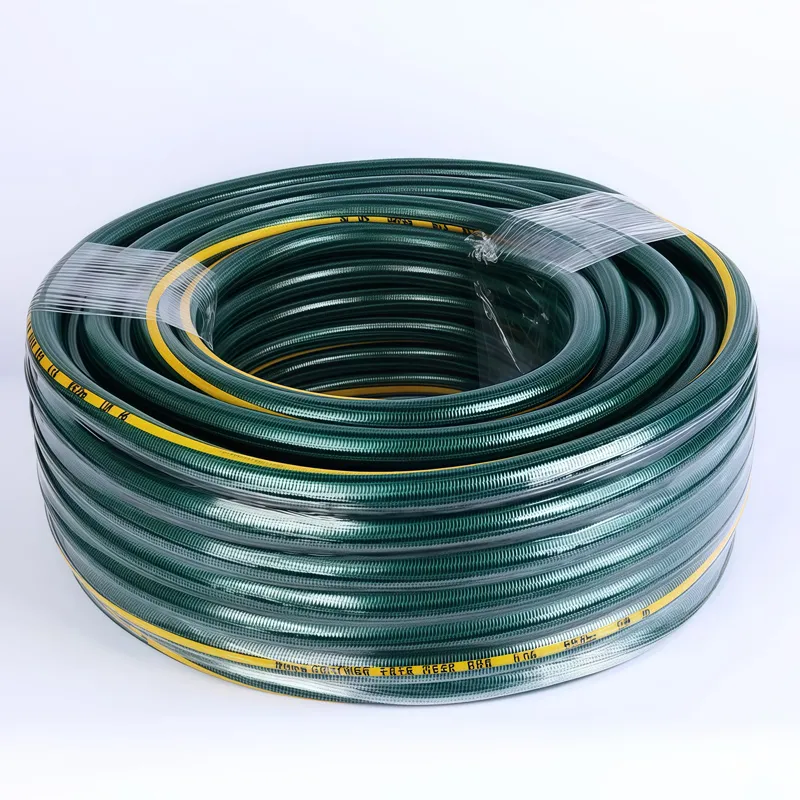
To check your water pressure, use a pressure gauge available at hardware stores. The optimal garden hose water pressure typically ranges from 40 to 60 psi. If the pressure is below 40 psi, you might need to adjust a pressure regulator or consider a booster pump.
This guide will help you troubleshoot these issues and offers alternative solutions if the usual fixes don’t work.
1. Identify Possible Leaks
Leaks are the most frequent cause of low water pressure. To check for leaks in your hose:
Unroll the hose and lay it flat on the ground.
Turn on the water.
Walk slowly along the hose, looking for water droplets or mist escaping. If you spot a leak, a rubber patch kit can help you fix it.
2. Check Hose Connections
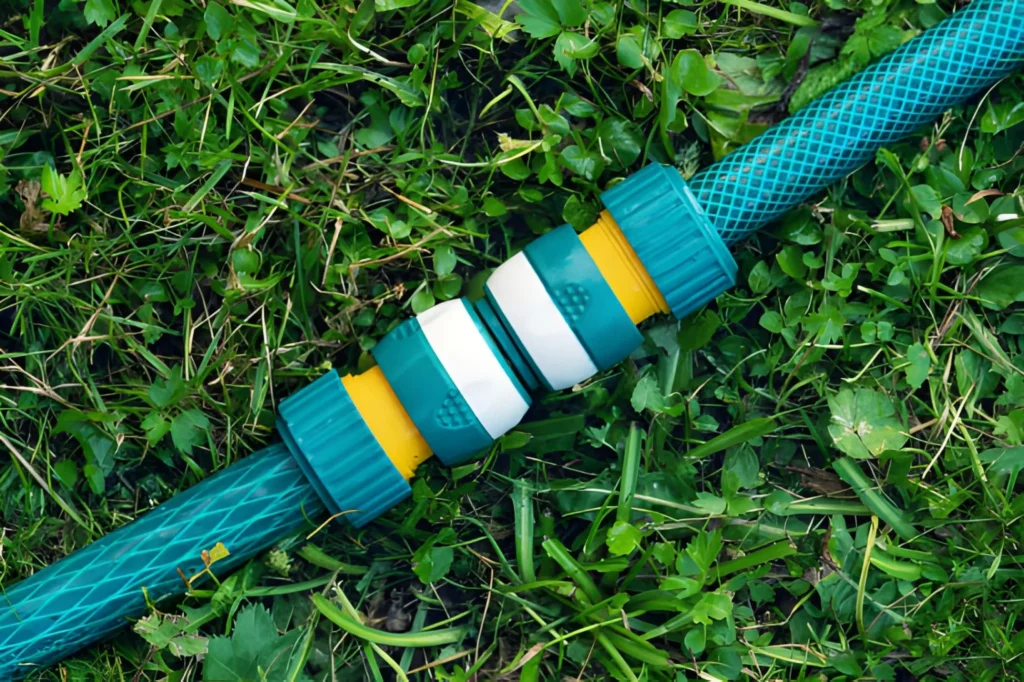
Loose connections can greatly reduce water pressure. Make sure to tighten fittings at both the water supply and the hose nozzle. If pressure remains low, try disconnecting the hose from both ends and reconnecting firmly. Persistent problems may indicate another issue affecting flow.
3. Kinks or Twists in the Hose
Bends or twists can block water flow and lower pressure. Straighten any kinks by rewinding the hose if possible. This not only improves pressure but also prevents hose damage, as severe kinks may cause splits or leaks. Keeping your hose shorter when watering can reduce slack and minimize kinks.
4. Blockages or Dirt
Dirt, mineral deposits, algae, and mold can clog your hose or nozzle, cutting down on pressure. Clearing these blockages boosts water flow. Be cautious—build-up of mold or algae can also contaminate the water and harm your plants.
Issue Type
Inspection and Solutions
Leaks
Unroll the hose flat, turn on water, and slowly check along the hose for water droplets or mist. Repair leaks with a rubber patch kit.
Loose Connections
Tighten fittings at both the water supply and nozzle. If pressure is still low, disconnect both ends and reconnect firmly. Persistent low pressure may indicate other issues.
Kinks or Twists
Straighten the hose by uncoiling or rewinding to remove bends. Keep the hose shorter to reduce slack and prevent splits or leaks.
Blockages or Dirt
Remove dirt, mineral deposits, algae, and mold from the hose and nozzle. Blockages reduce pressure, and mold/algae can contaminate the water and harm plants.
How to Measure Your Garden Hose Water Pressure
Before attempting any fixes, it’s important to measure your current water pressure to understand the extent of the problem.
Using a Pressure Gauge
Attach a garden hose pressure gauge directly to your faucet.
Turn on the water fully and read the PSI (pounds per square inch).
Typical garden hoses operate between 40–60 PSI.
If your reading is significantly lower, the issue may originate from your water source rather than the hose itself.
Proven Techniques to Increase Garden Hose Pressure
Check and Tighten Connections
Loose or damaged fittings can cause leaks and reduce pressure. Inspect all connections and ensure they are securely tightened to maintain optimal water flow.
Clean and Unclog Hose & Nozzle
Mineral buildup or debris can block water flow. Remove the nozzle and flush water through the hose. For stubborn clogs, use a vinegar solution or soak the nozzle overnight to dissolve deposits.
Remove Kinks, Twists, and Debris
Inspect the hose for bends or twists and straighten them. Even minor kinks can significantly reduce pressure and water flow.
Shorten Hose Length or Increase Diameter
A shorter hose reduces friction loss and allows water to flow more freely. Additionally, upgrading to a larger diameter hose (5/8″ or 3/4″) can improve overall flow without increasing the source pressure.
How to clean your garden hose
Disconnect the hose from the water supply and remove the nozzle.
Lay the hose flat inside a large tub or container.
Prepare a cleaning solution by mixing equal parts water and regular white vinegar.
Fully submerge the hose in this solution and let it soak for 24 hours.
After soaking, flush the hose thoroughly with clean water to remove loosened dirt and deposits.
If low water pressure remains an issue, try massaging any suspected blockage manually. You can also create a scrubbing tool by attaching a dish scourer to a rod or similar, as demonstrated in this helpful video.
How to unclog your garden hose nozzle
Start by unscrewing the nozzle cap. Place the cap in a shallow bowl filled with regular vinegar and let it soak for 24 hours. After soaking, screw the cap back onto the nozzle and test the water pressure.
Pro tip: To stop mold and algae from building up, always store your hose out of direct sunlight!
Check the Pressure at the Mains Supply via Garden Tap
Low water pressure may be caused by problems with your hose, the pressure tank, or the municipal water system. To find out where the issue lies, you can measure the pressure at your main water supply.
What You Need
Purchase a water pressure gauge from a hardware or garden store. Look for one that includes a rubber gasket to create a tight seal. This ensures the most precise pressure reading by preventing leaks between the gauge and the tap fitting during measurement.
How to Measure Water Pressure
Locate your main water supply tap, usually found near the front boundary of your property.
Turn off all water outlets inside your home, including taps, showers, and appliances like dishwashers.
Attach the pressure gauge securely to the garden tap outlet. Make sure the rubber gasket is in place, and tighten the gauge firmly—pliers can help if needed.
Turn the water fully on and read the pressure gauge.
Understanding the Reading
Ideal water pressure should fall between 40 and 60 PSI.
If the pressure is below 40 PSI, you can try adjusting the screw on your pressure regulator if available, or consider installing a water pressure booster pump for improved flow.
Additional tip: When installing the gauge, ensure the rubber gasket is properly seated between the gauge and the tap threads to prevent water leakage and inaccurate measurements. Tightening the gauge sufficiently but without overtightening is important to maintain a secure seal and correct gauge orientation.
Best Practices for Maintaining Optimal Hose Pressure
Regular Inspections: Check hoses for leaks, cracks, and wear.
Proper Storage: Avoid kinks by storing hoses on reels or hooks.
Clean Nozzles Periodically: Mineral buildup reduces pressure over time.
Avoid Excessive Lengths: Only use hose lengths necessary for your garden layout.
Advanced Solutions (When DIY Fixes Aren’t Enough)
Should you use a high-pressure nozzle on your garden? No. Such nozzles focus water too strongly and can harm your plants. They are better suited for cleaning tasks around your garden.
If you’ve already checked the top 5 common causes of low water pressure without success, consider these options:
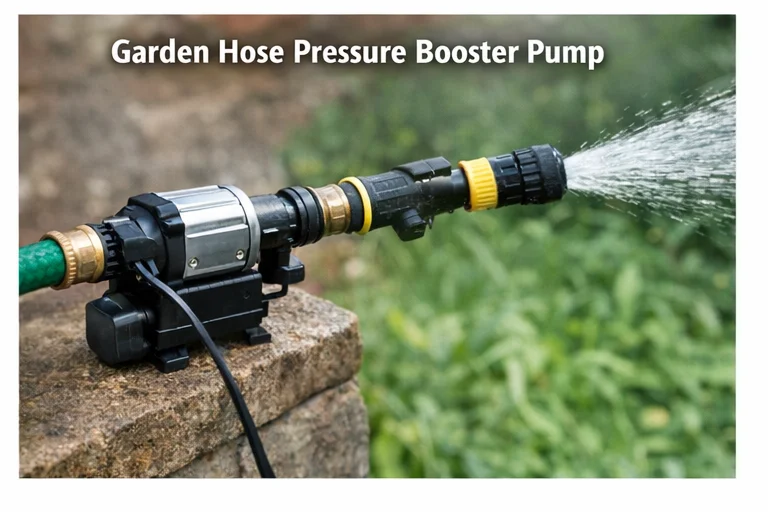
Adding a Booster Pump
A booster pump increases water pressure not only to your garden hose but also to other outlets in your home. These pumps connect to the garden hose and an electrical outlet and often include a small water tank. They work somewhat like a pressure washer but with gentler pressure. Prices typically range from $50 to over $300. Higher-end models usually offer multiple pressure settings and spray patterns.
Shortening the Length of the Hose
Water pressure drops the farther it has to travel. Using a shorter hose helps by reducing the distance water flows, which increases both the volume and speed of water through the hose — in other words, better pressure. Will rolling up the hose reel improve pressure? No, because it doesn’t reduce the water travel distance. However, keeping the hose as neatly rolled as possible while in use helps prevent kinks and leaks. It also limits exposure to sunlight, which reduces the chance of mold and algae buildup inside the hose that can block water flow.
Increasing Hose Diameter
A hose with a larger diameter (for example, 5/8 inch) allows more water to flow, which can raise the pressure at the nozzle by reducing resistance inside the hose. On the other hand, a smaller diameter hose (such as 1/2 inch) decreases pressure but increases water speed. Smaller hoses can be useful over long distances but usually aren’t ideal for typical garden watering.
Conclusion
We’ve covered all the key steps to boost your garden hose water pressure. For most people, the quickest fixes are repairing leaks, clearing blockages, tightening connections, and straightening kinks.
Measuring your water pressure will help pinpoint where the problem lies.
If those solutions don’t do the trick, consider installing a booster pump and choosing a shorter hose with a wider diameter.
Proper water pressure keeps your garden healthy and reduces water waste.
Put these proven tips into practice now to improve your garden’s water flow and efficiency!
FAQ
Will a larger diameter hose increase pressure?
A larger diameter hose reduces friction loss and allows more water flow, but it does not increase the source water pressure.
How do I know if my water main pressure is the problem?
Measure the water pressure directly at the faucet without a hose attached. If it’s below 40 PSI, the source may need professional attention.
Can I use a pressure booster on any hose?
Most boosters work with standard garden hoses, but always check the manufacturer’s specifications before installation.
Dissecting the Hose: What is Inside Matters A pressure washing hose is a composite tool engineered to withstand extreme hydraulic stress, not just a simple rubber tube. At our factory, we approach hose construction as a precise science, ensuring every layer contributes to the overall structural integrity and ISO9001 compliance. We understand that for industrial applications, the […]
When cleaning the outside of your home such as driveways, patios, and decks, homeowners often wonder whether to use a regular garden hose or a power washing . Both can remove dirt, but they differ greatly in how efficient and effective they are, as well as in the effort required. Knowing these differences helps you […]
We use cookies to enhance your browsing experience, serve personalised ads or content, and analyse our traffic. By clicking "Accept All", you consent to our use of cookies.