Are you searching for the right hose to handle your water transfer, agricultural, or industrial needs?
A pvc suction hose might just be the perfect solution you’ve been looking for.
Whether you’re managing a construction site, maintaining agricultural equipment, or handling marine operations, understanding what makes a pvc suction hose essential can save you time, money, and headaches down the road.
What Exactly Is a PVC Suction Hose?
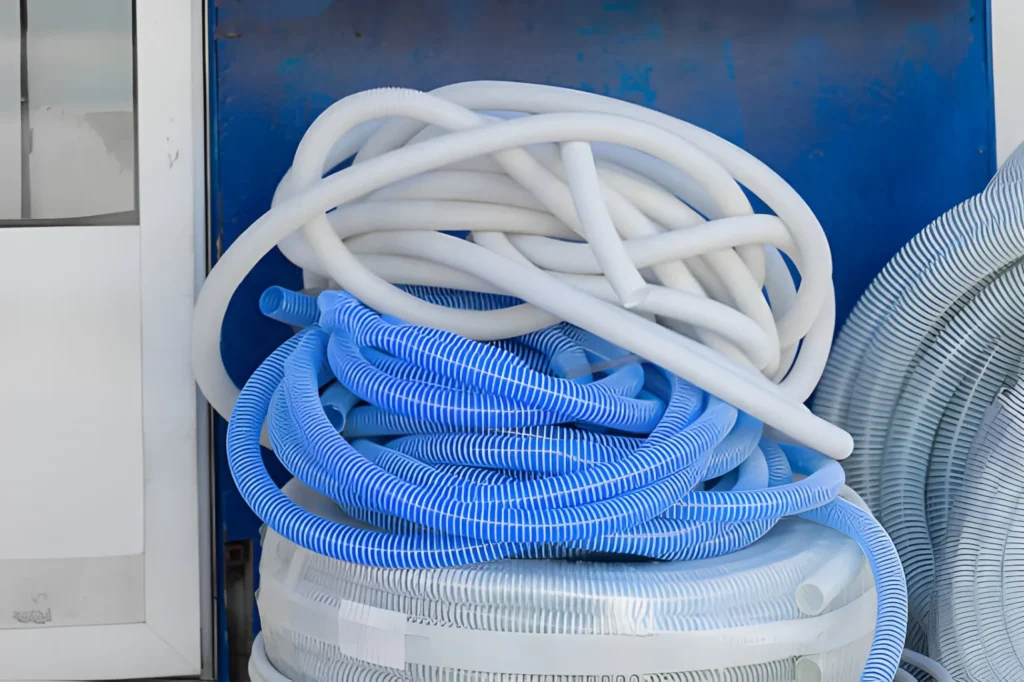
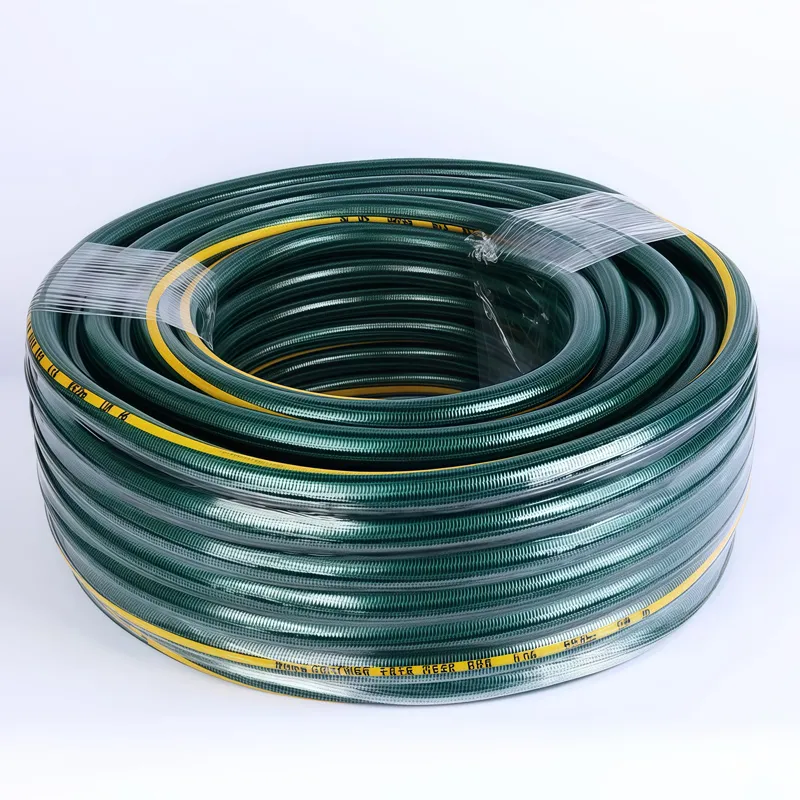
A pvc suction hose is a flexible, durable tubing system designed specifically to handle the demands of suction and discharge applications. Unlike regular hoses, these specialized conduits feature rigid construction combined with flexibility, allowing them to perform under challenging conditions. The core of a quality pvc suction hose is typically made from clear, flexible PVC material, reinforced with high-tensile strength polyester fabric or spiral reinforcement to prevent collapse during suction cycles.
Think of it this way: regular hoses are like thin plastic tubes—they work fine for simple applications. But a PVC suction hose is engineered like a workhorse. It’s built to maintain its shape even when pulling liquids through it, resisting the natural tendency to flatten or collapse. The rigid internal helix (the spiral reinforcement) acts like a skeleton, keeping the hose perfectly round and functional no matter what you’re pumping or where you’re pumping from.
This makes PVC suction hoses ideal for applications requiring consistent, reliable performance over extended periods. The material composition ensures excellent durability while remaining lightweight enough for practical handling. Most quality hoses can withstand temperatures ranging from -13°F to +140°F, making them suitable for diverse climates and seasonal variations.
Are you ready to discover why this versatile hose is becoming the go-to choice across multiple industries? Let’s explore further.
Key Applications and Industries
Agricultural Operations and Irrigation
Farmers and agricultural professionals rely heavily on PVC suction hoses for irrigation systems, liquid fertilizer transfer, and grain conveying applications. The flexibility and durability of these hoses make them perfect for wheel-shift irrigation systems and tractor-mounted applications.
Whether you’re moving water from a distant well to your fields or transferring liquid nutrients efficiently, a properly sized suction hose delivers consistent performance throughout the season. The clear tubing design allows operators to monitor fluid flow visually, ensuring that systems function optimally and detecting blockages or issues before they become problematic.
Agricultural operations benefit from the cost-effectiveness of PVC materials compared to alternative hose types, which means more budget available for other farm needs. If you’re managing large-scale irrigation, considering a high-quality suction hose investment could streamline your operations and reduce maintenance costs significantly.
Construction and Dewatering Projects
Construction sites frequently encounter water management challenges, particularly during excavation, foundation work, and site preparation. PVC suction hoses excel in these environments, handling mud, slurries, and aggregate materials with ease.
When heavy rain floods a construction site or groundwater interferes with ongoing work, construction teams turn to robust suction hoses connected to powerful pumps. The reinforced design prevents kinking or collapsing under pressure, ensuring continuous dewatering even in demanding conditions. Large-capacity pumps paired with appropriately sized hoses can move thousands of gallons per hour, keeping projects on schedule.
Construction managers appreciate the durability of PVC suction hoses because they withstand the rough-and-tumble environment of job sites, where equipment is often dragged, bent, and subjected to temperature extremes. For construction companies facing recurring flooding challenges or managing multiple dewatering projects, investing in quality suction hose inventory ensures you’re never caught without the right equipment when deadlines loom.
Industry
Primary Use
Key Benefit
Agriculture
Irrigation, fertilizer transfer
Flexibility, cost-effective
Construction
Dewatering, slurry handling
High capacity, durability
Marine
Bilge pumping, deck washing
Salt-water resistant
Mining
Water conveyance, material handling
Heavy-duty reinforcement
Marine and Maritime Applications
Boat owners, dock operators, and maritime professionals depend on suction hoses for bilge pumping, deck washing, and general marine operations. Salt water and harsh marine environments present unique challenges that standard hoses simply cannot handle. A specialized PVC suction hose designed for marine use resists corrosion and chemical degradation far better than inferior alternatives.
Whether you’re maintaining a commercial fishing vessel, managing a busy shipyard, or operating a pleasure boat, having reliable suction capabilities onboard provides peace of mind. Marine-grade materials ensure that your hose system remains functional through seasons of exposure to salt spray, UV rays, and constant moisture.
The investment in quality marine suction equipment often proves worthwhile, as emergency situations at sea demand equipment you can genuinely trust. Reach out to marine equipment suppliers to explore options tailored specifically for your vessel’s requirements and pumping needs.
Mining and Heavy Industrial Operations
Mining operations require moving large volumes of water and drilling materials efficiently and safely. Underground drilling rigs, heavy drainage pumps, and material handling equipment all depend on robust suction systems.
In mining environments where operations run 24/7 and equipment failure can be catastrophically expensive, the reliability of a quality PVC suction hose becomes non-negotiable. These hoses handle abrasive materials, extreme pressure, and continuous operation that would quickly destroy inferior products. Mining companies select heavy-duty suction hoses with high tensile strength reinforcement and pressure ratings exceeding standard applications.
The total cost of ownership for premium suction hoses proves economical when you consider reduced downtime and fewer replacement cycles compared to cheaper alternatives. If your mining operation relies on suction systems, evaluating the quality and specifications of your current equipment could reveal significant cost-saving opportunities through strategic upgrades.
Why Choose PVC Material for Your Suction Needs?
PVC (polyvinyl chloride) has earned its reputation as the material of choice for suction hoses across numerous industries. But what makes PVC so special compared to rubber, silicone, or other alternatives? The answer lies in several unique properties that combine to create an ideal material for demanding applications.
First, PVC offers exceptional chemical resistance. Whether you’re pumping water, agricultural chemicals, light oils, or industrial liquids, PVC resists degradation and maintains its structural integrity far longer than competing materials. This chemical compatibility means you can use the same hose across multiple applications without worry.
Additionally, PVC remains affordable compared to specialty rubber compounds or advanced polymers, making it accessible for businesses of all sizes. The material maintains flexibility even at relatively low temperatures, ensuring that your hose remains usable during winter months or in cold climates where other materials become brittle and unreliable.
Furthermore, PVC’s rigid nature when reinforced properly prevents the hose from collapsing during suction cycles—a critical advantage when working with high-capacity pumps or applications involving significant depth. The material also resists UV degradation better than many alternatives, meaning outdoor storage and extended sun exposure don’t prematurely age your equipment.
Perhaps most importantly for cost-conscious operations, PVC hoses typically require minimal maintenance beyond basic cleaning and storage in appropriate conditions. The clear material allows for easy visual inspection of interior cleanliness and fluid flow characteristics. When you combine affordability, durability, chemical resistance, and minimal maintenance requirements, PVC suction hoses represent an intelligent investment for organizations seeking reliable, long-lasting equipment.
Understanding Specifications and Sizing
Selecting the right PVC suction hose requires understanding several key specifications. The inner diameter (I.D.) determines flow capacity, with common sizes ranging from three-quarter inch to twelve inches or larger for specialized applications. Larger diameter hoses move more volume per unit time, but they also weigh more and require more storage space. Your pump’s capacity and your application’s flow requirements should dictate the appropriate size selection.
Pressure rating represents another critical specification. Most general-duty suction hoses operate at pressure ratings between 50 and 100 PSI, while heavy-duty versions may support significantly higher pressures. Understanding your system’s typical operating pressure ensures you select a hose with adequate safety margin. Working pressure should typically be only one-third to one-half of the hose’s burst pressure rating, providing a comfortable safety factor.
Temperature ranges matter significantly, particularly for outdoor applications or industries operating in extreme environments. Most PVC suction hoses function reliably between -13°F and +140°F, though specific product lines may extend these ranges. Identifying your minimum and maximum operating temperatures helps prevent premature failure or material brittleness. Length selection depends on your physical layout and pumping requirements.
Most suppliers offer hoses in standard lengths, though custom lengths are often available for specialized applications. Don’t overlook coupling types either—standard threading, threaded with swivel handles, and quick-connect options each serve different purposes depending on your setup. To ensure you order the perfect solution for your unique requirements, contact our technical specialists who can assess your specific application and recommend appropriately sized suction hose configurations.
Comparison of Different Hose Types for Various Applications
Hose Type
Best For
Advantages
Disadvantages
Standard PVC Suction
Water, agricultural fluids
Cost-effective, versatile
Limited pressure ratings
Reinforced PVC Suction
Heavy-duty construction, mining
High pressure support, durability
Heavier, more expensive
Clear PVC Suction
Monitoring flow, food-grade applications
Visual inspection possible
May be pricier than opaque
Trash/Solids Suction
Abrasive materials, debris
Enhanced wear resistance
Specialized, limited application
Installation and Maintenance Best Practices
Proper installation of your PVC suction hose ensures optimal performance and longevity. Begin by verifying that all couplings fit snugly without forcing or cross-threading, which can damage both the hose and connection points. Position the hose away from sharp edges and extreme heat sources that might compromise the material over time. When establishing suction lines, minimize bend radius—manufacturers typically recommend bending hoses only to the extent that the minimum specified radius is maintained. Excessive bending reduces hose life and can impair flow characteristics.
Support longer horizontal runs with appropriate clamps or hangers, preventing stress concentration at connection points. Ensure that priming procedures are followed correctly for initial system startup, as improper priming can introduce air leaks and reduce pumping efficiency. During operation, monitor pressure gauges to detect any anomalies that might indicate developing problems. Regular visual inspections catch deterioration early, potentially preventing system failures when you need the equipment most.
Maintenance remains refreshingly simple for PVC suction hoses. After each use, flush the system with clean water to remove sediment or chemical residue. Store hoses indoors or under protective covering to minimize UV exposure and weathering. Drain hoses completely before extended storage in cold climates to prevent ice formation that might crack the material.
Inspect connection points periodically for leaks or loosening, tightening as needed. Most quality PVC suction hoses require no internal treatment or protective compounds—basic cleanliness and appropriate storage conditions suffice to maintain performance for years. If your operation runs continuously or seasonally, establishing a regular maintenance schedule prevents unexpected downtime and extends equipment lifespan substantially. Don’t hesitate to consult manufacturer guidance for your specific hose model, as specialized applications may benefit from additional care protocols.
Selecting the Right Supplier and Product Quality
Quality varies significantly among PVC suction hose suppliers, making careful vendor selection crucial. Reputable manufacturers provide detailed specifications including pressure ratings, temperature ranges, material composition, and safety factors. Verify that products comply with relevant industry standards and that the supplier can provide documentation supporting these claims. Reading customer reviews and seeking recommendations from others in your industry provides valuable insights into real-world performance.
When comparing products, avoid selecting solely based on price. The lowest-cost option frequently represents false economy—such hoses may fail prematurely, requiring replacement and generating unexpected downtime costs. Established manufacturers typically offer warranty coverage and customer support that justify slightly higher initial investment. Ask suppliers about lead times for replacement hoses, especially if your operations depend on continuous equipment availability. Some vendors maintain stock of common sizes, while others require extended lead times for specialized configurations.
Building relationships with reliable suppliers ensures you can obtain replacement hoses quickly when needed and receive expert guidance for future requirements. Most quality suppliers are happy to answer technical questions and provide recommendations based on your specific applications. Consider discussing bulk purchasing options if your organization uses hoses regularly—volume discounts often apply, reducing per-unit costs while ensuring you maintain adequate inventory. If you’re unsure which supplier or product best matches your needs, our expert team stands ready to provide personalized recommendations and facilitate your purchase through trusted channels.
Investing in Quality for Long-Term Savings
The decision to invest in quality PVC suction hose systems pays dividends across multiple operational metrics. Reduced downtime, fewer replacement cycles, improved reliability during critical operations, and decreased maintenance requirements combine to deliver superior total cost of ownership. Organizations that prioritize equipment quality often discover that premium products save money through years of dependable service.
Evaluating your current suction hose inventory and considering upgrades might reveal significant opportunities to improve operational efficiency. Modern PVC suction hoses incorporate manufacturing advances and material improvements that deliver enhanced performance compared to older hoses still in service. Taking a strategic approach to equipment selection—balancing initial cost against expected lifespan and performance requirements—ensures your operation remains competitive and reliable.
Whether managing agricultural operations, construction projects, industrial facilities, or marine applications, the right PVC suction hose represents a practical investment in success. Contact our specialist team today to discuss your specific requirements and discover how quality suction hose solutions can enhance your operations.
Frequently Asked Questions About PVC Suction Hoses
What distinguishes a PVC suction hose from a regular discharge hose?
Suction hoses feature rigid reinforcement preventing collapse when pulling liquids, while standard discharge hoses rely on outward pressure from pumped fluids to maintain shape. This fundamental difference makes suction hoses essential when drawing from wells, tanks, or other sources where the pump must pull material upward against gravity and atmospheric pressure. Using inappropriate hose types can result in collapsed lines, reduced flow, or system failure.
How deep can a PVC suction hose draw water?
Standard atmospheric pressure supports water columns approximately 34 feet high in theory, though practical limits typically range between 20 and 25 feet due to friction losses and real-world conditions. For applications requiring greater lift capacity, using larger diameter hoses (reducing friction) or specialized high-vacuum suction equipment proves necessary. Understanding your vertical lift requirements helps determine the appropriate hose specification and pump pairing.
Can PVC suction hoses handle hot liquids?
Most standard PVC suction hoses maintain functionality up to approximately 140°F (60°C), though performance degrades and material becomes less rigid at extreme temperatures. For applications requiring handling of hotter liquids, consult manufacturer specifications carefully or explore specialized hose materials designed for high-temperature service. Temperature rating specifications reflect sustained operating temperature, not brief exposure to higher temperatures.
How long do PVC suction hoses typically last?
With proper maintenance and appropriate application, quality PVC suction hoses often provide 5 to 10 years of reliable service. Factors affecting longevity include UV exposure, temperature extremes, storage conditions, operating pressure, and maintenance frequency. Hoses stored indoors and properly maintained typically outlast those exposed to harsh environmental conditions. Regular inspection catches deterioration early, allowing planned replacement before catastrophic failure occurs.
What’s the difference between clear and opaque PVC suction hoses?
Clear versions allow visual monitoring of fluid flow and sediment accumulation, useful for quality control and troubleshooting. Opaque hoses typically offer equivalent performance at lower cost and may provide slightly better UV resistance. Choose based on whether visual inspection provides operational benefit for your specific application.
Have you ever found yourself struggling to connect your garden hose to PVC pipes? You’re not alone. Many homeowners and DIY enthusiasts face this common challenge when setting up irrigation systems, water pumps, or outdoor projects. The good news? A PVC to water hose adapter is your game-changer, and it’s far simpler than you might […]
In modern agriculture and horticultural irrigation systems, the “water pipe material” is a critical factor that directly influences “irrigation efficiency” and “water-saving performance.” Selecting the right water pipe material not only ensures stable water flow, reduces leak risks and maintenance costs but also significantly extends the lifespan of the irrigation system. This article provides a […]
Ensuring a clean garden hose is essential for effective garden upkeep. Proper maintenance enhances operational efficiency, reduces downtime, and minimizes costs associated with plant irrigation. This guide outlines procedures for cleaning a water hose and addresses prevalent issues in its operation. Types of Water Hose Before delving into maintenance protocols, identification of the hose type […]
We use cookies to enhance your browsing experience, serve personalised ads or content, and analyse our traffic. By clicking "Accept All", you consent to our use of cookies.