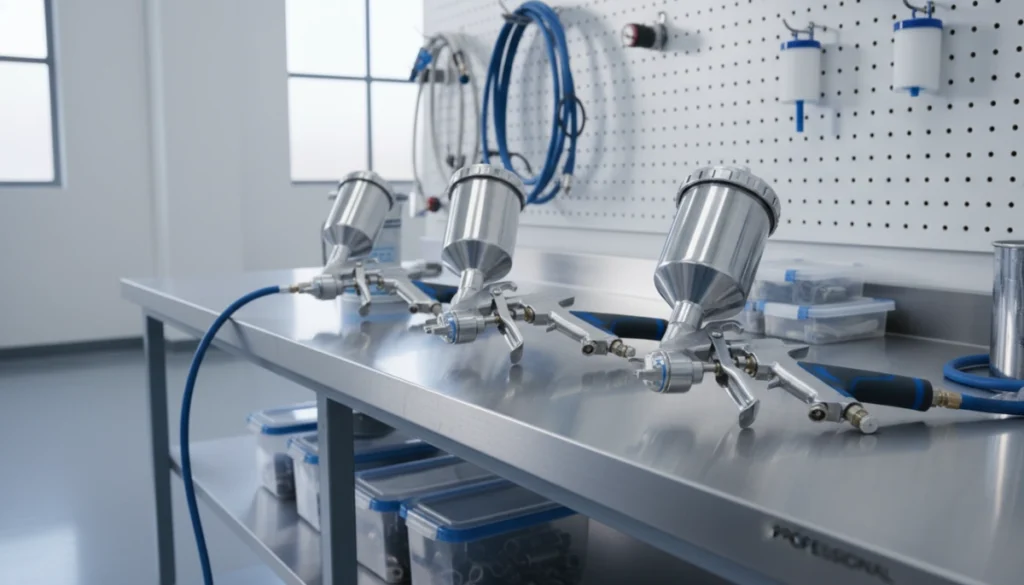
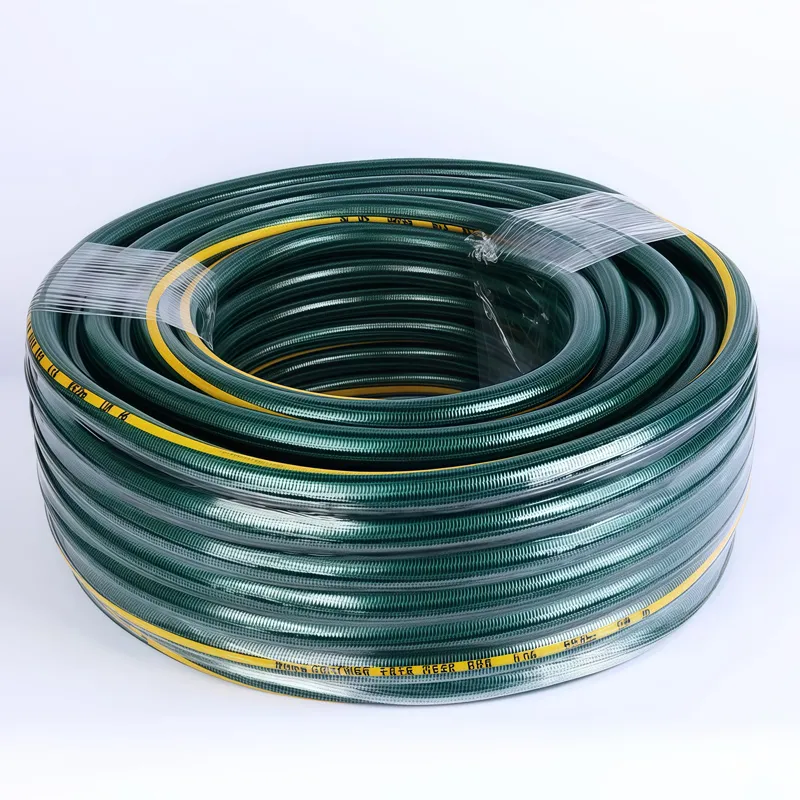
Ever wonder why some hose attachments last a decade while others crack after one season? It all comes down to what’s under the hood. As an OEM spray gun manufacturer, we know that a reliable tool is more than just a trigger and a nozzle; it is a carefully engineered system designed for industrial-grade durability. When we design Spray Guns at our factory, we aren’t just assembling parts—we are building solutions for landscaping professionals and serious gardeners who demand performance.
Material Matters: Plastic vs. Zinc Alloy Construction
The chassis is the first line of defense against wear and tear. While lightweight plastic models have their place for casual use, heavy-duty metal body designs are the gold standard for longevity.
Standard Plastic: prone to UV damage and cracking under high pressure.
Zinc Alloy Construction: We utilize upgraded materials like zinc alloy in our premium lines because it offers superior impact resistance. If you drop it on the driveway, it survives.
TPR Coatings: To ensure the tool is comfortable to hold, we often overlay the metal core with Thermoplastic Rubber (TPR). This provides that essential anti-fatigue design grip while protecting the metal from corrosion.
Internal Mechanisms: Plungers and Springs
The difference between a smooth operation and a stiff, hand-cramping trigger lies in the internal mechanics. Inside the handle, a precision-engineered plunger system regulates water flow. We use high-tension, corrosion-resistant springs that ensure the trigger snaps back instantly when released. This “smarter mechanism” design prevents the valve from sticking open, giving you precise control whether you are washing a car or misting delicate orchids.
Engineering Leak-Proof Connections (ISO Standards)
Nothing ruins a watering task faster than water running down your arm. A leak-proof connection isn’t an accident; it’s a result of strict manufacturing tolerances.
Our production process aligns with ISO9001 certified quality management systems to ensure every connector fits perfectly.
Precision Molding: Threads must be exact to prevent cross-threading.
High-Quality Seals: We use durable O-rings that resist drying out, ensuring a watertight seal even under fluctuating temperatures.
Universal Fit: Our designs often incorporate universal quick connector fittings, allowing seamless integration with various hose types (PVC, TPE, Rubber NBR) without the drip.
Categorizing by Application: Which Spray Gun Do You Need?
Selecting the right watering tool isn’t just about grabbing the first nozzle you see; it’s about matching the tool to the task. As a manufacturer, we engineer our Spray Guns into two distinct categories to ensure optimal performance, whether you are nurturing a flowerbed or detailing a vehicle.
The Garden Guardian: Irrigation and Gentle Watering
For landscaping professionals and home gardeners, the priority is precision and gentleness. Garden Spray Guns are designed to deliver water without damaging delicate petals or eroding soil. These tools often feature ergonomic designs to reduce hand strain during long watering sessions. To get the most out of these sprayers, we recommend pairing them with a lightweight, flexible Sea blue PVC garden hose, which allows for easy maneuvering around obstacles without kinking or dropping pressure.
The Car Wash Commander: High-Pressure Cleaning
When it comes to automotive care, you need power. Our Car Wash Spray Guns function as a High-pressure hose nozzle, concentrating water flow to blast away caked-on mud, road salt, and grime. These units are built with industrial-grade durability to withstand higher PSI levels.
Foam Cannon Compatibility: Many of our models support a Car wash sprayer attachment for chemical mixing. This allows you to attach an Automotive foam cannon, coating the vehicle in thick suds to lift dirt safely before scrubbing.
Adjustable Spray Patterns for Versatility
To maximize utility, we integrate Adjustable spray patterns into the head of the gun. A simple rotation of the dial allows users to switch modes instantly:
Mist: Ultra-fine spray for seedlings and humidity-loving plants.
Jet: A concentrated stream for cleaning concrete and tires.
Shower: A full-flow setting for soaking lawns and filling buckets.
Flat: A horizontal spray ideal for rinsing off soap suds.
Key Features of High-End Spray Guns
When we engineer Spray Guns for the global market, the difference between a disposable tool and a professional instrument lies in the details. High-end models prioritize user comfort and mechanical precision, utilizing upgraded materials to meet industrial-grade standards. We focus on creating tools that make watering simple, efficient, and reliable for both landscaping professionals and home gardeners.
Ergonomics and Anti-Fatigue TPR Grips
Comfort is non-negotiable for professional use. We implement an anti-fatigue design using soft-touch materials, often incorporating TPR (Thermoplastic Rubber) over-molds. This ensures a slip-resistant hold even when wet. Unlike rigid plastic handles that cause hand strain, an ergonomic trigger grip conforms to the natural curve of the hand, allowing for extended operation without cramping.
Thumb-Control Flow Valves vs. Rear Triggers
Modern irrigation demands precise water management. We offer different actuation styles to suit specific user preferences.
Feature
Thumb-Control Flow Valve
Rear Trigger Mechanism
Operation
Push lever with thumb to adjust flow
Squeeze grip with fingers to activate
Advantage
Constant flow without holding tension
Intuitive “point and shoot” feel
Best For
Long watering sessions & precision flow
Car washing & quick bursts
Fatigue
Lowest (Set and forget)
Low to Medium (Depends on spring tension)
Universal Quick Connector Fittings
A premium spray gun is only as effective as its connection to the water source. We design our tools with universal quick connector fittings to ensure seamless integration with our broader ecosystem. Whether you are attaching the gun to a standard garden line or a specialized high-pressure fluid hose, the fit must be secure. This compatibility allows users to switch between tools rapidly without threading and unthreading connections.
Solving the Drip at the Handle Issue
The most common failure point in cheap sprayers is the “handle drip.” To solve this, we utilize smarter internal mechanisms and high-quality O-rings that create a leak-proof connection. By adhering to strict quality assurance protocols and ISO9001 standards, we ensure that the internal seals can withstand pressure fluctuations and temperature changes. This engineering prevents water waste and keeps the user dry, maintaining consistent performance season after season.
Durability Tests: What Makes a Heavy-Duty Tool?
At our manufacturing facility, we believe that Industrial-grade durability isn’t just a marketing claim—it is a measurable standard. We don’t just assemble Spray Guns; we put them through rigorous stress tests to ensure they survive the harsh reality of professional landscaping and daily car washing. As an OEM spray gun manufacturer, we know that reliability is what keeps your customers coming back.
Impact Resistance: Metal vs. Plastic Bodies
The most common failure point for any watering tool is the accidental drop on concrete. We test our units to withstand these impacts.
Plastic: We utilize high-impact ABS and TPR materials that resist shattering.
Metal: For maximum longevity, a Heavy-duty metal body featuring Zinc alloy construction provides the best protection. These units can take a beating on the job site without cracking or deforming.
Weather Resistance and UV Protection
Tools are often left outdoors, exposed to the elements. Cheap plastics become brittle and fade under the sun. We use upgraded materials designed with UV stabilizers to prevent the handle from chalking or cracking after a summer of exposure. Whether it is scorching heat or freezing cold, the materials must maintain their structural integrity.
Cycle Testing for Trigger Longevity
The trigger mechanism is the heart of the tool. To ensure consistent performance, we perform cycle testing on the internal springs and plungers.
The Test: We mechanically engage the trigger thousands of times to simulate years of usage.
The Goal: To ensure the Anti-fatigue design remains smooth and the return spring never loses its tension.
Industrial-Grade Durability Standards
Our production adheres to strict quality controls, including ISO9001 standards. Every batch undergoes pressure testing to guarantee leak-proof performance before shipment. If you are looking for a partner to manufacture tools that meet these rigorous specifications, contact us to discuss your custom requirements. We focus on building tools that work as hard as you do.
Maintenance Tips for Spray Gun Longevity
Even the most robust industrial-grade durability standards require proper care to ensure your tools last season after season. As a manufacturer, we build our spray guns to withstand heavy use, but a few simple maintenance habits can prevent premature wear and ensure your equipment remains a reliable partner for both gardening and car washing.
Winterizing to Prevent Freezing and Cracking
The biggest enemy of any watering tool is freezing temperatures. When water is left inside the internal chambers of a high-pressure hose nozzle, it expands as it freezes. This pressure can easily crack internal plastic components or split the zinc alloy construction of the body.
Drain Completely: Always disconnect the spray gun from the hose and depress the trigger to release trapped water.
Indoor Storage: Store your equipment in a garage or shed where temperatures remain above freezing.
Check Before Spring: Inspect the body for hairline fractures before the first use of the season.
Seal Care and O-Ring Replacement
A leak-proof connection relies heavily on the condition of the rubber O-rings and washers. Over time, UV exposure and friction can cause these seals to dry out, flatten, or crack, leading to the dreaded drip at the handle.
Inspect Regularly: Check the rubber washer inside the quick connector fitting or threaded base.
Lubricate: A small amount of silicone grease keeps the O-rings pliable and creates a better seal.
Replace When Needed: If you notice water spraying sideways from the connection, swap out the washer immediately. For more insights on keeping your entire watering system in top shape, review our clean garden hose maintenance guide.
Cleaning Nozzles for Consistent Spray Patterns
Mineral buildup and dirt can clog the fine exit holes of a nozzle, disrupting the adjustable spray patterns. Whether you are using a household car washing water gun or a garden wand, a blocked nozzle reduces pressure and creates uneven coverage.
Debris Removal: Use a small pin or needle to gently dislodge dirt from the nozzle holes.
Backflushing: Run water backward through the nozzle (if the design permits) to push out trapped particles.
Filter Check: If your spray gun has a mesh filter at the inlet, clean it regularly to protect the internal plungers and springs.
Removing Mineral Deposits
Hard water often leaves behind calcium and lime deposits that can seize up a flow control thumb valve or make the trigger stick.
Vinegar Soak: Submerge the nozzle head in a mixture of white vinegar and water for 30 minutes to dissolve mineral crusts.
Gentle Scrub: Use an old toothbrush to clean the face of the spray gun.
Rinse Thoroughly: Flush with fresh water to remove any acidic residue before storing.
Frequently Asked Questions About Water Spray Guns
Why is my spray gun leaking at the handle?
Leaks at the handle are almost always caused by a worn-out rubber washer or an improper seal at the quick connector fitting. Over time, the O-rings inside the connection point can degrade from UV exposure or constant friction. To ensure a leak-proof connection, replace the internal washer and ensure your hose attachment clicks firmly into place before turning on the water.
Can I use a high-pressure spray gun for delicate flowers?
Yes, provided the tool features adjustable spray patterns. While a high-pressure hose nozzle is ideal for washing cars, blasting delicate blooms with full force will damage them. You should switch to a “Mist” or “Shower” setting for safe irrigation. For specific gardening needs, understanding the distinction between a standard garden spray gun vs. water wand can help you select the best tool for reaching hanging baskets without crushing the plants.
What is the main difference between cheap plastic and metal spray guns?
The primary difference is industrial-grade durability versus weight. A heavy-duty metal body, typically featuring zinc alloy construction, can withstand drops and higher water pressure PSI better than basic plastic. However, high-quality reinforced plastic models are significantly lighter, providing an anti-fatigue design that is easier on the wrist during long watering sessions. We manufacture our water spray gun lineup with both upgraded ABS materials and metal components to balance longevity with comfort.
How do I fix a stuck trigger on my hose nozzle?
A stuck trigger usually results from mineral deposits (limescale) or dirt trapped inside the mechanism.
Soak: Submerge the nozzle in white vinegar for 30 minutes to dissolve mineral buildup.
Lubricate: Apply a silicone-based lubricant to the spring mechanism behind the ergonomic trigger grip.
Clean: Check the inlet filter for debris that might be jamming the flow control.
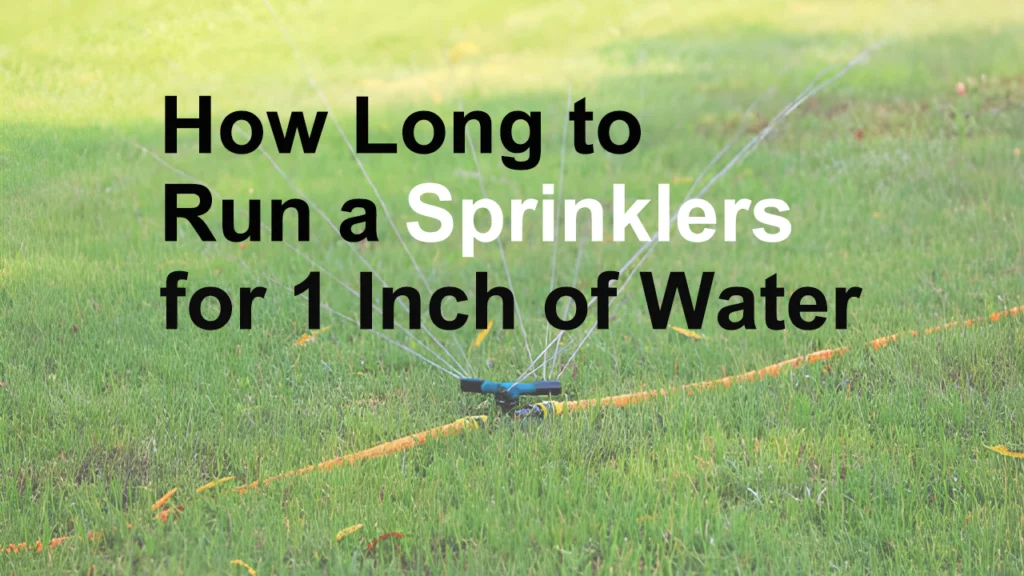
Watering is a key part of lawn care. When done correctly, it promotes deep roots, helps prevent disease, and keeps grass lush. So, how long should watering last? Here’s a clear guide to help you establish the right routine for your lawn. Finding the Right Balance in Lawn Watering Watering your lawn properly supports its […]
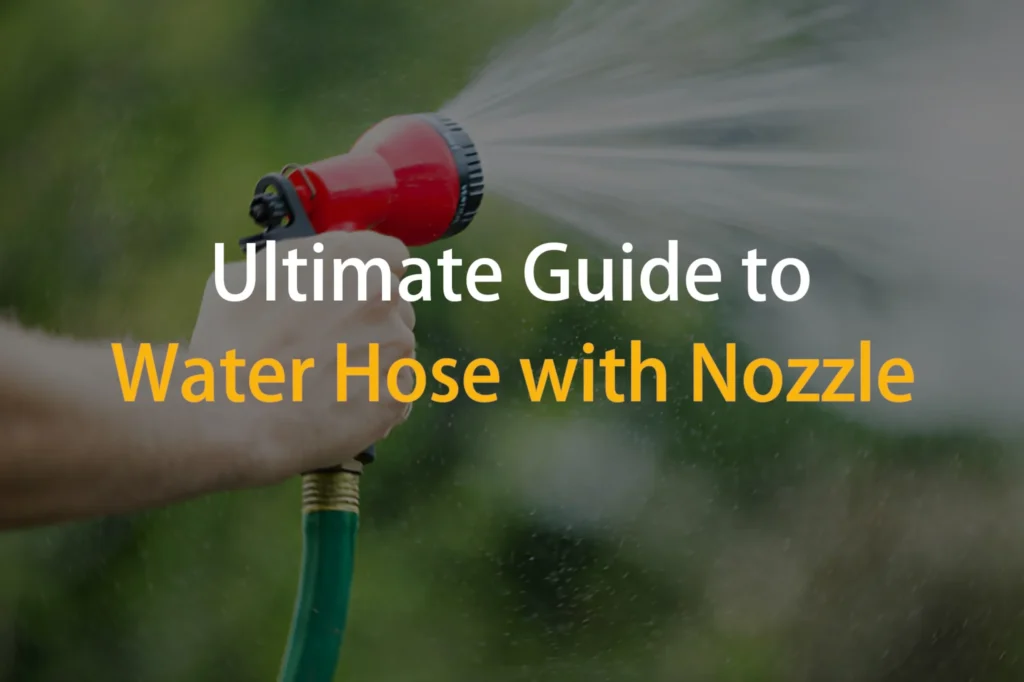
Why Choose a Water Hose with Nozzle? A water hose with nozzle gives precise control, saving water and making tasks more efficient. It allows you to easily switch between spray patterns like mist, shower, and jet for different jobs. Main advantages include: Built-in nozzles transform a simple hose into a multi-purpose tool that handles anything […]
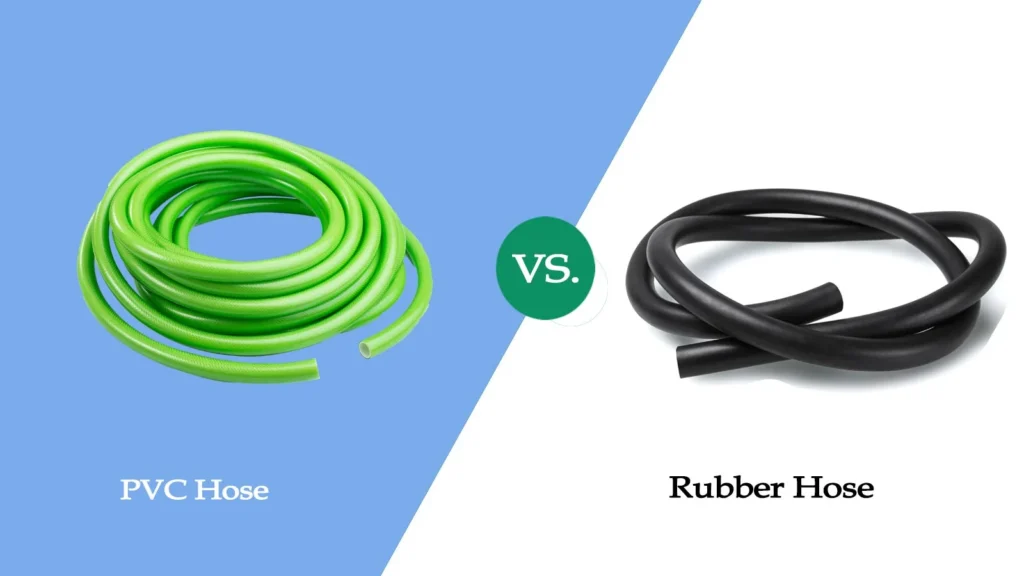
Hoses function as specialized conduits for conveying fluids between locations. They consist of diverse materials, with PVC Hose and Rubber Hose being the predominant choices. Despite apparent similarities in function, PVC and Rubber Hose differ significantly in performance characteristics. This prompts a key consideration: PVC Hose vs Rubber Hose – which provides greater reliability? Understanding […]
We use cookies to enhance your browsing experience, serve personalised ads or content, and analyse our traffic. By clicking "Accept All", you consent to our use of cookies.